Quick Buzz Feed

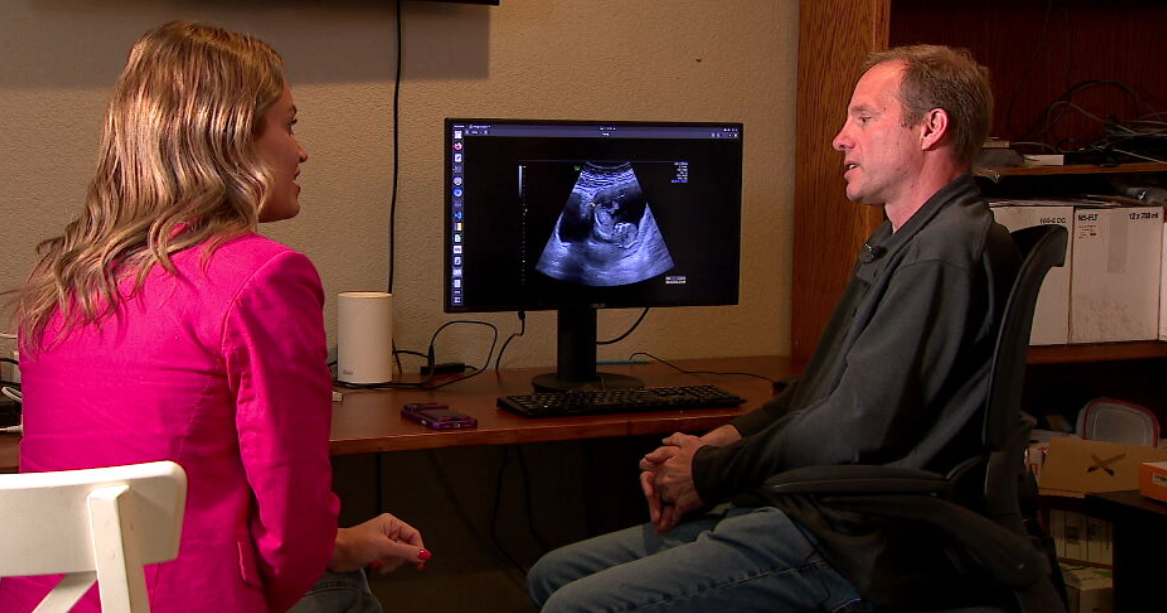
The technology the Colorado father developed, called Delivery Date AI, analyzes standard ultrasound images to estimate when a baby is likely to arrive, rather than relying solely on a traditional due date based on a 40‑week pregnancy.
Robert Bunn, a Colorado father, founded Ultrasound AI from his basement, driven by a deeply personal loss. His company aims to revolutionize pregnancy care by using artificial intelligence to accurately predict birth dates and identify pregnancies at high risk of premature delivery. Doctors foresee this technology fundamentally changing their clinical practice.
The developed technology, "Delivery Date AI," processes standard ultrasound images to provide a more precise estimate of a baby's arrival date, moving beyond the traditional 40-week due date. This innovative approach is designed to detect potential complications much earlier, offering healthcare providers a vital lead time – weeks or even months – to intervene and potentially alter the outcome of a pregnancy, preventing unexpected premature births.
Premature birth poses a significant global health challenge, with profound implications for newborns and their families. In Colorado, for instance, one in ten babies is born prematurely each year, according to data from the March of Dimes. Babies born too early are at a considerably higher risk of developing severe medical complications due to their underdeveloped organs. Alarmingly, preterm birth stands as a leading cause of newborn mortality across the United States, as highlighted by the National Institutes of Health. This widespread and serious issue underscores the urgent need for advanced diagnostic and predictive tools like Delivery Date AI.
The efficacy of Delivery Date AI is rooted in its extensive training. The system was fed millions of anonymous ultrasound images, sourced from the University of Kentucky, each paired with comprehensive data regarding the duration of the respective pregnancies. Through this vast dataset, the artificial intelligence was able to discern intricate patterns and correlations that signify pregnancy length. Importantly, this training allowed the AI to pinpoint abnormalities in a mother's uterus and ovaries that had previously eluded detection by human medical professionals. This capability enables earlier identification of at-risk pregnancies, ensuring timely and appropriate care.
After years of rigorous development, testing, and refinement, Delivery Date AI has achieved a striking level of precision in its predictions. The technology can now estimate a baby's actual delivery date with a margin of error of approximately eight days. This level of accuracy is considered groundbreaking and represents a significant improvement over traditional due date estimations, which often have a wider range of uncertainty. Such precise predictions can be instrumental in guiding medical decisions and patient preparedness.
Robert Bunn's dedication to developing this groundbreaking technology stems from a deeply personal and painful experience. During their journey to start a family, his wife, Nicole, endured multiple miscarriages, including two consecutive losses. These traumatic events left an indelible mark on Nicole, replacing her former calmness with constant stress and anxiety throughout subsequent pregnancies. This profound personal fear and the uncertainty surrounding their losses became the powerful catalyst and driving force behind Robert's unwavering commitment to his work, transforming personal tragedy into a mission of hope.
Delivery Date AI is already making a tangible impact, with its adoption in parts of South America. More recently, the technology achieved a significant milestone by receiving approval from the U.S. Food and Drug Administration (FDA), permitting its use by medical practitioners across the United States. Robert Bunn emphasizes that the AI tool is designed not to replace doctors but to augment their capabilities, making them more efficient and enhancing patient outcomes. It holds particular promise for rural areas or "medical deserts," where access to specialized obstetric care is limited, ensuring timely care for pregnant patients.
For Robert and Nicole, the ongoing development and deployment of Ultrasound AI's technology transcends mere innovation; it imbues their past heart-wrenching losses with profound meaning. Now proud parents to five healthy children, they feel a sense of relief knowing their pain might prevent others from similar suffering. Robert reflects that their past struggles were "necessary to make you try to change the future," highlighting how personal adversity can inspire innovative solutions for widespread benefit.