Quick Buzz Feed

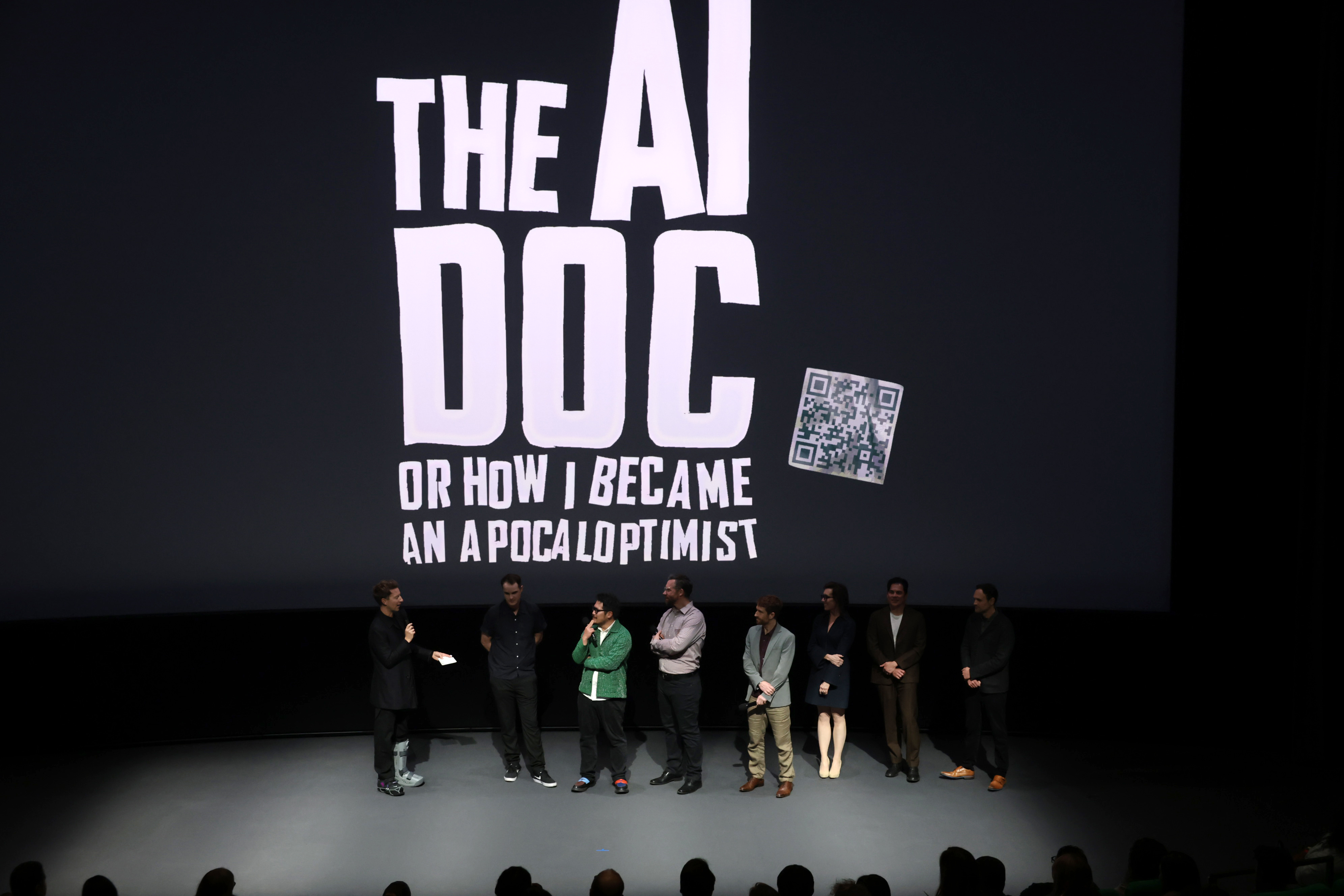
The film attempts to zoom out from the daily headlines to give audiences a glimpse of what is at stake for humanity as AI rapidly evolves.
The ambitious goal of creating a 'definitive' AI documentary faced immense challenges due to the rapid evolution of artificial intelligence. According to producer Diane Becker, the film was constantly becoming outdated from the moment production began, describing it as the most challenging movie she had ever made. Despite these difficulties, the urgency of the subject matter motivated the filmmakers. They aimed for the documentary, "The AI Doc: Or How I Became an Apocaloptimist," to serve as a nonpartisan call to action, highlighting the significant stakes for humanity as AI continues its swift development. Tristan Harris, co-founder of the Center for Humane Technology, emphasized that the film's core message is about preventing an 'antihuman future' and fostering collective clarity on the direction humanity is heading with AI. He hopes the documentary will be a pivotal work for AI, similar to how "An Inconvenient Truth" addressed climate change or "The Social Dilemma" covered social media.
The documentary features a diverse array of voices, including prominent figures such as OpenAI's Sam Altman, Anthropic's Daniela and Dario Amodei, and Google DeepMind's Demis Hassabis. In total, over 40 individuals with varied perspectives and expertise were interviewed, generating approximately 3,300 pages of transcripts. Securing these interviews was a lengthy process; initially, producer Ted Tremper received only six responses out of 80 emails to industry leaders. However, through persistent effort, building trust, and numerous off-the-record conversations, these initial contacts paved the way to engage top CEOs. Tremper likened the process to John Nash's intensive research methods. Diane Becker further noted the irony, stating, "It turns out, it takes a lot of humans to talk about AI." The visual style of the film deliberately adopted an anti-digital approach, incorporating handmade elements like director Daniel Roher's notebook drawings and stop-motion animation to convey its message cinematically.
The film deliberately avoids taking an extreme stance on whether artificial intelligence is inherently good or bad, instead embracing a nuanced perspective encapsulated by the term 'apocaloptimist.' This newly coined term, though not yet officially recognized, is central to director Daniel Roher's view. He clarifies that he is neither a pure optimist nor believes in an inevitable apocalypse, but rather sees the situation as a simultaneous blend of both. The documentary presents a spectrum of predictions, from grim scenarios involving generative AI blackmail, doomsday wars, and mass unemployment, to idealistic visions of a utopian future with medical breakthroughs, enhanced creativity, and greater freedom. It also points out critical regulatory gaps, noting that there's more oversight for making a sandwich in New York than for the development of AI. Roher finds solace in the belief that humanity still possesses the agency to guide AI development toward positive outcomes and away from destructive ones. He stresses the importance of thoughtfully navigating this 'narrow path' to ensure a favorable future.
The filmmakers designed the documentary with the assumption that audiences would have "zero knowledge of the subject matter." Ted Tremper shared an anecdote about his 78-year-old father, who had never owned a laptop, watching and fully understanding the film, which reinforces their goal of accessibility. The producers strongly encourage audiences to experience the film in a communal setting, whether in a theater or with a group, believing that the shared experience enhances its impact. Diane Becker highlighted its entertaining and cinematic qualities, emphasizing that it's more than just a series of interviews and that it evokes an emotional response, naturally leading to conversations after the viewing. Tristan Harris, despite having no financial stake in the film's commercial success, passionately hopes that 99% of people on Earth will grasp the fundamental implications of AI. He views the film as a crucial 'catalyst' for a global movement, emphasizing that AI poses an immediate risk to everyone's well-being, jobs, and livelihoods in the "next single-digit number of years," making it a universal issue that demands collective action.