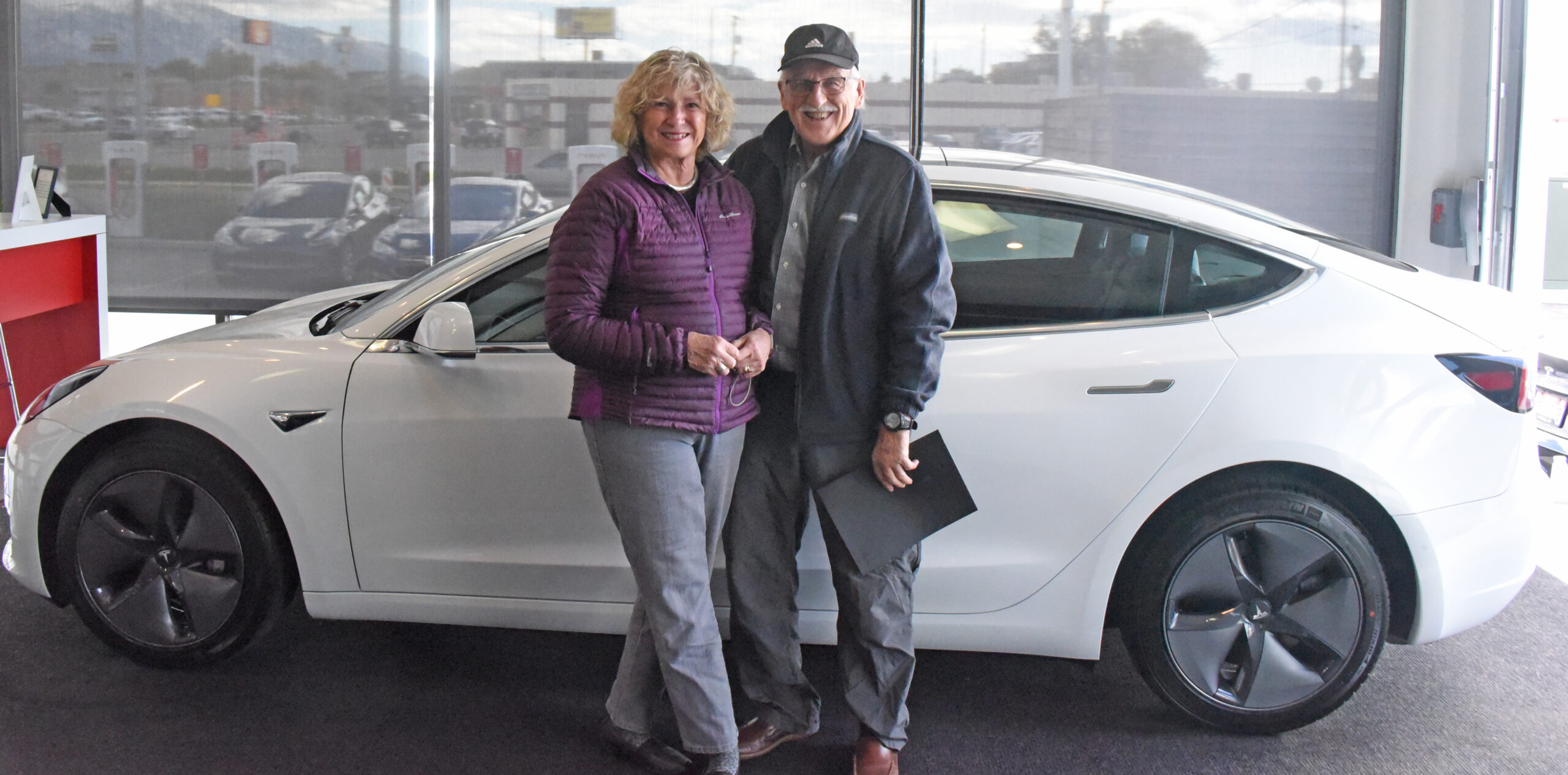
The article critically examines the reliability of Artificial Intelligence, particularly through the author's extensive experience with Tesla's Full Self-Driving (FSD) system in his Model 3 over 169,000 miles. It details the evolution of FSD from basic highway navigation to advanced city driving capabilities, noting both significant improvements and persistent imperfections. The author also uses a visual experiment with ChatGPT's image colorization to illustrate how AI can produce visually spectacular but fundamentally 'incorrect' results, questioning whether AI, as currently developed, is truly 'Artificial Intelligence' or 'Always Incorrect' when precision and nuanced understanding are crucial for real-world applications like autonomous vehicles.
Visual Example on How Artificial Intelligence works and how it sometimes fails.
The author provides a practical demonstration of AI's capabilities and limitations by using ChatGPT to colorize an old black and white water skiing photograph. While the AI-generated color image is visually stunning, offering vivid colors and replacing low-resolution newsprint artifacts, it introduces several significant inaccuracies upon closer inspection. These errors include misrepresenting water ski handles with 'totally weird' replacements, inventing water skis without the necessary bindings, altering a skier's arm position, and critically, replacing the skiers' faces making them unrecognizable. This example highlights that even advanced AI can be 'often incorrect' despite impressive visual results, reinforcing the author's argument that AI systems need to be significantly more perfect than human performance, especially for critical applications like autonomous driving. The comparison suggests that while AI can be trained to understand specific objects (like ski handles), maintaining nuanced details such as accurate facial characteristics remains a considerable challenge.