Quick Buzz Feed

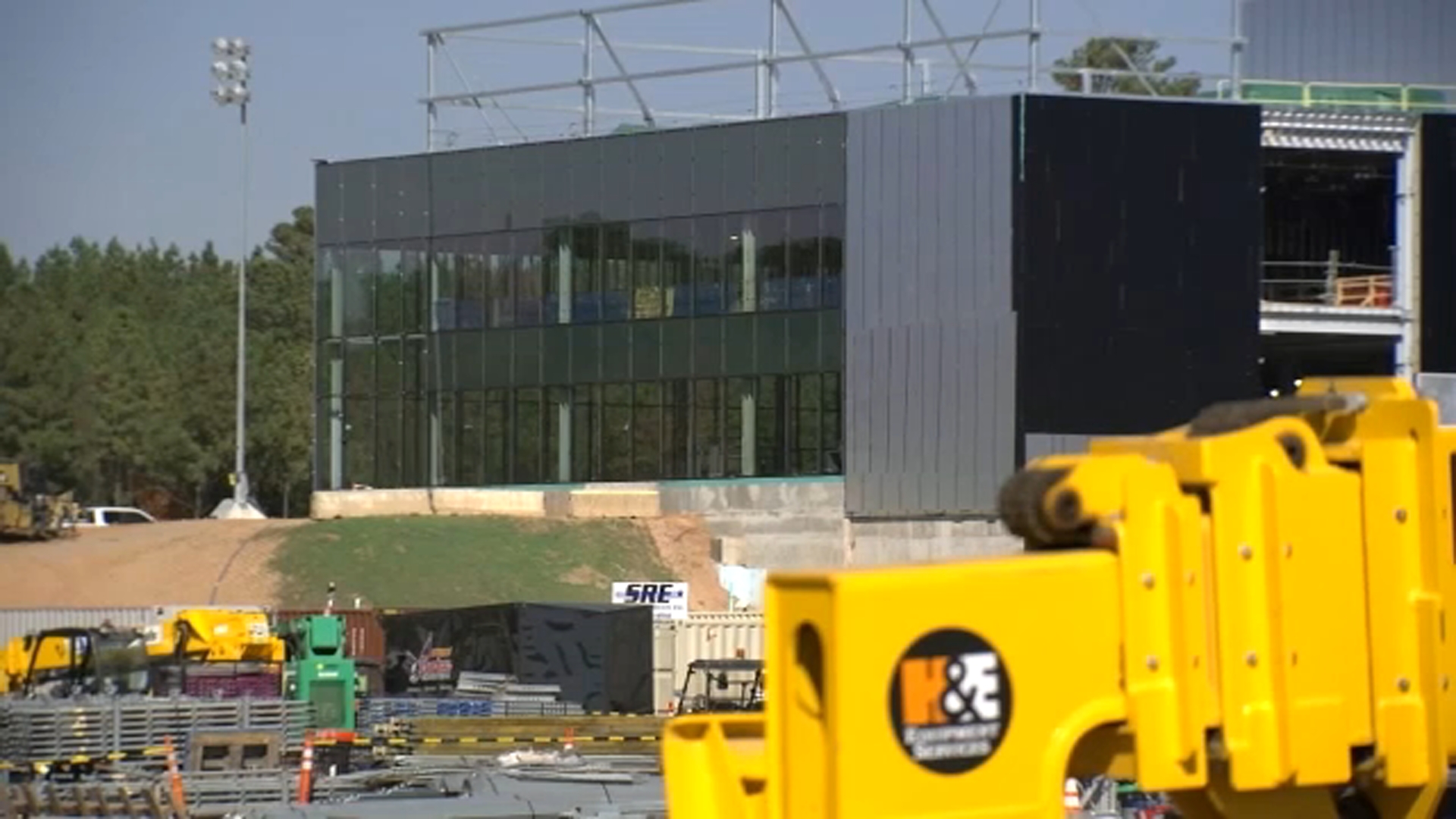
Demand is especially strong for workers involved in data center construction, where contractors report larger project backlogs.
The increasing integration of artificial intelligence into both educational institutions and professional environments is profoundly influencing career aspirations and the foundational requirements of the modern workforce. This societal shift is prompting educators, students, and employers to carefully analyze and adapt to the emerging trends in job markets, requiring a strategic re-evaluation of traditional career paths and skill development in response to AI's growing prevalence and capabilities.
Recent academic research, such as the Lumina Foundation-Gallup 2026 State of Higher Education Study, reveals a significant behavioral change among college students due to AI concerns. Approximately 13% of bachelor's degree students are seriously considering altering their major, with another 29% contemplating such changes to a fair extent. Crucially, 16% of enrolled students have already proactively switched their fields of study, driven by apprehension about how AI will reshape future employment prospects and the demand for specific skills.
A primary concern among students and experts is the potential for AI to streamline routine tasks, possibly leading to a reduced human workforce where supervision, rather than direct execution, becomes paramount. This scenario could limit entry points for new employees, as companies might prefer to upskill existing staff rather than hire those unfamiliar with rapidly evolving AI technologies. However, disciplines like the humanities are seen as retaining a competitive advantage, enabling individuals to offer innovative solutions and critical thinking that extend beyond the predictable outputs of large language models (LLMs).
Concurrent with the advancement of AI, there is an escalating demand in the construction and infrastructure sectors. The widespread adoption and utilization of artificial intelligence require extensive computational power, which, in turn, has precipitated a nationwide boom in the development of specialized data centers. This infrastructure expansion generates substantial demand for skilled professionals proficient in the construction, installation, and ongoing maintenance of these complex facilities.
Joel Thames, Vice President of Environment, Health, Safety, and Workforce Development for the Associated Builders and Contractors, highlights the unique blend of commercial and industrial expertise required for data center projects. Recognizing a severe industry-wide labor shortage, estimated at 456,000 additional workers needed next year, his organization has partnered with tech giant Meta. Through the America's Workforce Academy program, Meta is investing $115 million to train workers specifically for AI infrastructure and other critical construction roles, a testament to the urgent need for a skilled workforce, as evidenced by the thousands of applications received shortly after the program's announcement.
The long-term outlook for careers in data center construction is exceptionally positive, with contractors reporting substantial project backlogs. The America's Workforce Academy aims to provide foundational skills, encouraging trainees to pursue more advanced roles within the trades. Joel Thames predicts high retention rates and significant growth opportunities for these individuals, given the extensive and ongoing maintenance requirements of data centers. This AI-driven expansion is anticipated to continue for many years, generating indirect economic growth for various businesses, including suppliers of materials and tools like Home Depot, as the ripple effects extend throughout related industries.
The rapid proliferation of data centers in North Carolina has sparked considerable debate among local government bodies. Some communities are proactively implementing moratoriums or temporary pauses on development, citing critical concerns regarding potential environmental impacts, substantial utility usage, and the uncertain long-term scale of job creation. Conversely, other localities are actively courting these projects, emphasizing the immediate benefits of job creation and local economic investment. This dynamic illustrates a complex balancing act between fostering technological infrastructure growth and addressing community-specific environmental and economic welfare considerations.