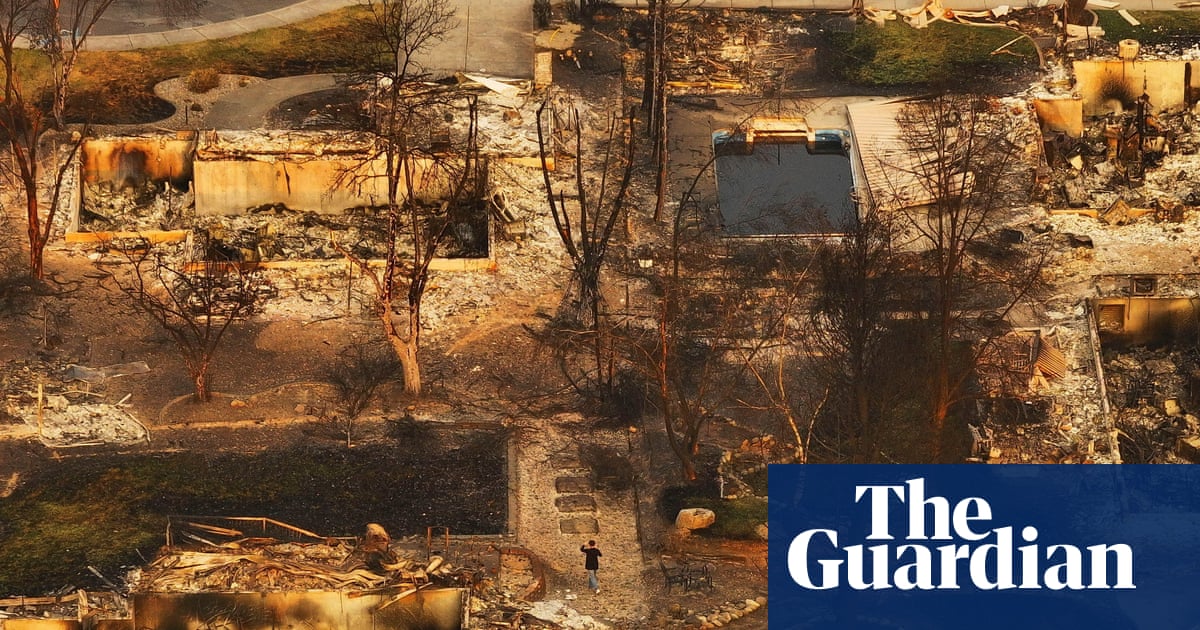
New satellite constellations equipped with infrared sensors and advanced artificial intelligence, alongside an expanding network of ground-based cameras, are revolutionizing wildfire detection. These high-tech systems are designed to identify incipient blazes within minutes, often before any human reports them, enabling firefighters to respond rapidly and extinguish fires before they can spread into major disasters. This integrated approach aims to fill critical gaps in traditional wildfire monitoring, significantly enhancing early warning capabilities across vast and remote landscapes, particularly in fire-prone regions like the western United States, which faces increasing fire weather due to climate change.
Finding fires faster
Wildfires are increasingly devastating the United States, driven by rising temperatures, prolonged droughts, and more frequent periods of hot, dry, and windy weather. These climatic shifts have made fires both easier to start and significantly harder to control, with western U.S. regions now experiencing approximately two additional months of fire weather annually compared to the 1970s. This escalating threat underscores the critical importance of early detection, as every minute saved in response time can prevent a small spark from becoming an uncontrollable inferno. To address this, innovations like the FireSat satellites, launched by SpaceX, are entering service. These initial three satellites are part of a larger network of 50 designed specifically for wildfire detection. They aim to provide high-resolution, frequent scans of the Earth's surface using infrared sensors and AI, detecting fires as small as a beach bonfire every 20 minutes once fully deployed, thereby bridging crucial gaps in existing satellite monitoring capabilities which often lack the necessary resolution or frequency to spot nascent fires. On the ground, companies like Pano AI are complementing this satellite network by installing over 1,400 AI-powered cameras across 17 states on strategic locations such as cell towers and mountain tops. These cameras constantly survey the landscape, with their AI algorithms meticulously analyzing imagery for signs of smoke during the day and heat signatures at night. Upon detecting a potential fire, human analysts quickly verify the threat, ensuring that alerts sent to fire agencies are accurate and prompt, often within a few minutes of ignition.
Getting there before the first 911 call
Firefighters emphasize that this technological head start is a game-changer, providing crucial validation of incidents and enabling swift resource deployment even before public emergency calls are made. For example, California's extensive Alert California camera network, which supports Cal Fire with over 1,200 cameras, is now responsible for detecting approximately half of all wildfires before they are reported by 911 calls. This capability was demonstrated in a recent incident near Fresno, where a fire was identified 20 minutes ahead of any emergency report, allowing firefighters to swiftly contain it. Assistant Chief Brendan Finnegan of West Metro Fire Rescue near Denver highlights the immense value of having 'eyes that can alert us well in advance.' Chief Phillip SeLegue of Cal Fire affirms that this system is instrumental in their mission to suppress 95% of fires at 10 acres or less. The confidence in these AI-powered detections is so high that fire agencies begin dispatching resources immediately upon receiving an alert, transforming their response strategy from reactive to proactive.
The fires people never hear about
While ground-based cameras provide detailed local surveillance, their reach is limited. This is where satellites become indispensable, offering expansive coverage over remote forests, mountains, and grasslands that lack ground infrastructure or human observers. The synergistic operation of both satellite and ground camera systems creates a robust, multi-layered detection network, offering firefighters an unprecedentedly fast and comprehensive overview of fire ignitions. The ultimate success metric for these advanced systems is preventing fires from ever escalating to a point where they capture public attention or cause widespread damage. As Chief SeLegue notes, 'The fires that this system has helped us dispatch resources to are the fires you don’t read about in the papers... The ones you don’t see.' This highlights the profound impact of early detection: by stopping fires when they are small, these technologies protect communities and ecosystems, often without the public ever realizing a threat existed.