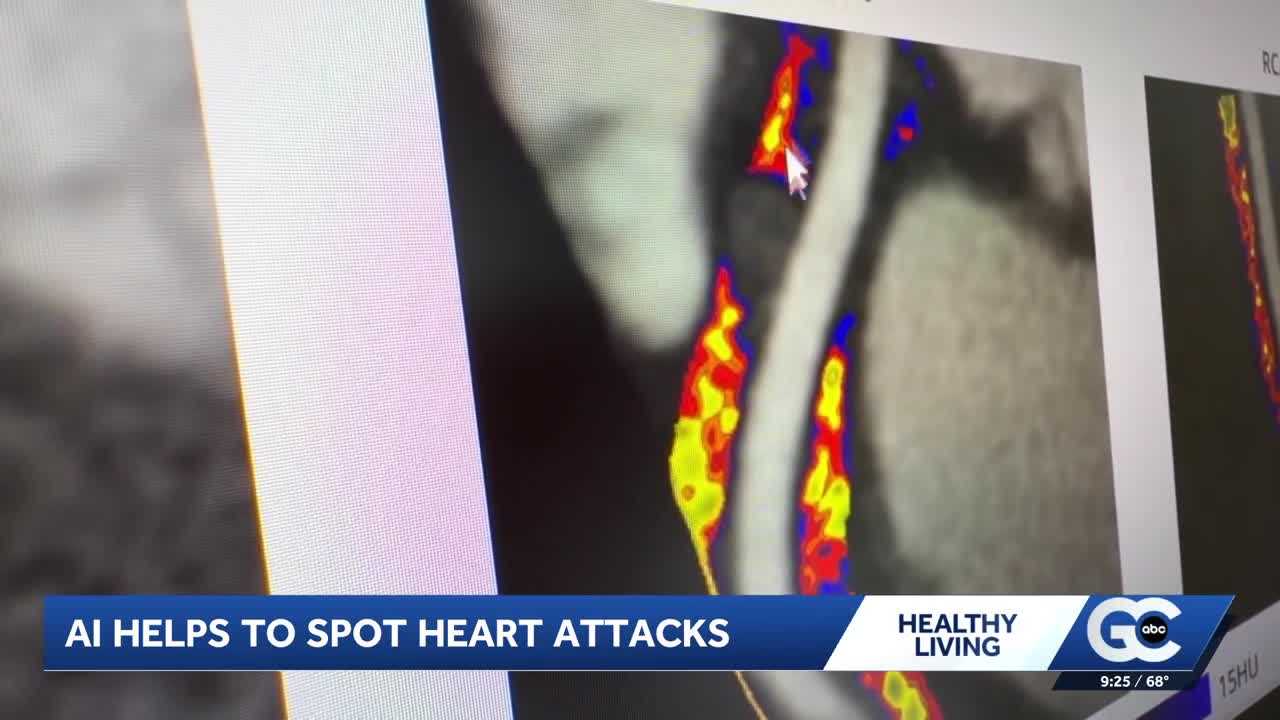
Artificial intelligence is giving doctors at Naples Comprehensive Health a new way to assess heart attack risks by analyzing CT images for changes in fat around the coronary arteries associated with inflammation.
AI for Advanced Heart Risk Assessment Naples Comprehensive Health (NCH) is at the forefront of cardiac diagnostics, deploying advanced artificial intelligence technology to perform a more comprehensive assessment of heart attack risks. This innovative system meticulously analyzes detailed CT images, specifically looking for subtle changes in the fat tissue surrounding the coronary arteries. These changes are crucial indicators of inflammation, a known significant factor in the development of cardiovascular disease. Unlike conventional CT scans which primarily focus on identifying immediate blockages or visible plaque, this AI-powered approach delves deeper, offering predictive insights into a patient's heart attack risk up to an impressive 10 years into the future. This allows medical professionals to go beyond reactive treatment, enabling a proactive stance in patient care by identifying potential issues far earlier than traditional methods would permit. Dr. Orringer's Implementation of AI Algorithms Dr. Carl Orringer, a highly respected preventive cardiologist associated with the NCH Rooney Heart Institute, plays a pivotal role in the practical application of this groundbreaking AI technology. He is actively utilizing sophisticated AI algorithms, which were specifically developed by Caristo Diagnostics, to conduct in-depth analyses of the inflammatory markers present around a patient’s arteries. This advanced algorithmic processing is designed to pinpoint and highlight nascent cardiac issues that might otherwise remain hidden or go undetected through standard, less granular diagnostic procedures. Dr. Orringer consistently emphasizes the immense value these artificial intelligence algorithms bring, as they provide critical and comprehensive information regarding an individual’s 10-year cardiac risk profile, thereby significantly enhancing the accuracy, predictive capability, and overall effectiveness of cardiac care delivered at NCH. Identifying Hidden Inflammation and Elevated Risk Scores The fundamental strength of this artificial intelligence system lies in its unparalleled ability to precisely quantify and map inflammation levels, both within and immediately surrounding the coronary arteries. During analysis, the system visually represents areas with higher levels of irritation or inflammation using distinct 'red areas' on the scan, making critical information easily discernible. A notable case shared illustrates a patient whose initial conventional scan indicated seemingly 'clear and white' arteries, suggesting no immediate concern. However, upon re-evaluation with Caristo's AI, significantly 'elevated inflammation scores' were detected. Dr. Orringer further clarified that when a patient’s inflammation score registers at the '75th percentile or greater' across any or all of their three major arteries, it serves as a robust statistical indicator of an elevated risk due to underlying inflammation. This capability is exceptionally valuable for identifying high-risk individuals who might otherwise be mistakenly categorized as low-risk or entirely overlooked by less sensitive diagnostic tools, thereby closing a critical gap in early detection. Early Intervention for Proactive Preventive Treatment One of the most impactful benefits of integrating this AI technology into patient care is its profound capacity to enable truly early intervention. This empowers doctors to proactively address and mitigate potential health risks long before any overt symptoms manifest, transforming the paradigm from reactive to preventive medicine. Dr. Orringer articulated his enthusiasm, stating there is 'nothing more exciting than identifying a problem before it gives a person difficulties,' thereby highlighting the immense value of this forward-looking diagnostic approach. By meticulously leveraging the detailed and quantified risk assessment provided by the AI, medical professionals are now equipped to formulate highly personalized and intensified preventive treatment plans. These plans can include targeted lifestyle modifications, such as specific dietary changes, or the judicious use of particular medications, all aimed at curbing the progression of heart disease, significantly enhancing long-term patient health, and drastically reducing the probability of future heart attacks.
AI for Advanced Heart Risk Assessment
Naples Comprehensive Health (NCH) is at the forefront of cardiac diagnostics, deploying advanced artificial intelligence technology to perform a more comprehensive assessment of heart attack risks. This innovative system meticulously analyzes detailed CT images, specifically looking for subtle changes in the fat tissue surrounding the coronary arteries. These changes are crucial indicators of inflammation, a known significant factor in the development of cardiovascular disease. Unlike conventional CT scans which primarily focus on identifying immediate blockages or visible plaque, this AI-powered approach delves deeper, offering predictive insights into a patient's heart attack risk up to an impressive 10 years into the future. This allows medical professionals to go beyond reactive treatment, enabling a proactive stance in patient care by identifying potential issues far earlier than traditional methods would permit.
Dr. Orringer's Implementation of AI Algorithms
Dr. Carl Orringer, a highly respected preventive cardiologist associated with the NCH Rooney Heart Institute, plays a pivotal role in the practical application of this groundbreaking AI technology. He is actively utilizing sophisticated AI algorithms, which were specifically developed by Caristo Diagnostics, to conduct in-depth analyses of the inflammatory markers present around a patient’s arteries. This advanced algorithmic processing is designed to pinpoint and highlight nascent cardiac issues that might otherwise remain hidden or go undetected through standard, less granular diagnostic procedures. Dr. Orringer consistently emphasizes the immense value these artificial intelligence algorithms bring, as they provide critical and comprehensive information regarding an individual’s 10-year cardiac risk profile, thereby significantly enhancing the accuracy, predictive capability, and overall effectiveness of cardiac care delivered at NCH.
Identifying Hidden Inflammation and Elevated Risk Scores
The fundamental strength of this artificial intelligence system lies in its unparalleled ability to precisely quantify and map inflammation levels, both within and immediately surrounding the coronary arteries. During analysis, the system visually represents areas with higher levels of irritation or inflammation using distinct 'red areas' on the scan, making critical information easily discernible. A notable case shared illustrates a patient whose initial conventional scan indicated seemingly 'clear and white' arteries, suggesting no immediate concern. However, upon re-evaluation with Caristo's AI, significantly 'elevated inflammation scores' were detected. Dr. Orringer further clarified that when a patient’s inflammation score registers at the '75th percentile or greater' across any or all of their three major arteries, it serves as a robust statistical indicator of an elevated risk due to underlying inflammation. This capability is exceptionally valuable for identifying high-risk individuals who might otherwise be mistakenly categorized as low-risk or entirely overlooked by less sensitive diagnostic tools, thereby closing a critical gap in early detection.
Early Intervention for Proactive Preventive Treatment
One of the most impactful benefits of integrating this AI technology into patient care is its profound capacity to enable truly early intervention. This empowers doctors to proactively address and mitigate potential health risks long before any overt symptoms manifest, transforming the paradigm from reactive to preventive medicine. Dr. Orringer articulated his enthusiasm, stating there is 'nothing more exciting than identifying a problem before it gives a person difficulties,' thereby highlighting the immense value of this forward-looking diagnostic approach. By meticulously leveraging the detailed and quantified risk assessment provided by the AI, medical professionals are now equipped to formulate highly personalized and intensified preventive treatment plans. These plans can include targeted lifestyle modifications, such as specific dietary changes, or the judicious use of particular medications, all aimed at curbing the progression of heart disease, significantly enhancing long-term patient health, and drastically reducing the probability of future heart attacks.