Quick Buzz Feed

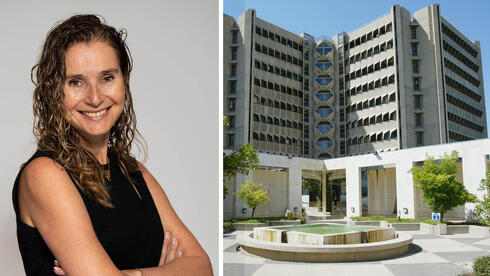
Prof. Anat Gafter-Gvili, incoming head of Tel Aviv University’s medical school, says artificial intelligence will force medical schools to rethink training, reduce reliance on memorization, and prepare physicians for a changing profession.
Prof. Gafter-Gvili aims to shorten the lengthy medical training, specifically the sixth year of medical school, which she believes is too long. The current path to becoming a specialist spans ten years, including medical school, internship, and residency. She is working to find ways to streamline this process and make the training more focused, although they have faced difficulties with the Council for Higher Education and the Planning and Budgeting Committee.
During the ten-year training period, doctors are actively working and receiving a salary. However, the goal remains to shorten this duration. The medical school has already implemented changes, such as incorporating online learning where suitable, and plans to integrate AI tools into the curriculum to train better doctors more quickly.
Being a doctor in the current era presents unique challenges. AI tools are seen not as replacements for doctors but as valuable assistants that can save time and offer insights. Therefore, medical students must learn how to use these AI tools effectively and responsibly, with proper oversight. The medical school's role is to ensure AI is integrated into education and future doctors are equipped to leverage these technologies.
The advent of AI necessitates a fundamental re-evaluation of medical education. The focus needs to shift from rote memorization to developing critical thinking skills and the ability to find and critically use information. AI should also be harnessed to enhance learning processes and potentially reduce the duration of medical studies. While foundational knowledge is crucial, new teaching methods are required to move away from heavy reliance on memorization, which is still a significant component of the current medical degree.
Prof. Gafter-Gvili emphasizes that navigating these changes requires recognition of the current reality and a willingness to compromise from regulatory bodies like the Council for Higher Education and the Planning and Budgeting Committee.
As a proud internist and hematologist, Prof. Gafter-Gvili believes internal medicine is the 'queen of medicine' due to its broad knowledge requirements. She notes that internal medicine departments are crucial for hospitals, especially during crises, and offer the most challenging and interesting cases. She has never felt that choosing this path was a compromise, despite perceived lesser opportunities for private practice compared to other specialties.
Prof. Gafter-Gvili asserts that pursuing medicine solely for wealth is a misguided choice. She believes that doctors can still lead a good life and build a family life, balancing demanding hours and unexpected calls. Her own career has allowed her to have a fulfilling family life, demonstrating that professional success and personal life are not mutually exclusive in medicine.
Despite recent emigration, Israel is increasing its medical student intake, with Tel Aviv University now accommodating 400 students annually. This initiative by the Ministry of Health aims to address the doctor shortage. New reforms, like the Yatziv reform, will also prevent graduates from unqualified foreign medical schools from practicing in Israel. The opening of new medical schools in Israel (from four to nine) is hoped to encourage more Israelis to study domestically, reducing the brain drain. While Israeli doctors are highly regarded globally, efforts are focused on ensuring future generations receive excellent education within the country to prevent them from seeking opportunities abroad and not returning.