Quick Buzz Feed

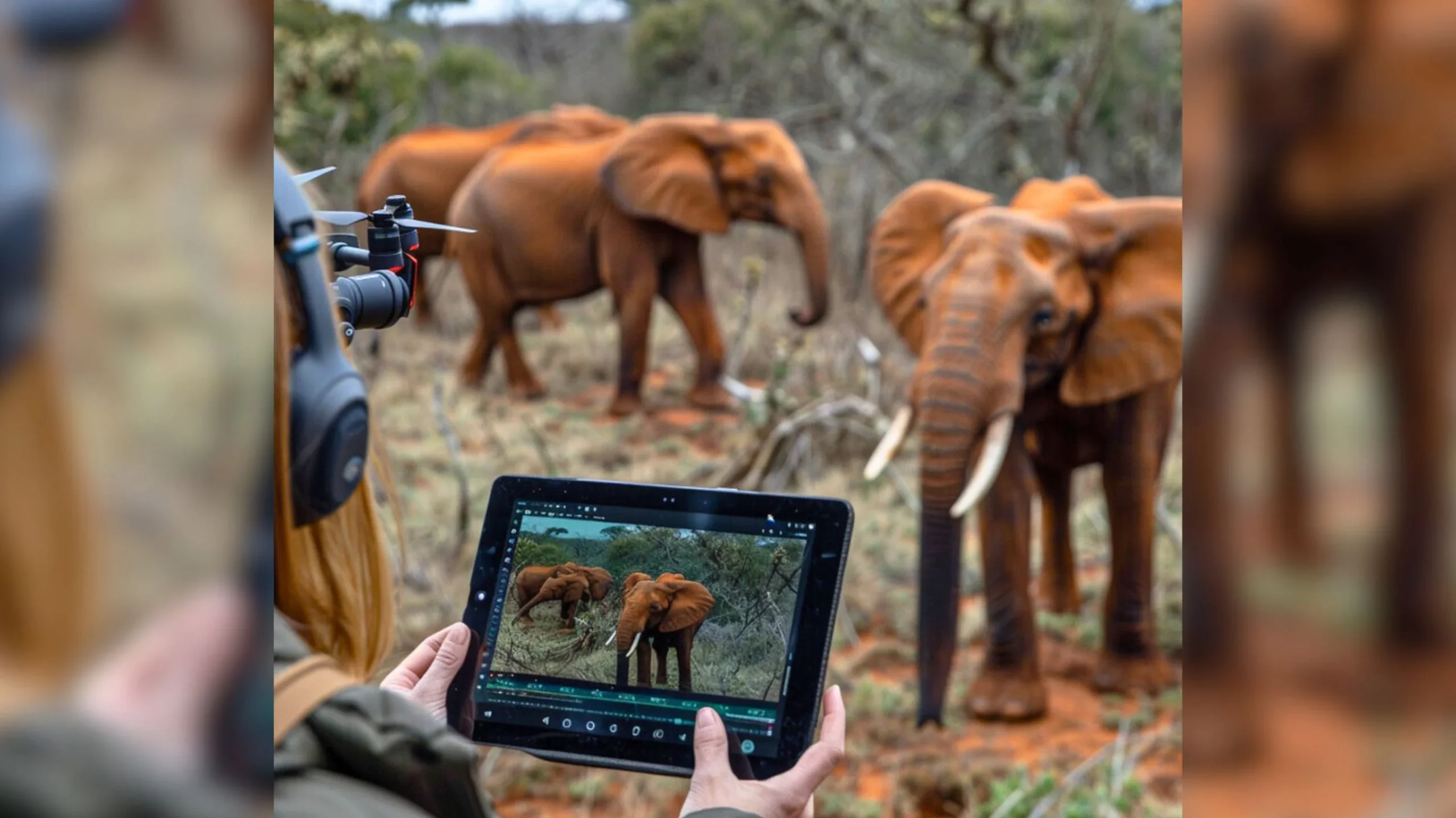
As wildlife populations face mounting threats from habitat loss, climate change, poaching and human-wildlife conflict, conservationists are increasingly turning to AI-powered tracking tags to monitor animals in real-time and gain unprecedented insights into their movements, behavior, and survival.
Wildlife tracking tags have been in use for decades, traditionally employing radio, GPS, or satellite technology to record and transmit an animal's location. AI-powered tracking tags elevate this by integrating sensors, onboard computing power, and machine-learning algorithms. These advanced devices can analyze data directly on the animal, offering deeper insights into their behavior while significantly reducing power consumption and data transmission costs. Modern tracking devices may include GPS receivers, accelerometers for movement measurement, temperature sensors, acoustic recorders, cameras, and satellite communication systems. Some sophisticated systems can even automatically identify specific behaviors like feeding, resting, hunting, migration, or signs of distress, providing a richer understanding of animal life.
A major hurdle in wildlife monitoring is the immense volume of data generated by tracking devices. Artificial intelligence provides a solution by automatically analyzing this information and pinpointing important events. Instead of continuously sending every piece of raw data via satellite, an AI-enabled tag can intelligently determine which data is most valuable and transmit only key findings. This smart data management extends battery life, allowing researchers to monitor animals for much longer periods. Beyond efficiency, AI can detect unusual movement patterns that might signal injury or poaching threats, identify crucial migration routes and seasonal habitat use, recognize subtle behavioral changes linked to environmental stress, predict human-wildlife conflict hotspots, and ultimately help conservationists respond more swiftly and effectively to emerging threats.
Real-time monitoring has emerged as one of the most potent tools in contemporary wildlife conservation efforts. GPS and satellite tracking systems empower conservation teams to observe endangered animals across vast and remote landscapes, aiding in the identification of critical habitats, essential migration corridors, vital breeding areas, and potential threats before irreversible damage can occur. For instance, elephant conservation projects utilize GPS collars to track herd movements, helping to mitigate conflicts with nearby human communities. Vultures and other raptors are increasingly fitted with lightweight GPS transmitters to meticulously study their migration routes and pinpoint dangers such as poisoning incidents and habitat degradation. Similarly, sea turtles are tracked using satellite tags to unveil their nesting sites, primary feeding grounds, and intricate migratory pathways across expansive oceans. By gaining a comprehensive understanding of where animals travel and how they utilize their habitats, conservationists are equipped to make far more informed and impactful decisions regarding protected areas and overall wildlife management strategies.
AI-enabled wildlife tracking offers several significant advantages over conventional monitoring methods. Firstly, it provides richer, 'better data' by allowing researchers to collect detailed information about complex animal behaviors, moving beyond mere location tracking. Secondly, it facilitates 'faster conservation action' through real-time alerts that enable authorities to respond more rapidly to critical threats such as poaching attempts, animal injuries, or impending environmental disasters. Thirdly, 'reduced costs' are achieved as AI can process and filter data directly on the tag, minimizing the need for expensive satellite data transmission. This smarter data management also contributes to 'longer battery life', allowing devices to operate for months or even years in the field. Lastly, this technology leads to 'improved scientific understanding', empowering scientists to answer complex questions about migration patterns, habitat utilization, climate change impacts, and overall species survival that were previously impossible to study at such a scale.
Despite the undeniable benefits of advanced tracking technologies, their implementation demands a strong commitment to responsible and ethical practices. The initial process of capturing and tagging animals can be stressful, requiring researchers to carefully weigh the potential conservation gains against any adverse impacts on animal welfare. Some species, in particular, exhibit heightened sensitivity to handling and the tagging procedures. Conservation organizations also encounter several practical challenges, including the substantial equipment costs, the complexities of data management, and the ongoing expenses associated with satellite communication. Furthermore, battery limitations remain a concern, and it is crucial to ensure that tracking devices are designed to be sufficiently small and lightweight so as not to impede or alter an animal’s natural behavior. Ethical deployment, therefore, continues to be a paramount consideration in all wildlife research involving these technologies.
Tracking technology is experiencing rapid evolution, ushering in new generations of lightweight tags that are not only smaller but also smarter and more energy-efficient. These advancements are making it feasible to monitor an even broader spectrum of species, including smaller birds, reptiles, and mammals, which were previously difficult to track. Researchers are also actively integrating these individual tracking systems with other cutting-edge AI-powered conservation tools, such as drones and high-resolution satellite imagery. This integration aims to create a more comprehensive and holistic picture of wildlife populations and the overall health of their ecosystems. As global biodiversity continues to face escalating pressures, AI-powered wildlife tracking stands out as one of the most promising tools available to conservationists. By providing critical insights into animal movements, behavioral patterns, and the specific threats they encounter, these technologies offer vital information that can significantly enhance efforts to protect species before it becomes too late.
While technology plays a transformative role, it is important to recognize that it alone cannot safeguard wildlife populations. For AI-powered tracking tools to be truly effective, they must be seamlessly integrated with robust conservation policies, proactive habitat protection initiatives, and meaningful community engagement programs. When these elements are combined, AI-enabled tracking tools can significantly bolster the chances of survival for endangered species in an increasingly challenging global environment. Animal Survival International actively contributes to these efforts by providing funding for AI-tracking and monitoring devices. These resources are crucial for advancing science-based conservation efforts, providing enhanced protection for wildlife, and serving as a deterrent against poaching. Further insights into how AI-powered drones are being deployed to protect wildlife globally can be found in their related articles.