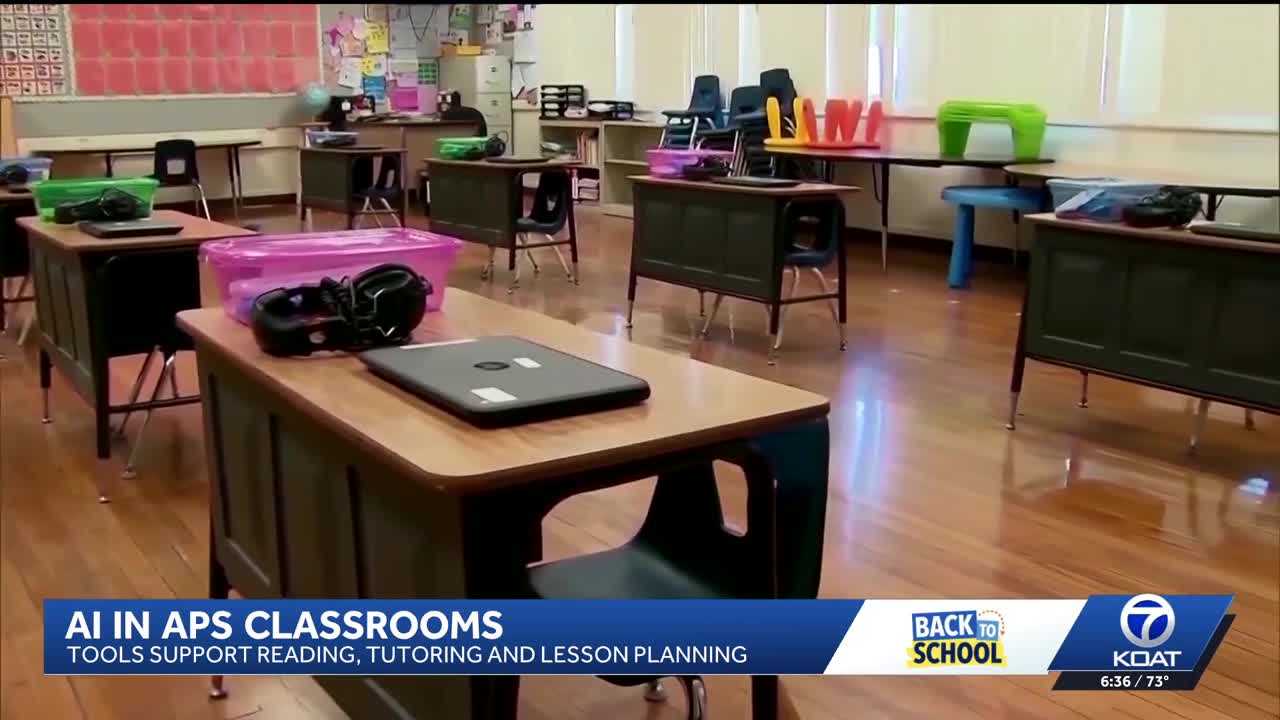
Albuquerque Public Schools is actively integrating Artificial Intelligence (AI) tools to enhance early literacy and overall classroom learning. While these initiatives aim to provide advanced diagnostic information, tutoring support, and assist teachers in lesson development, the district is simultaneously working to establish clear guidelines for their responsible use in educational settings. This strategic adoption, however, is accompanied by rising concerns among some parents regarding student privacy, potential increases in screen time, and the broader implications of AI technologies on student well-being and academic integrity.
Introduction of AI for Literacy Assessment and Support
Albuquerque Public Schools (APS) has begun implementing advanced Artificial Intelligence (AI) technologies within its classrooms, specifically targeting early literacy development. A key component of this initiative is the use of "Amira," a program mandated by the state of New Mexico. Amira functions as an early dyslexia screener and a comprehensive literacy assessment tool for students from kindergarten through third grade. The program is designed to listen to students as they read aloud, providing educators with crucial diagnostic information regarding their reading proficiency and potential learning challenges. Beyond assessment, Amira also includes an interactive tutoring component, offering personalized support to students as needed. This comprehensive approach aims to bolster reading skills and provide targeted interventions from an early stage.
Promising Early Results and Academic Gains
Initial evaluations of the Amira AI literacy program have yielded encouraging results, according to district officials. By the end of the school year, a significant portion of the student population demonstrated improved literacy levels. Specifically, 29.2% of first graders belonging to groups identified in the Yazzie-Martinez decision, as well as African American students, achieved a proficient or higher score in literacy assessments. This achievement notably surpassed the district's annual target by 6.2 percentage points. Similarly, among second graders within the same identified student demographics, 33% reached proficiency, exceeding the district's annual target by an even greater margin of 8.7 percentage points. These statistics suggest that the AI tools are contributing positively to the district's efforts to enhance student literacy.
Expanding AI Integration and Addressing Academic Integrity
Beyond the Amira program, Albuquerque Public Schools is actively preparing to roll out an additional AI-powered platform known as "Magic School." This new tool is designed with a focus on supporting teachers in curriculum development and fostering innovative learning environments. According to Mahlerwein, Magic School will incorporate various AI components to assist educators in planning more interpersonal and interdisciplinary units. The aim is to facilitate "deeper learning experiences" where students can connect academic content directly to real-world relevance, thereby enhancing engagement and understanding. Concurrently, the district is proactively addressing concerns surrounding students' potential misuse of AI tools, such as ChatGPT and Claude, for completing assignments. APS officials are monitoring these generative AI platforms and collaborating with teachers to develop effective strategies for preventing academic dishonesty and establishing clear expectations for responsible AI use in the classroom.
Parental Concerns and State Mandate Clarification
The integration of AI tools, particularly Amira, has not been without its challenges, drawing significant concerns from some parents within the Albuquerque Public Schools community. Parents have raised objections primarily centered around the program's use of student voice recordings, citing privacy worries. Additionally, there are concerns about the increased amount of screen time children are required to spend utilizing the Amira platform. Cassie Fleming, an APS parent, expressed her apprehension, stating, "I want to send my kid into school knowing that she's going to be learning and not otherwise being harmed. I don't feel that confident that she's not being harmed when we have these requirements that she needs to spend so much time in front of Amira." In response to these parental concerns, district officials have clarified that Amira's implementation is a mandate from the New Mexico Public Education Department. They have advised families with specific questions or concerns regarding this statewide requirement to direct their inquiries to the state department.