Initially focused on analyzing full-motion video collected by military drones, Project Maven applied machine-learning algorithms to identify objects, recognize patterns, and assist intelligence analysts.
The Challenge of Data Overload and Project Maven's Inception
The Department of Defense faced an overwhelming volume of data from various sources that human analysts alone could not process. In response, Project Maven was launched in 2017 to apply machine-learning algorithms to analyze military drone video, identify objects and patterns, and significantly accelerate intelligence analysis tasks.
AI as a Force Multiplier and Institutionalization
Project Maven demonstrated AI's ability to act as a force multiplier, not replacing human decision-makers, by sifting through vast information and flagging potential threats. This success led to the establishment of the Joint Artificial Intelligence Center (JAIC) in 2018, later incorporated into the Chief Digital and Artificial Intelligence Office (CDAO), centralizing AI, data management, and advanced analytics across the military services.
Pursuing Decision Advantage with AI and Autonomy
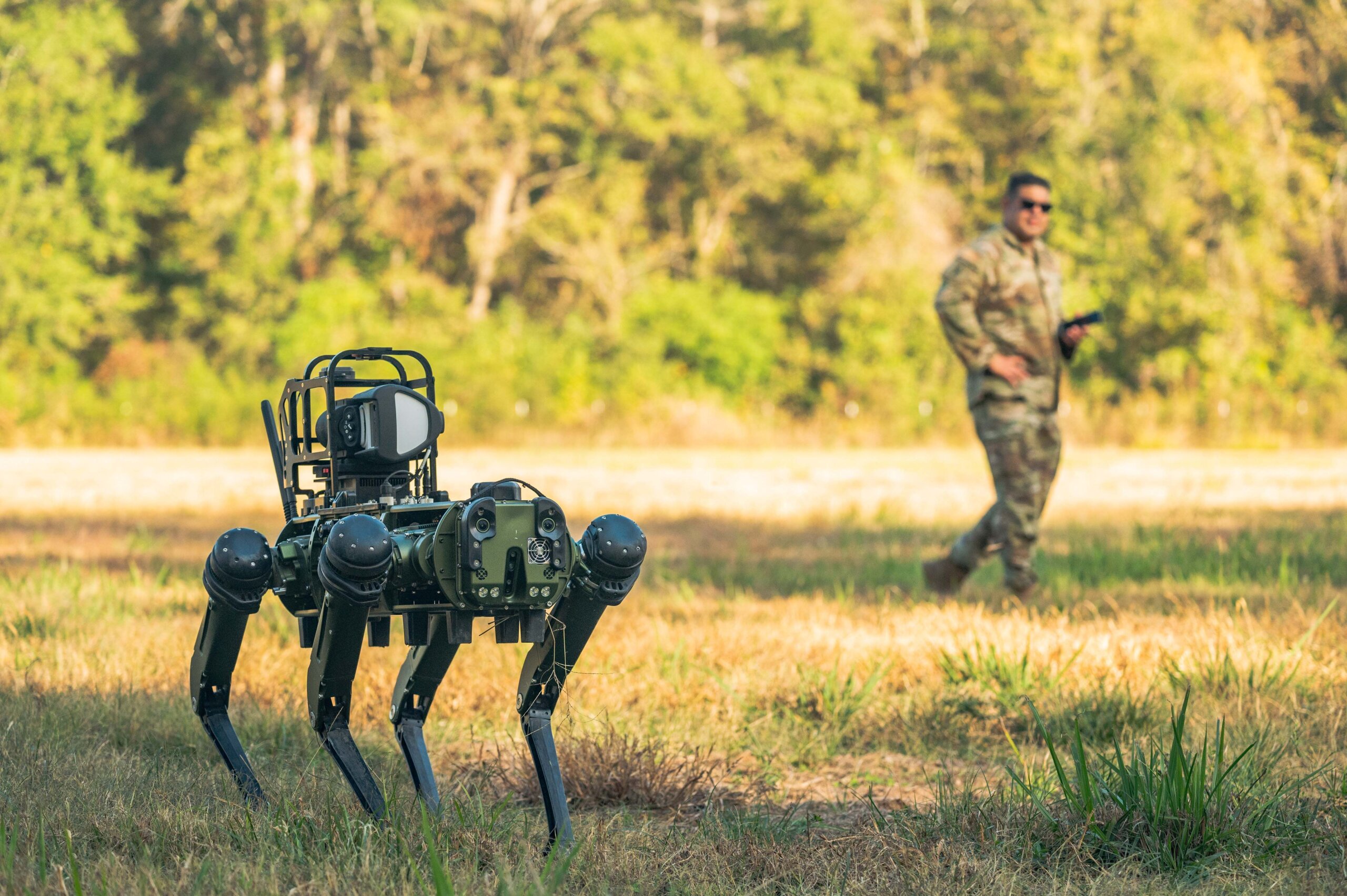
The military's focus has shifted towards achieving "decision advantage," where AI rapidly processes sensor feeds, fuses intelligence, identifies threats, and recommends actions to commanders under time pressure. Autonomous and semi-autonomous technologies are also advancing, aiding in logistics, surveillance, navigation, cybersecurity, and data analysis.
Ethical Considerations and the Future of Military AI
The widespread adoption of military AI raises significant ethical questions, prompting defense leaders to emphasize responsible AI principles, transparency, accountability, and human oversight in decisions involving force. Despite these concerns, AI is recognized as a defining military technology of the 21st century, crucial for converting information into rapid decisions to gain an advantage over adversaries.