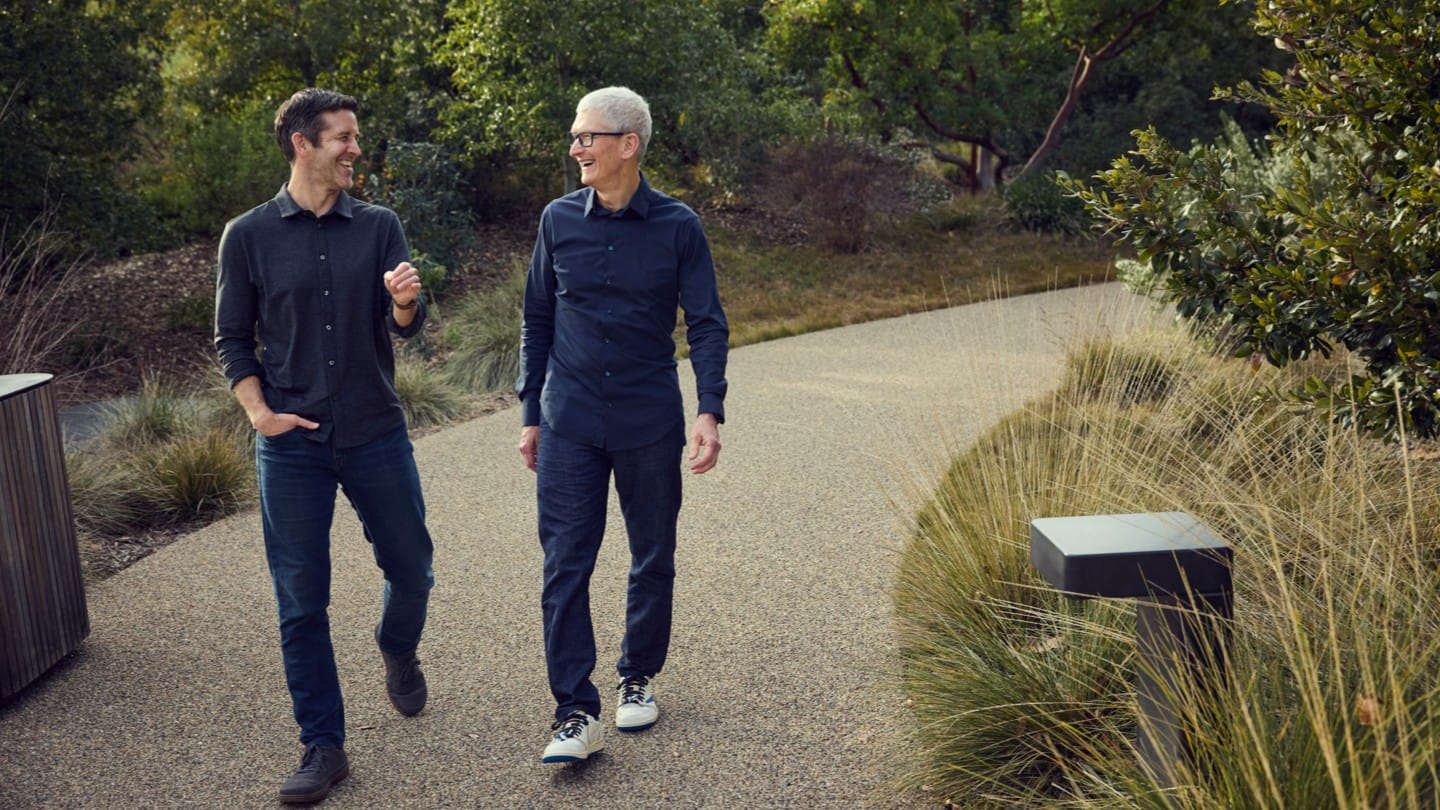
John Ternus, Apple's incoming CEO, who takes over on September 1, emphasizes a product-first philosophy for AI, stating that technology should serve the product rather than be an end in itself. This contrasts with competitors like Microsoft, Alphabet, and Meta, who are aggressively pursuing AI revenue run rates and personal superintelligence. Apple's strong financial performance supports this approach, despite some criticism and delays in its AI features like Siri upgrades. Ternus's strategy will face its first major test with the anticipated iOS 27 AI upgrades in late 2026.
Peers Are Chasing AI Run Rates
While Apple's incoming CEO John Ternus focuses on a product-first AI philosophy, competitors like Microsoft, Alphabet (Google), and Meta Platforms are highlighting their AI-driven revenue run rates and ambitious superintelligence promises. Despite these bold claims, the market has not consistently rewarded these companies, with Microsoft and Meta showing year-to-date declines, while Apple's stock has performed strongly.
The Financials Backing the Philosophy
Apple's strong financial performance, including a revenue of $111.18 billion and diluted EPS of $2.01 in the March quarter, supports Ternus's cautious approach to AI. The company's robust cash flow from record Services revenue and strong iPhone demand allows it the flexibility to prioritize product integration over aggressive AI revenue chasing, evident in a new $100 billion buyback and a 4% dividend hike.
Where the Restraint Has Hurt
Apple's cautious AI strategy carries risks, as seen with the criticized launch of Apple Intelligence in 2024 and delayed Siri upgrades to iOS 27 (late 2026/early 2027). This timeline presents Ternus's first major challenge, with investors growing impatient for tangible AI progress following an underwhelming WWDC. The success of his 'right feature beats loudest one' wager depends on these upcoming implementations.