Quick Buzz Feed

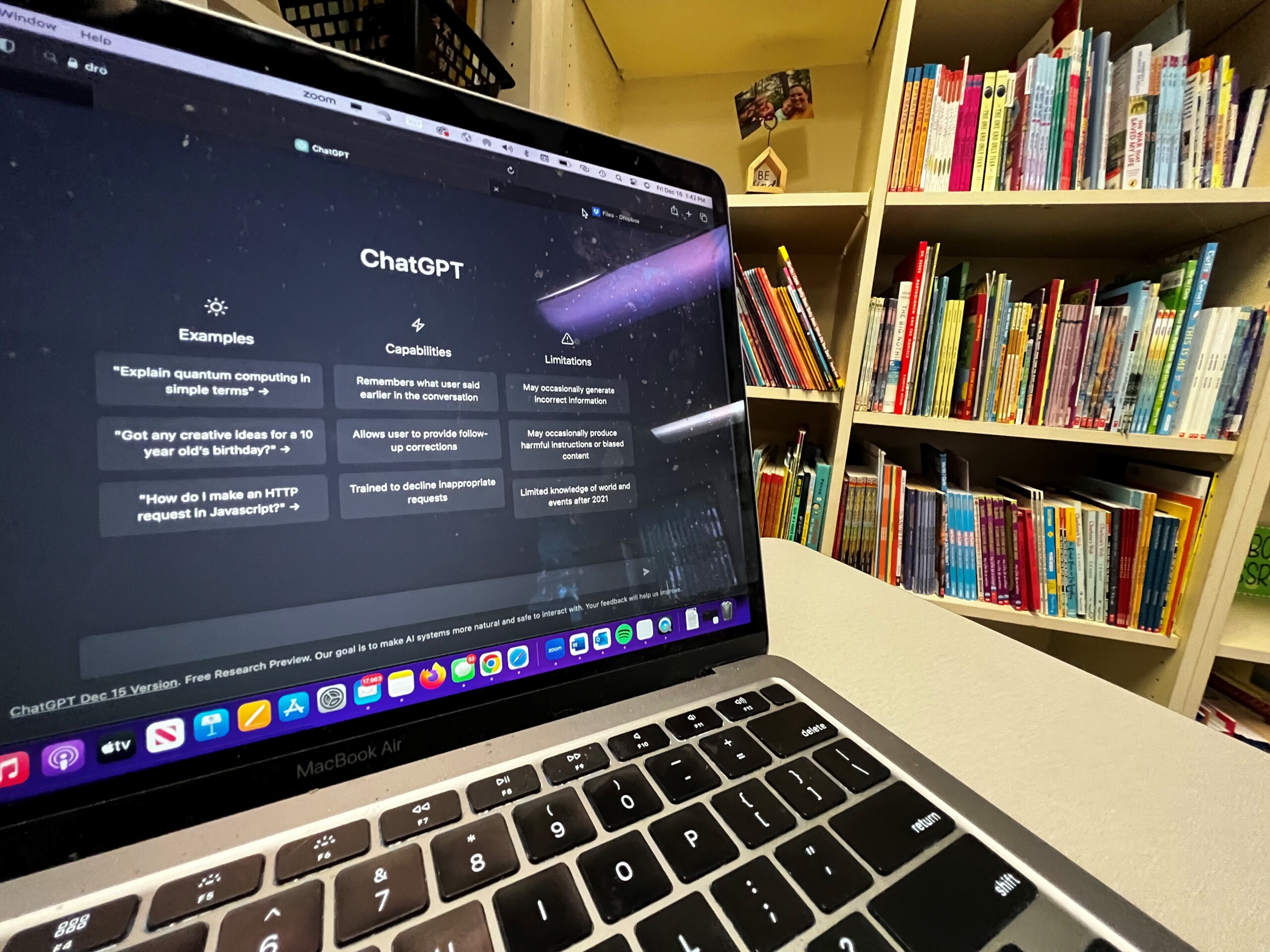
While AI can be a valuable tool for future careers, concerns are rising that it may curb critical thinking and original thought.
Schools in Grand Traverse County and beyond are grappling with the increasing use of artificial intelligence by students for their schoolwork. Educators face the challenge of finding a balance between preparing students for future careers where AI is prevalent and ensuring they develop critical thinking and original thought, which AI usage might undermine.
At Kingsley High, Principal Chris Rapes observes that a significant number of students use AI, sometimes to entirely complete assignments like essays. He expresses concerns that this practice will severely diminish students' critical thinking and originality, considering it a form of cheating that causes students to lose their individuality by outsourcing their thoughts to technology.
A 2026 poll by Common Sense Media reveals that 59% of kids aged 12-17 use AI for schoolwork, with many predicting future dependency on platforms like Chat GPT and Google's Gemini. Traverse City Area Public Schools acknowledge this broad accessibility and are focusing on educating both staff and students about appropriate AI tools and transparent usage guidelines to avoid circumventing the learning process.
Educators, including Principal Rapes, feel they are constantly 'playing catch up' with the rapid evolution of AI technology. There's a recognized need for a unified approach, urging administrators and teachers across individual schools, districts, and regional educational service agencies to collaborate on establishing common policies for AI use to effectively manage its integration.
While technological methods exist to detect AI-generated content, educators often rely on their deep understanding of individual student's thought patterns and writing styles to identify inauthentic work. Recognizing that AI is here to stay, the focus is shifting towards how to integrate these tools into education in a way that prepares students for their future careers without compromising the challenging but essential processes of learning and critical engagement.