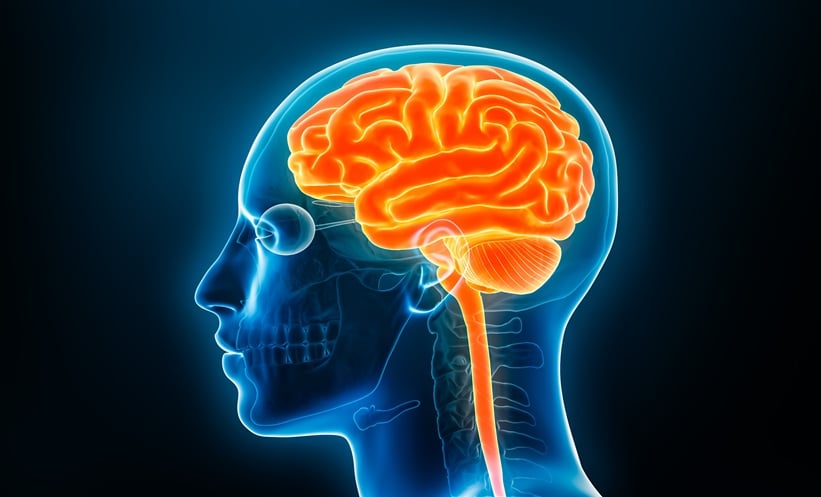
Artificial intelligence (AI) is being increasingly investigated for its potential to revolutionize the diagnosis, monitoring, and prognostic assessment of central nervous system (CNS) autoimmune diseases. A new review highlights AI applications across various conditions, including multiple sclerosis, neuromyelitis optica spectrum disorder, autoimmune encephalitis, and myelin oligodendrocyte glycoprotein antibody associated disease. These diseases pose significant diagnostic and therapeutic challenges due to their overlapping clinical presentations, limitations in current biomarkers, and the necessity for extensive long-term patient follow-up. AI has been explored for several clinical functions such as automated neuroimaging analysis, assisting with differential diagnosis, disease classification, predicting relapses, stratifying prognosis, and informing care planning. The technology's reach extends to integrating laboratory data, electronic health records, molecular information, and diverse multimodal patient datasets. Key findings from the review indicate that AI was evaluated across CNS autoimmune diseases to support diagnosis and prognosis, showing the strongest evidence and progress in multiple sclerosis, particularly in imaging and monitoring. While promising, future AI tools aiming to improve risk stratification will require substantial further validation.
Artificial Intelligence Evidence Strongest in Multiple Sclerosis The review found that the application of artificial intelligence was not uniformly distributed across the various CNS autoimmune diseases. Research on multiple sclerosis constituted the largest portion of published studies, particularly concerning neuroimaging applications. Within multiple sclerosis, AI has shown considerable promise in tasks such as lesion segmentation, monitoring disease activity, conducting volumetric assessments of brain regions, and predicting disability progression. Some of these neuroimaging tools have advanced to multi-centre studies and prospective evaluations of their integration into clinical workflows. In contrast, for other conditions like neuromyelitis optica spectrum disorder, autoimmune encephalitis, and myelin oligodendrocyte glycoprotein antibody-associated disease, the studies evaluating AI were generally smaller in scale and more varied in their methodology and focus. While these smaller studies did show encouraging diagnostic and prognostic performance, many were limited by a lack of external validation and often relied on retrospective datasets, which can introduce biases. A critical observation from the review was the inadequate representation of diagnostically uncertain, seronegative, and overlap populations in the existing AI research. Despite these limitations, there is a growing interest in more advanced AI applications, including federated learning for collaborative model training, the identification and use of digital biomarkers, the integration of multi-omics data (genomics, proteomics, metabolomics), the development of foundation models, and the application of large language models. However, at their current stage, these innovative approaches primarily generate hypotheses or offer exploratory insights rather than providing validated clinical benefits. Key Challenges for Clinical Translation Despite the significant progress observed in the development and exploration of artificial intelligence applications for CNS autoimmune diseases, critical gaps in clinical translation persist. The review specifically noted that no prospectively validated AI model has yet been identified that can effectively estimate comparative treatment effects or guide individual treatment selection across the spectrum of diseases studied. Currently, most of the available AI models tend to concentrate on diagnostic support, disease monitoring, and risk prediction, rather than directly influencing or recommending specific therapeutic interventions. The researchers underscored the urgent need for several advancements to bridge these translational gaps. These include the compilation of larger, multi-centre datasets to improve the robustness and generalizability of AI models, the implementation of stronger external validation protocols to ensure reliability in diverse clinical settings, the necessity for prospective clinical evaluations to assess real-world efficacy, and a thorough assessment of AI's actual impact on clinical decision-making and patient outcomes. According to the research team, breakthroughs in the near future are most likely to stem from enhanced multimodal data integration, the standardization of neuroimaging analysis techniques, and improved patient risk stratification. Conversely, the aspiration for fully autonomous AI systems capable of precise diagnosis and treatment selection remains largely unsubstantiated by the current body of evidence, emphasizing that significant research and validation are still required before such advanced applications can be routinely adopted in clinical practice.
Artificial Intelligence Evidence Strongest in Multiple Sclerosis
The review found that the application of artificial intelligence was not uniformly distributed across the various CNS autoimmune diseases. Research on multiple sclerosis constituted the largest portion of published studies, particularly concerning neuroimaging applications. Within multiple sclerosis, AI has shown considerable promise in tasks such as lesion segmentation, monitoring disease activity, conducting volumetric assessments of brain regions, and predicting disability progression. Some of these neuroimaging tools have advanced to multi-centre studies and prospective evaluations of their integration into clinical workflows. In contrast, for other conditions like neuromyelitis optica spectrum disorder, autoimmune encephalitis, and myelin oligodendrocyte glycoprotein antibody-associated disease, the studies evaluating AI were generally smaller in scale and more varied in their methodology and focus. While these smaller studies did show encouraging diagnostic and prognostic performance, many were limited by a lack of external validation and often relied on retrospective datasets, which can introduce biases. A critical observation from the review was the inadequate representation of diagnostically uncertain, seronegative, and overlap populations in the existing AI research. Despite these limitations, there is a growing interest in more advanced AI applications, including federated learning for collaborative model training, the identification and use of digital biomarkers, the integration of multi-omics data (genomics, proteomics, metabolomics), the development of foundation models, and the application of large language models. However, at their current stage, these innovative approaches primarily generate hypotheses or offer exploratory insights rather than providing validated clinical benefits.
Key Challenges for Clinical Translation
Despite the significant progress observed in the development and exploration of artificial intelligence applications for CNS autoimmune diseases, critical gaps in clinical translation persist. The review specifically noted that no prospectively validated AI model has yet been identified that can effectively estimate comparative treatment effects or guide individual treatment selection across the spectrum of diseases studied. Currently, most of the available AI models tend to concentrate on diagnostic support, disease monitoring, and risk prediction, rather than directly influencing or recommending specific therapeutic interventions. The researchers underscored the urgent need for several advancements to bridge these translational gaps. These include the compilation of larger, multi-centre datasets to improve the robustness and generalizability of AI models, the implementation of stronger external validation protocols to ensure reliability in diverse clinical settings, the necessity for prospective clinical evaluations to assess real-world efficacy, and a thorough assessment of AI's actual impact on clinical decision-making and patient outcomes. According to the research team, breakthroughs in the near future are most likely to stem from enhanced multimodal data integration, the standardization of neuroimaging analysis techniques, and improved patient risk stratification. Conversely, the aspiration for fully autonomous AI systems capable of precise diagnosis and treatment selection remains largely unsubstantiated by the current body of evidence, emphasizing that significant research and validation are still required before such advanced applications can be routinely adopted in clinical practice.