Quick Buzz Feed

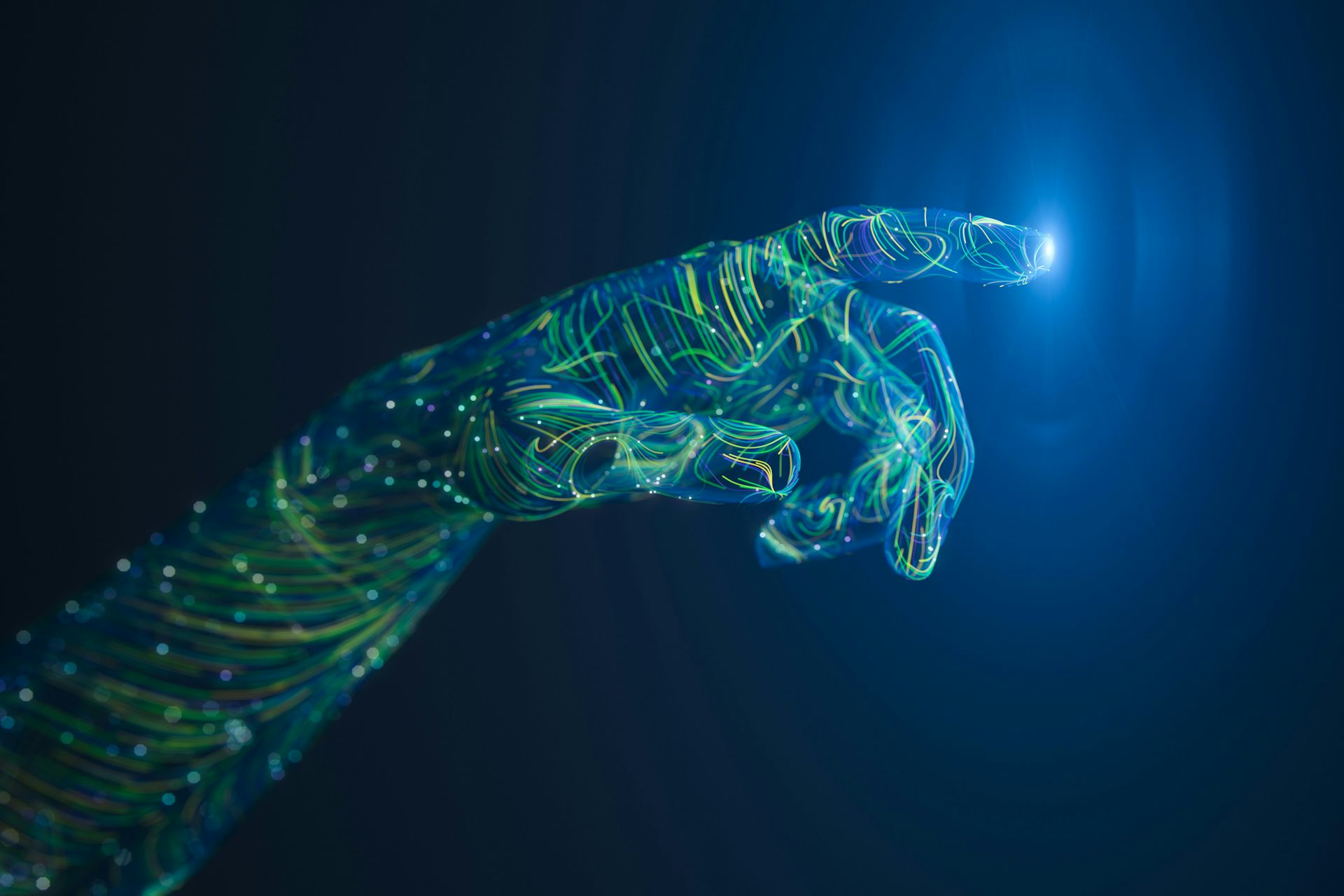
AI is making waves in health care and medicine. Does the technology have the potential for breakthroughs in how we tackle disease, dysfunction and aging?
AI is increasingly being utilized to solve significant problems in biology and medicine by organizing complex biological interactions beyond human capabilities. Notable examples include AlphaFold, which predicts protein structures and interactions rapidly, and AlphaGenome, which forecasts how gene variants contribute to genetic diseases. These AI-driven approaches are already finding broad applications in areas like cancer, Alzheimer’s disease, and pandemic response.
Current AI models are largely statistical, excelling at identifying correlations rather than cause-and-effect relationships, which limits their application scope in biology. The challenge lies in accurately capturing the causal mechanisms within the vast biological network. Solutions are emerging through hybrid computational frameworks that integrate existing structured knowledge (like fundamental laws of physics/chemistry/biology or disease mechanisms) with diverse multi-modal datasets, including images, quantitative data on metabolites/genes, and clinical records.
Institutions like the Arc Institute are developing AI to understand cellular-level biological representations. They train models on extensive cell data (over 150 million cells) to decipher how gene networks determine cellular identity. By introducing controlled disruptions (perturbations), researchers observe direct cause-and-effect, compensatory mechanisms, and biological variations. This experimental data refines AI models to predict a statistical-causal representation of cell states, significantly accelerating progress in biology and medicine.
While causal-aware AI systems hold immense promise for accelerating drug discovery, personalizing treatments, and uncovering new biomedical solutions, significant hurdles remain. Biological systems are incredibly complex, characterized by high dimensionality, confounding variables, and inherent compensatory mechanisms that make distinguishing true causal evidence from mere correlation challenging. Additional obstacles include data scarcity, inconsistencies, biases in data collection, and profound ethical considerations surrounding AI's role in health and medicine, all of which complicate reliable implementation and translation of these systems into practical solutions.
The Biernaskie lab at the University of Calgary is leveraging these AI approaches to study antler regeneration in reindeer, with the ultimate goal of transferring this regenerative capability to humans. Their immediate focus is on regenerating healthy skin for burn survivors, aiming to drastically improve healing outcomes from severe, fibrotic scarring common in such injuries. Globally, many other labs are also committed to using AI to tackle complex health and medicine challenges through diverse methodologies, ranging from advanced data integration to robust validation frameworks and ethical guidelines, potentially heralding a transformative era for medical science.