Quick Buzz Feed

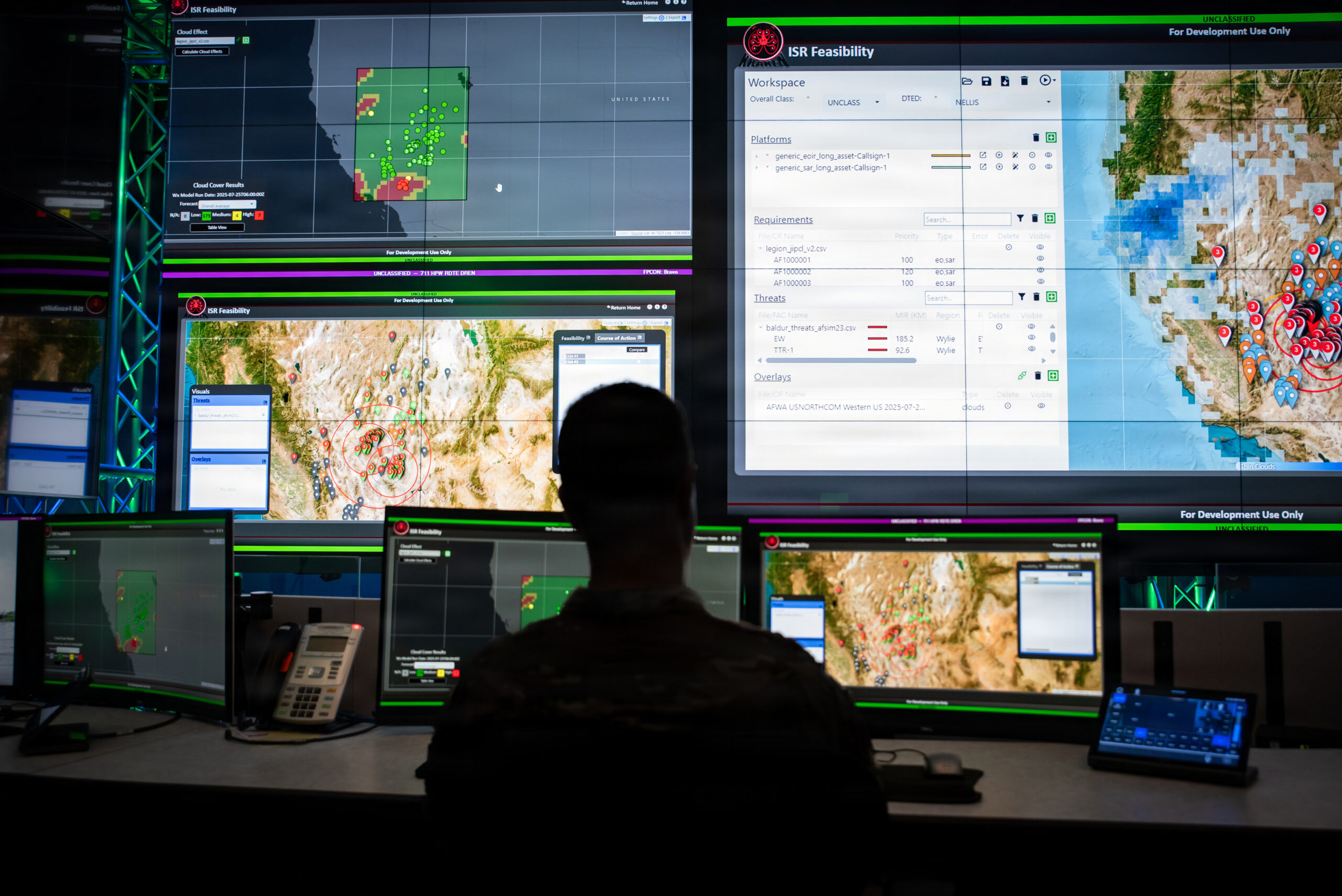
Professors Rohan Gunaratna and Arie Kruglanski consider how AI and human endeavor could combine to enhance counterterrorism efforts
The struggle against terrorism is fundamentally a contest over information, meaning, and human motivation, not just force. Terrorist organizations succeed by cultivating narratives, recruiting, and exploiting vulnerabilities. Counterterrorism must therefore disrupt networks, prevent violence, counter ideology, and address underlying motivations. Artificial intelligence (AI) offers transformative capabilities in processing information, identifying patterns, and tailoring communications, but human intelligence remains crucial for depth, contextual understanding, and ethical judgment. This essay argues for the deep complementarity of AI and human intelligence, seeing their integration as the most promising path forward.
Understanding the roles of AI and human intelligence requires recognizing how terrorism has changed. Modern terrorism is decentralized, digitized, and focused on psychological impact, with individuals often acting alone or in small, inspired cells. This makes traditional detection methods less effective. The digital environment is now central for recruitment, radicalization, propaganda, and coordination. Terrorist attacks are often symbolic, aiming to cause fear, provoke overreaction, and attract attention. This dual operational and symbolic nature presents both challenges and opportunities for counterterrorism in the AI era.
AI significantly aids in counterterrorism by processing and analyzing massive datasets, which human analysts cannot handle alone. Machine learning algorithms can identify hidden patterns and connections within financial transactions, travel records, communication metadata, and online content, revealing coordinated activities or anomalies signaling attack preparations. Beyond identifying existing patterns, AI provides predictive analytics, helping to prioritize threats and allocate resources more efficiently. It can flag behavioral indicators, like increased engagement with extremist content, to enable earlier human intervention. However, AI only identifies statistical regularities; human interpretation and decision-making are still essential.
The digital realm is a key battleground where extremist groups disseminate propaganda, recruit followers, and maintain community. The sheer scale of this activity makes manual monitoring impractical. AI uses natural language processing, image recognition, and network analysis to analyze online content on a large scale. It can identify emerging narratives, track propagandists, and detect the spread of extremist material across platforms and languages, enabling proactive counterterrorism strategies. AI also facilitates strategic counter-narrative introduction, shifting from mere censorship to engagement by addressing the underlying appeal of extremism.
AI's most innovative application in counterterrorism might be its ability to tailor messages to specific audiences. Persuasion research shows messages are more effective when aligned with an individual's identity, values, and motivations. Many individuals radicalize due to a quest for significance, which extremist narratives exploit. AI can segment audiences based on behavior and demographics to create highly targeted messages. These messages can highlight the widespread condemnation of violence, undermine romanticized portrayals of terrorism, and offer alternative pathways to significance through civic engagement, professional achievement, or community leadership, redirecting motivations into constructive channels. AI's real-time testing and refinement capabilities further enhance messaging effectiveness.
Despite its strengths, AI has limitations in counterterrorism. It lacks deep contextual understanding, struggling with sarcasm, cultural references, or ambiguous language, which can lead to misclassification and serious consequences. Bias is another challenge, as AI systems trained on historical data can perpetuate existing inequalities, leading to biased outcomes that disproportionately target certain communities and erode trust. Terrorist organizations are adaptive, constantly modifying their communication strategies using encryption, coded language, and shifting platforms to evade detection, creating an ongoing technological arms race. Furthermore, AI is limited in capturing qualitative human experiences like emotions, motivations, and interpersonal dynamics, which are crucial for understanding radicalization and cannot be fully replaced by algorithms.
While AI offers scale and speed, human intelligence provides depth, nuance, and meaning, remaining the irreplaceable core of counterterrorism. Critical successes often stem from actionable human intelligence obtained through informants, undercover operatives, and community contacts, requiring trust, empathy, and interpersonal skills. These relationships offer insights into the internal dynamics, motivations, conflicts, and vulnerabilities of terrorist groups that are not accessible digitally. Human analysts are vital for interpreting information, contextualizing data within cultural, historical, and psychological frameworks, and correcting AI errors. Human intelligence is also essential for understanding the broader social and political contexts that drive terrorism, including grievances, identities, and narratives embedded in specific cultural environments.
Counterterrorism inherently involves complex ethical dilemmas, where security measures can infringe on privacy and civil liberties, raising questions of proportionality and legitimacy. While AI can provide data and analysis to inform these decisions, it cannot bear responsibility for them. Human judgment is crucial for evaluating the ethical implications of counterterrorism actions, ensuring decisions adhere to legal frameworks and moral principles. Public trust hinges on decisions being made responsibly and accountably. The ethical challenges posed by AI, such as surveillance, bias, and transparency, necessitate human oversight to ensure these technologies are used effectively and in line with democratic values.
The most effective counterterrorism strategies seamlessly integrate AI and human intelligence. AI acts as a force multiplier, enhancing human capabilities by efficiently processing large data volumes and identifying patterns. Human analysts then interpret these patterns and make informed decisions. In counter-radicalization, this integration is particularly vital: AI can identify at-risk individuals and optimize message delivery, while human actors (like religious leaders, educators, and former extremists) provide the authenticity and credibility needed for messages to resonate. This collaborative approach leverages the strengths of both domains, mitigating their weaknesses, and recognizes that technology is most effective when guided by human insight, and human effort is greatly enhanced by technological tools.
Psychological research highlights that terrorism often appeals to individuals seeking significance. Those feeling marginalized may be drawn to narratives promising recognition and purpose through violence. Effective counterterrorism must address this core motivation. AI can identify individuals searching for meaning and tailor messages, but creating genuine alternatives demands sustained human effort. Programs offering education, employment, mentorship, and social inclusion provide constructive pathways to significance, addressing root causes of radicalization and reducing the appeal of extremist ideologies. These initiatives demonstrate that purpose can be achieved through positive societal contributions rather than violence.
As AI evolves, its role in counterterrorism will expand, with potential improvements in contextual understanding and predictive accuracy. However, new challenges, including privacy concerns, data security, and international cooperation, will emerge. The adaptive nature of terrorist organizations ensures that counterterrorism will remain a dynamic field, requiring continuous innovation, ethical vigilance, and collaboration between technological and human domains. AI will become increasingly necessary in the digital battleground where terrorism and counterterrorism are conducted, especially in protecting against online falsehoods and manipulation. Combining human judgment's contextual nuance with AI's scalability and processing power offers a multidomain framework for digital threat detection and operational decision-making, allowing human analysts to incorporate insights into ethical, strategic, and tactical considerations.
The fight against terrorism is a multifaceted endeavor, blending both technological advancements and inherent human capabilities. While AI provides unparalleled tools for data analysis, prediction, and communication, leading to more efficient interventions, the core of counterterrorism remains anchored in human relationships, sound judgment, and moral accountability. Instead of viewing AI and human intelligence as competing forces, it is far more effective to recognize their complementary nature. AI brings scale, speed, and precision to the table, while human effort contributes indispensable depth, meaning, and ethical grounding. This synergistic approach represents the most promising strategy for effectively diminishing both the operational capacity and the ideological allure of terrorism.