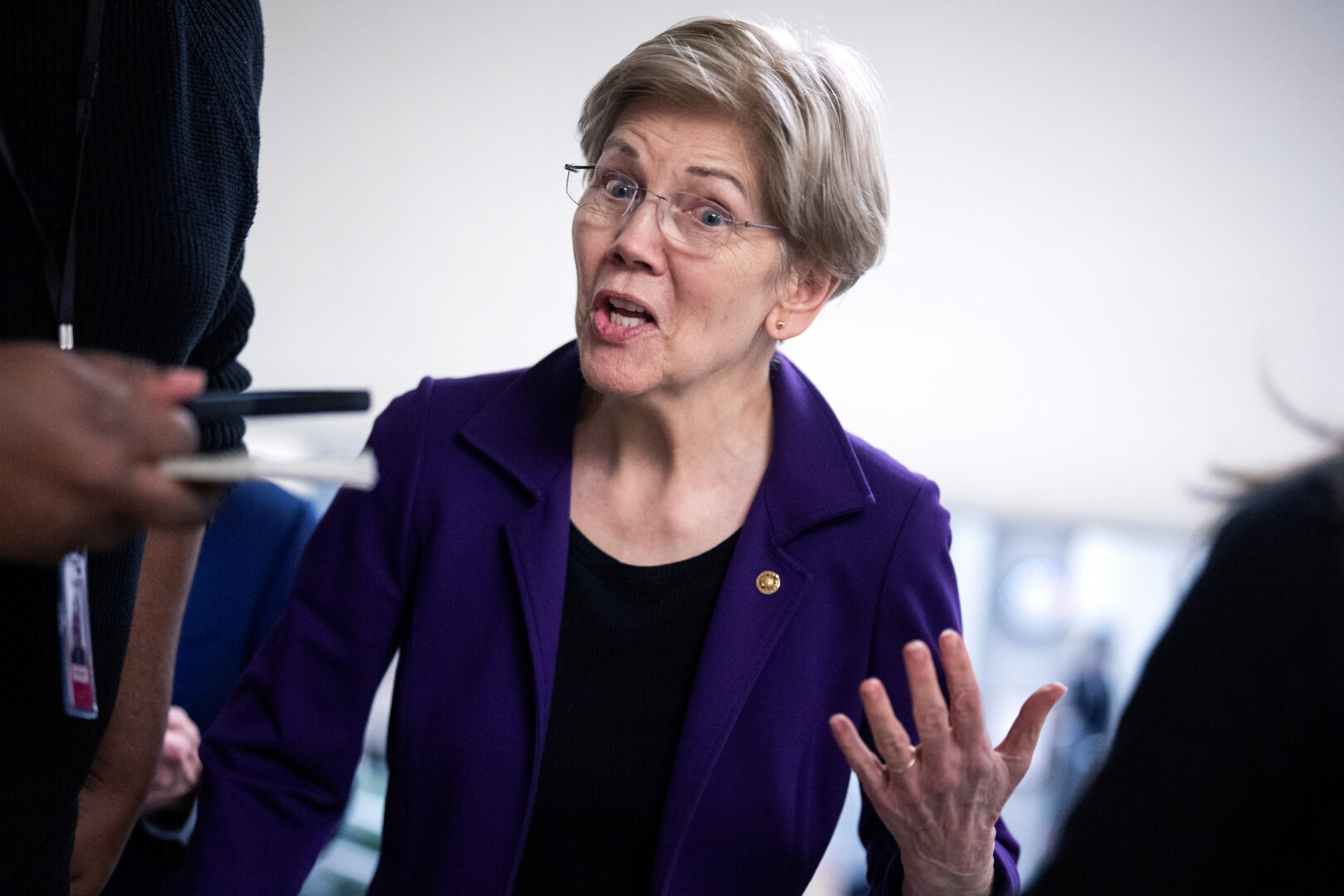
Some progressives are floating various plans to spread the wealth of the AI boom in the run-up to the midterm elections this fall, with proposals ranging from taxes on AI tokens to an excise tax on the energy used by data centers. But other stakeholders are urging a more cautious approach, and artificial intelligence companies themselves are seeking to weigh in.
Initial proposals and varying views
Progressives like Sen. Elizabeth Warren, Rep. Greg Casar, and Sen. Ron Wyden are advocating for various AI taxes, including an excise tax on data center energy and taxes on AI tokens. These proposals aim to address economic disparities and fund programs like apprenticeship schemes. Notably, Anthropic CEO Dario Amodei supports robust tax policies to mitigate potential extreme inequality caused by AI. Conversely, Republicans such as Sen. Mike Rounds express concern that taxing AI could impede U.S. development, potentially shifting innovation to other countries like China. However, some Republicans like Sen. Josh Hawley are open to guardrails and measures to ensure AI benefits the public good, without dismissing the tax option entirely.
Uncertain impact
Experts and lawmakers are divided on the immediate economic impact of AI. Andrew Lautz of the Bipartisan Policy Center suggests that while AI has the potential to be a significant disruption, its exact effects on the job market are not yet clear. OpenAI CEO Sam Altman has even indicated that the 'jobs apocalypse' he once feared seems less likely. Alex Muresianu of the Tax Foundation also notes that dire predictions about labor market changes haven't fully materialized, advocating for sticking to core tax policy principles rather than drastic measures based on uncertain outcomes.
Push toward regulation
Despite growing concerns, federal AI regulation remains distant, mirroring the slow legislative progress seen with other emerging technologies. Numerous AI-focused bills have been introduced in the 119th Congress, covering areas from regulatory sandboxes to moratoriums on data center construction, but they lack significant momentum. The White House has proposed a national AI policy framework and President Trump signed an executive order for voluntary oversight of advanced AI models. While progressives like Warren, Casar, and Wyden see an urgent need for AI taxation due to its broad societal impact, this urgency isn't universal, partly because many AI companies are not yet profitable. Increased job displacement or significant profitability by AI companies could, however, accelerate calls for more interventionist policies.