Quick Buzz Feed

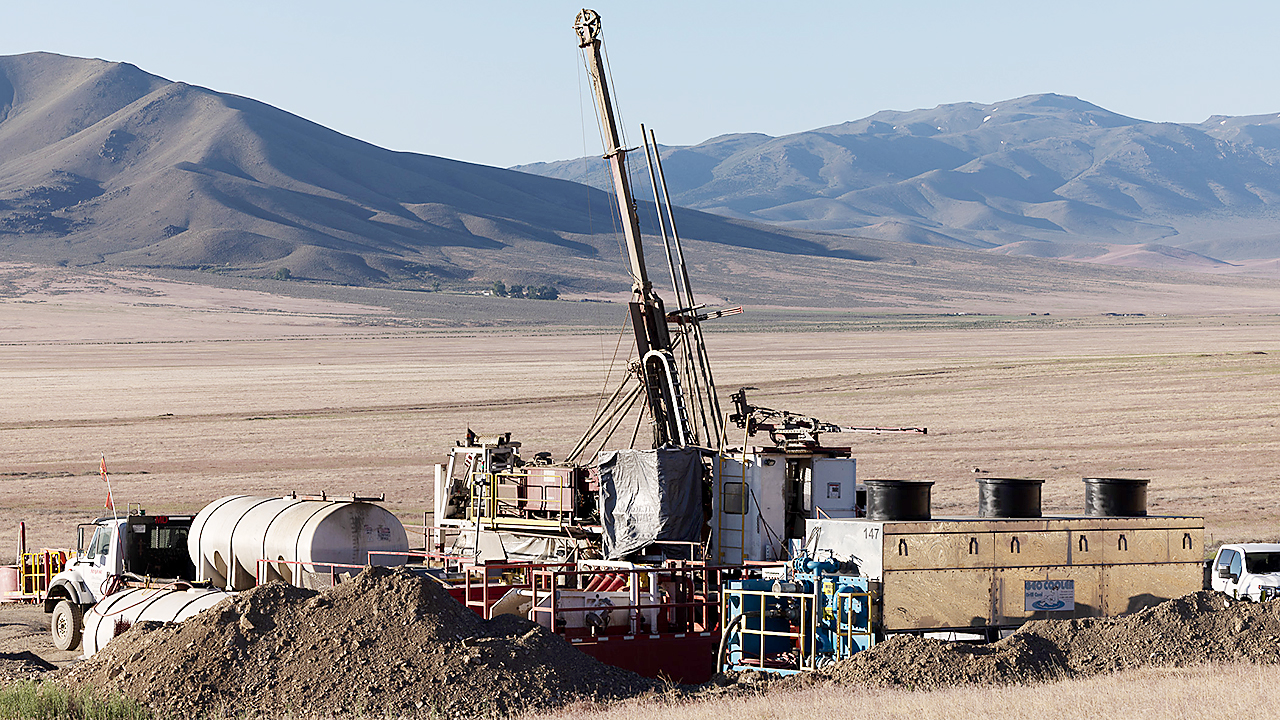
Zanskar says its AI models have made more geothermal discoveries in three years than the industry found in 30, targeting untapped U.S. energy sources.
Geothermal energy, a natural and ubiquitous resource derived from the Earth's formation and ongoing radioactive decay, has historically proven challenging to harness efficiently due to the inherent difficulty in precisely locating viable sources. Despite its widespread presence beneath the Earth's surface, accessible by drilling thousands of feet underground, a significant portion of the United States' geothermal potential remains untapped. Zanskar, a pioneering geothermal company, has introduced a revolutionary approach to this challenge through the development of advanced artificial intelligence models. These innovative AI systems are meticulously designed to accurately detect and pinpoint geothermal resources, a task that traditionally required extensive, time-consuming, and often inconclusive exploration efforts. Zanskar co-founder Joel Edwards proudly stated the unprecedented success of their technology, revealing that their AI models have facilitated more discoveries in just three years than the entire industry managed to achieve over the past three decades. This remarkable acceleration in discovery underscores a pivotal advancement in the clean energy sector, firmly establishing AI as an indispensable tool for unlocking America's vast, previously overlooked geothermal reserves and reshaping the future of sustainable energy.
Zanskar's artificial intelligence models are not merely revolutionizing the initial discovery phase of geothermal resources but are also substantially improving the overall efficiency and success rates of subsequent drilling operations. Historically, geothermal production has been fraught with considerable risks, frequently resulting in the drilling of wells that are either moderately productive, marginally viable, or entirely unproductive. Such failures significantly accumulate into the total cost of a project, thereby escalating expenses, prolonging development timelines, and deterring potential investments. Beyond these economic risks, the geothermal industry has also contended with inherent safety concerns during operations and mounting environmental scrutiny regarding potential air and water pollution, which often contribute to regulatory delays and complex operational hurdles. However, Zanskar's AI models are specifically engineered to address these long-standing issues by offering superior simulation capabilities for understanding the diverse orientations of geothermal systems. This enhanced geological comprehension allows for significantly more precise targeting of high-potential hot sources, drastically reducing the likelihood of drilling unproductive wells and effectively mitigating the associated financial and environmental risks. By making the search for and extraction of geothermal energy more accurate, reliable, and sustainable, AI is fostering a fundamentally more economically viable and environmentally responsible approach to developing this critical renewable resource.
The large-scale deployment of geothermal projects, particularly in the Western United States where a substantial portion of optimal resources is situated on federally owned land, has historically been impeded by notoriously lengthy and intricate permitting processes. These regulatory hurdles often stretch project timelines considerably, typically demanding anywhere from three to seven years for securing all necessary approvals. Recognizing the urgent national imperative to expand clean energy sources, the Interior Department has proactively implemented emergency permitting procedures aimed at significantly accelerating the review and approval processes for geothermal initiatives, aligning with broader governmental energy agendas. Joel Edwards of Zanskar highlighted the tangible positive impact of these governmental efforts to "cut red tape," noting that such measures are already yielding material benefits for various early-stage projects and signaling a more supportive environment for geothermal development. Furthermore, artificial intelligence is poised to play an increasingly pivotal role in further streamlining these regulatory processes, enhancing efficiency from the initial site identification to the final project approval. The geothermal industry is currently experiencing a transformative phase, drawing parallels to the nascent stages of oil and gas exploration over a century ago. This period is characterized by an immense, largely untapped potential, as Edwards articulated. The rapidly growing market demand for clean energy is now generating a powerful impetus for a more comprehensive, technologically advanced, and efficient exploration of geothermal resources, positioning it for a significant expansion.
As artificial intelligence continues its rapid advancements and deeper integration across various industrial sectors, its role in accelerating the discovery and development of new energy resources, particularly geothermal, presents a landscape brimming with both immense opportunities and complex challenges. A paramount concern revolves around the immediate and long-term implications of this energy transformation on the existing electric grid infrastructure. The seamless transition to and effective integration of new, AI-optimized energy sources necessitate meticulous planning and substantial modernization of the grid to ensure stability, reliability, and security of power supply. However, forward-thinking industry leaders, such as Exelon CEO Calvin Butler, perceive this evolving scenario not as an insurmountable obstacle but rather as a compelling opportunity for groundbreaking innovation and collaborative growth. Butler emphatically underscored the importance of active engagement, stressing that stakeholders must proactively partner with technology providers to strategically leverage AI's potent capabilities effectively, rather than adopting a passive stance towards its inevitable evolution. The overarching objective is to harness AI to enhance overall operational efficiency, improve predictive accuracy, and optimize outcomes across the entire energy sector. This forward-looking perspective highlights a resolute commitment to fostering mutually beneficial scenarios through strategic alliances and proactive participation, thereby ensuring that the next critical wave of energy transformation is managed responsibly, sustainably, and maximizes benefits for all involved parties, paving the way for a more robust and resilient energy future.