Artificial intelligence is here to stay, and as unionists, we should feel just as confident harnessing the power of AI as we do harnessing the power of our collective voices.
Affordability Rising electricity costs in communities, largely driven by the rapid expansion of energy-hungry data centers, directly impact union members' affordability by eating away at negotiated wage gains. Student safety and advocacy AI tools for drafting education plans for students with disabilities, while promising efficiency, pose risks to privacy and the quality of support by potentially missing critical student context without human input. Staffing and workload Employers are increasingly using AI to justify reducing clerical and support staff across educational institutions, intensifying workloads. AI-driven decisions for tasks like cleaning ratios and bus routes often fail to account for real-world needs and can leave students in difficult situations. Acknowledge reality Artificial intelligence is not a future concept but a current reality that is already permeating nearly every aspect of our work and daily lives. Build collective knowledge It is essential for workers to educate themselves about both the potential risks and possibilities of AI, understanding not just how to utilize it, but also when to critically question its application and push back against its implementation. Demand a voice Workers must have a crucial role in decision-making processes regarding how AI is procured, introduced, implemented, used, and governed within their workplaces, especially concerning data privacy and job protections.
Affordability
Rising electricity costs in communities, largely driven by the rapid expansion of energy-hungry data centers, directly impact union members' affordability by eating away at negotiated wage gains.
Student safety and advocacy
AI tools for drafting education plans for students with disabilities, while promising efficiency, pose risks to privacy and the quality of support by potentially missing critical student context without human input.
Staffing and workload
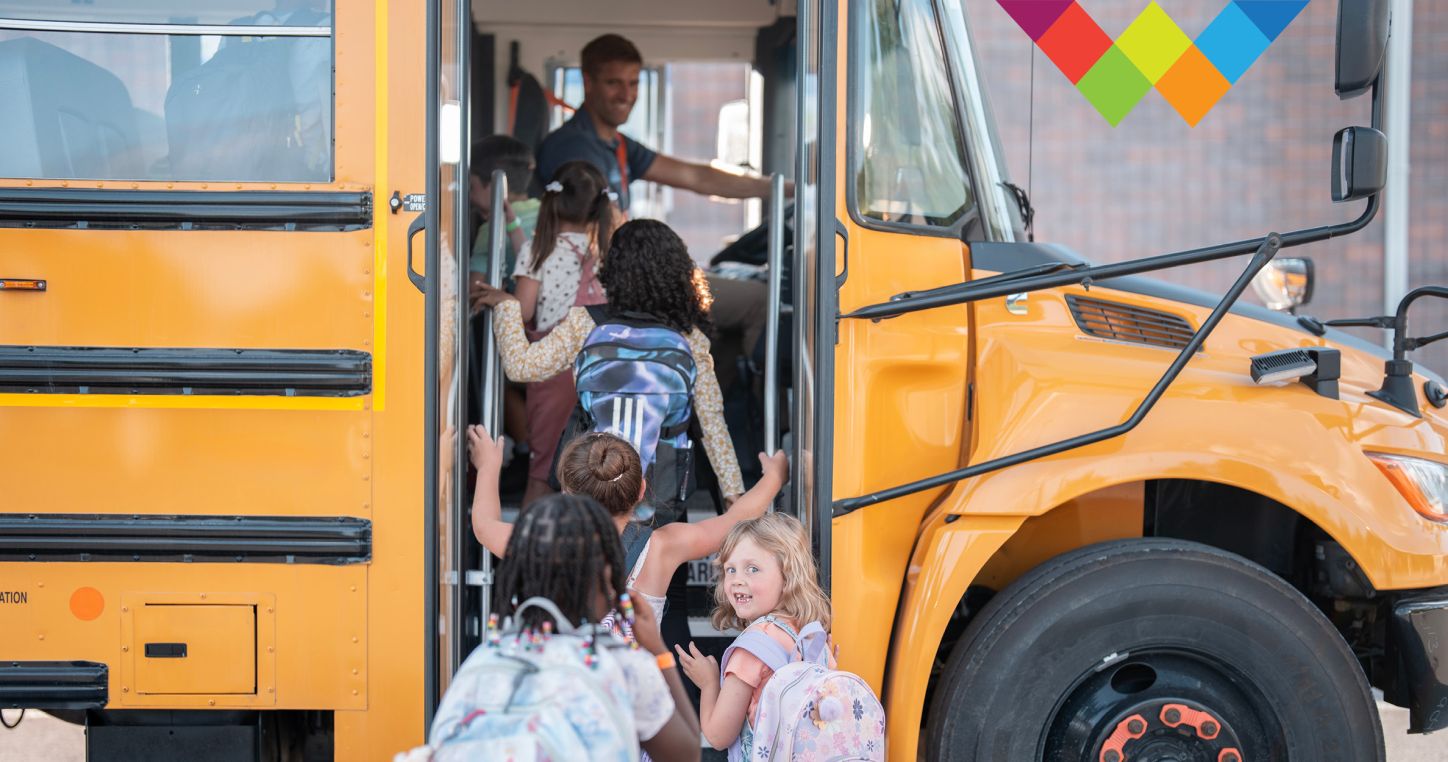
Employers are increasingly using AI to justify reducing clerical and support staff across educational institutions, intensifying workloads. AI-driven decisions for tasks like cleaning ratios and bus routes often fail to account for real-world needs and can leave students in difficult situations.
Acknowledge reality
Artificial intelligence is not a future concept but a current reality that is already permeating nearly every aspect of our work and daily lives.
Build collective knowledge
It is essential for workers to educate themselves about both the potential risks and possibilities of AI, understanding not just how to utilize it, but also when to critically question its application and push back against its implementation.
Demand a voice
Workers must have a crucial role in decision-making processes regarding how AI is procured, introduced, implemented, used, and governed within their workplaces, especially concerning data privacy and job protections.