Quick Buzz Feed

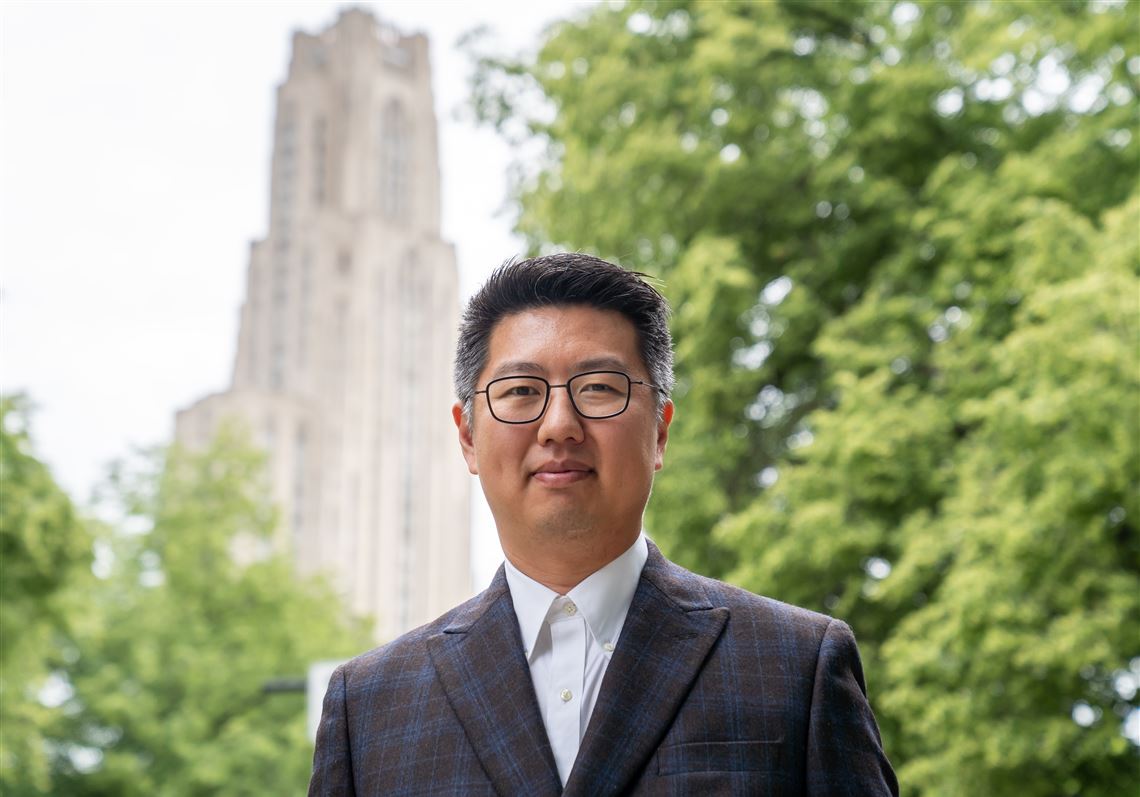
Mark Ma, an associate professor of business administration at the University of Pittsburgh, has co-created the AI Sentiment Tracker. This tool uses various data sources to gauge the workforce's feelings about artificial intelligence across individual, company, and regional levels. Ma emphasizes that while students protest AI, its adoption is inevitable and individuals should focus on developing AI skills to remain competitive in the job market, despite the real concerns about job displacement in the coming years.
The concern over job displacement due to AI is very real, especially within the next five to ten years. The cost of adopting AI is expected to decrease significantly, making it more accessible for companies to replace human labor with AI. If management strategies do not evolve, more layoffs are anticipated. While there's an argument that AI will create new jobs, the specific nature of these jobs remains unclear, even to industry leaders like Nvidia's CEO, Jensen Huang, who suggests using imagination rather than providing concrete answers. The potential for new job creation is likely to be fractional compared to the jobs that will be lost.
New jobs created by AI are expected to be far fewer than the jobs that will be eliminated. The idea of transitioning to trade jobs like plumbing or electrical work is popular, but if a large number of displaced workers pursue these fields, it could saturate the market and increase competition. Addressing these societal shifts will likely require public policy changes, but such changes typically only occur after a crisis, when mass unemployment and financial hardship force politicians to act. Despite the bumpy path ahead, there's optimism for a long-term equilibrium where AI benefits society, provided there is preparation for the interim challenges.
The period of massive layoffs is projected to occur within five to ten years, followed by necessary policy changes that will eventually lead to the benefits of AI. Ideally, ongoing monitoring of unemployment issues could inform a long-term plan, such as gradually reducing the work week from 40 to 35 hours once unemployment hits a certain threshold (e.g., 10%). This approach would aim to reduce labor supply as demand decreases, maintaining a new equilibrium with stable wages and full employment. Proactive measures are crucial for a smoother transition.
The AI Sentiment Tracker aims to capture sentiments towards AI from multiple perspectives: individual, company, regional, and economic levels. A key focus is on employees, who are at the forefront of this revolution, being asked to use AI while simultaneously facing the threat of replacement. Employee sentiment regarding AI-related issues is significantly more pessimistic than their overall sentiment towards their firms. The most prominent negative concern is job security, as employees observe companies increasingly incorporating layoffs into their AI adoption strategies, creating a sense of competition for survival.
In contrast to employees, managers tend to be very optimistic about AI. There's a notable disconnect between management and employee sentiment at the firm level, suggesting managers may not fully grasp the employee perspective. While managers anticipate significant benefits from AI, these benefits often fail to materialize in many companies. Research from the tracker indicates that employee sentiment strongly correlates with firm productivity, whereas management sentiment does not. This suggests that negative employee feelings, stemming from job security concerns and insufficient upskilling opportunities, are detrimental to overall productivity.
Students and the workforce should prioritize developing strong AI skills. While protesting AI is understandable and important for voicing concerns, public policy shifts to address the negative impacts of AI are expected to lag until a critical level of unemployment is reached. Therefore, individuals should simultaneously advocate for policy changes and proactively enhance their AI proficiency to maximize their competitiveness in the evolving job market. Delaying AI adoption is not an option; embracing and mastering these tools will be essential for future careers.