Quick Buzz Feed

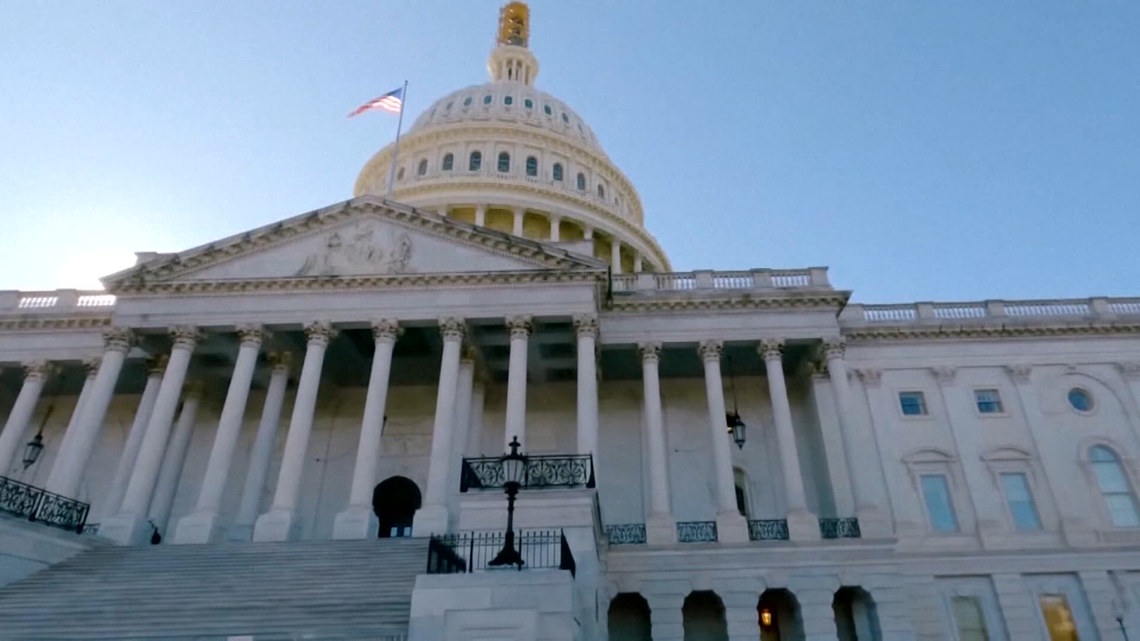
The article, prominently titled 'Battle to regulate artificial intelligence grows in DC,' casts a critical eye on the intensifying debate and burgeoning legislative efforts surrounding the control and governance of Artificial Intelligence within the political epicenter of Washington D.C. This discourse is characterized by a dual and often conflicting dynamic: on one side, influential figures and thought leaders from the technology industry itself are increasingly vocal in their appeals for stringent safety regulations and ethical guidelines. Their advocacy stems from a deep-seated understanding and firsthand experience of AI's profound and rapidly expanding capabilities, which, while promising immense societal benefits, also pose significant risks. These risks span a wide spectrum, including critical ethical considerations, pervasive data privacy concerns, the potential for malicious misuse of AI technologies, and broader societal impacts such as algorithmic bias, job market disruption, and the erosion of democratic processes through misinformation. These industry insiders, having witnessed the rapid evolution and growing autonomy of sophisticated AI systems, recognize the critical need for a structured and anticipatory regulatory framework to guide its development responsibly, emphasizing the paramount importance of preventing unforeseen and potentially catastrophic consequences, and crucially, rebuilding and ensuring sustained public trust in AI technologies. Conversely, the highly politicized corridors of power in D.C. are bustling with incessant activity from well-funded and strategically positioned lobbying groups representing a diverse array of technology giants and their vested interests. These powerful lobbyists are actively engaging with key legislators, influential policymakers, and various regulatory bodies to shape the content, scope, and ultimate direction of proposed bills and foundational policies related to AI. Their primary objectives typically revolve around influencing the regulatory landscape to align favorably with their corporate interests, which may include advocating for less restrictive innovation policies to foster rapid technological advancement, robustly protecting proprietary algorithms and intellectual property, safeguarding existing market dominance, or minimizing burdensome compliance requirements that could impede growth or profitability. This often creates a complex and challenging web of influence where the more altruistic calls for universal safety and ethical deployment from some tech leaders can frequently clash with the entrenched economic and strategic imperatives aggressively pushed by corporate lobbying efforts, leading to protracted legislative battles. The burgeoning legislative momentum highlighted in the article signifies a broader, interconnected global trend as governments and international organizations worldwide urgently grapple with how to effectively manage the exponential growth of AI without inadvertently stifling the very innovation it represents. Key areas of intense concern in D.C. currently include establishing clear and enforceable accountability mechanisms for autonomous AI-driven decisions, developing universally accepted technical standards for robust data security and privacy within AI systems, proactively addressing the profound societal implications of advanced automation, and formulating coherent national strategies to maintain a competitive edge in the global race for AI leadership. The article unequivocally implies that this is not merely a technical discussion confined to laboratories but a deeply political and socio-economic one, involving high-stakes negotiations, complex ethical dilemmas, and the delicate balancing of unprecedented economic opportunities against potentially existential risks. The ultimate outcome of this multifaceted 'battle' will undoubtedly shape the fundamental trajectory of AI development and its ubiquitous integration into nearly every facet of human life, meticulously determining whether it evolves under controlled, transparent, and ethical guidelines or in a more fragmented, laissez-faire environment driven primarily by unfettered commercial interests. The ongoing legislative efforts in Washington D.C. are therefore undeniably crucial for defining the future relationship between transformative technology, democratic governance, and the well-being of society at large.
Read More