Quick Buzz Feed

Abbotsford PD is one of 16 law enforcement agencies taking part in the project.
British Columbia has embarked on a groundbreaking pilot project designed to tackle its severe toxic-drug crisis. This innovative initiative leverages cutting-edge artificial intelligence (AI) technology in conjunction with advanced forensic robotics. The primary objective of this comprehensive project is to meticulously monitor, track, and ultimately predict dynamic shifts and emerging patterns within the complex and ever-evolving illicit drug market. This forward-thinking approach aims to provide a more proactive response to a public health emergency that has proven increasingly challenging to manage through conventional methods.
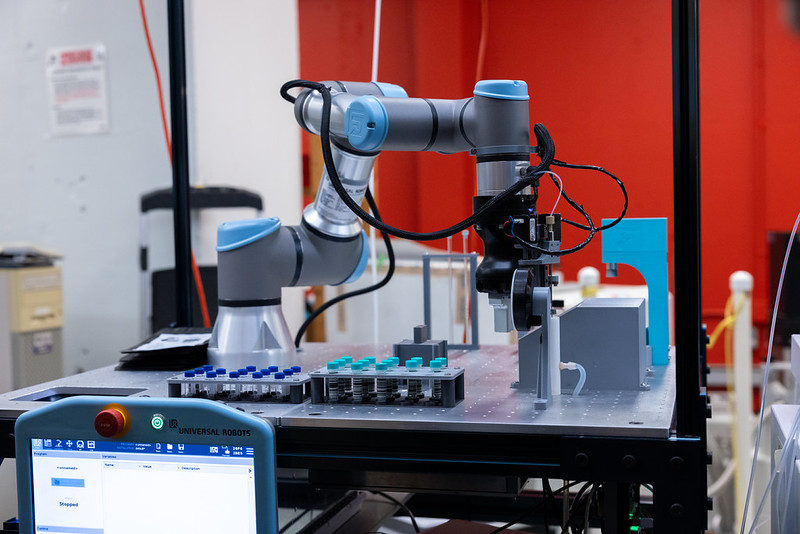
At the heart of this provincial effort is a sophisticated tool named "Track and Trace." This system was collaboratively developed by Aidos Innovations, a prominent non-profit science institute, and esteemed researchers from the University of British Columbia. The operational mechanism of "Track and Trace" involves two key technological components. Firstly, specialized lab robotics are employed to conduct in-depth chemical analyses of substances confiscated by law enforcement agencies. This forensic data, detailing the exact chemical composition of the seized drugs, is then securely uploaded into a centralized database. Once stored, advanced AI algorithms continuously process and analyze this vast dataset, diligently identifying and flagging any changes, trends, or new dangerous compounds appearing in the street drug supply. This robust analytical capability provides an unprecedented level of insight into the clandestine drug trade.
The implementation of the "Track and Trace" system is expected to yield several critical benefits in British Columbia's fight against the toxic-drug crisis. One of its primary goals is to accurately map out the distribution networks and specific points within the illicit market where drugs are being circulated. Furthermore, the system is engineered to automatically detect and flag any emerging public-health concerns, such as the sudden appearance of highly potent or novel substances. According to Nina Krieger, B.C.’s Public Safety Minister, the illicit drug supply has been evolving at a pace that outstrips traditional warning systems. She emphasizes that "Track and Trace" will deliver "clear insights into supply changes and risks," significantly enhancing the province's ability to coordinate effective responses across various jurisdictions in B.C. This improved understanding and coordination are vital for developing more targeted and timely interventions to save lives.
British Columbia proudly stands as the pioneering province to pilot this advanced "Track and Trace" tool, marking a significant step in its public safety and health strategy. To support this crucial undertaking, the provincial government has committed substantial funding, allocating $300,000 annually to the project for the next two years. This financial investment underscores the province's dedication to employing innovative solutions in addressing the drug crisis. Currently, the pilot project has garnered participation from 16 different law enforcement departments across B.C. Notable participating agencies include the Abbotsford Police Department and the Delta Police Department, highlighting the collaborative, province-wide effort to leverage technology for a safer community and more effective public health interventions.