Quick Buzz Feed

From vegetation scans to 360-degree smoke detectors, new tools are trying to shine a light on the most dangerously dark areas of the electric grid
Wildfire prevention has traditionally relied on broad, less precise methods such as scheduled inspections and emergency power shutoffs. However, the increasing severity and frequency of wildfires necessitate a more sophisticated approach. In 2025 alone, over 77,000 wildfires were reported in the U.S., burning more than five million acres and straining firefighting resources. With recurring droughts and a warming climate, wildfires have become an almost year-round threat, making their prediction incredibly challenging due to various factors like weather conditions, vegetation types, electric grid infrastructure, and human activities. This critical situation is driving the demand for innovative solutions, leading a new wave of technology start-ups to propose artificial intelligence as a targeted tool to help utility companies proactively identify high-risk areas and intervene effectively before small sparks escalate into devastating blazes. The goal is to move beyond reactive measures to a more predictive and preventative strategy facilitated by AI, recognizing that the traditional 'blunt tools' are no longer sufficient to cope with the escalating crisis.
One significant challenge in wildfire prevention, particularly in high-risk areas like California, is vegetation contact with power lines, which is a major cause of utility-ignited fires. Overstory, an Amsterdam-based company, is addressing this by employing AI-powered vegetation monitoring. Historically, utility companies used labor-intensive and costly methods like sending crews to walk power lines or flying helicopters with lidar technology to map terrain. These conventional approaches proved to be slow, expensive, and often inefficient in covering vast and complex landscapes. Overstory offers a more efficient alternative: it acquires high-resolution satellite imagery of a utility company's power network and applies proprietary computer-vision models. These models analyze critical factors such as tree height, encroachment onto power lines, vegetation health, mortality, and the presence of combustible elements like dead grasses, shrubs, and moisture levels. The aim is not to replace human decision-makers but to provide utility companies with precise, map-based insights, enabling them to strategically deploy crews to the areas most in need of vegetation management. This targeted approach has shown promising results; for instance, Pacific Gas and Electric (PG&E), an Overstory client, reported a nearly 50 percent reduction in vegetation-related ignitions in 2025 compared to the previous year. However, this technology has limitations, as satellite imagery provides snapshots rather than real-time data, and a 'human in the loop' remains essential for final decisions due to inherent modeling uncertainties.
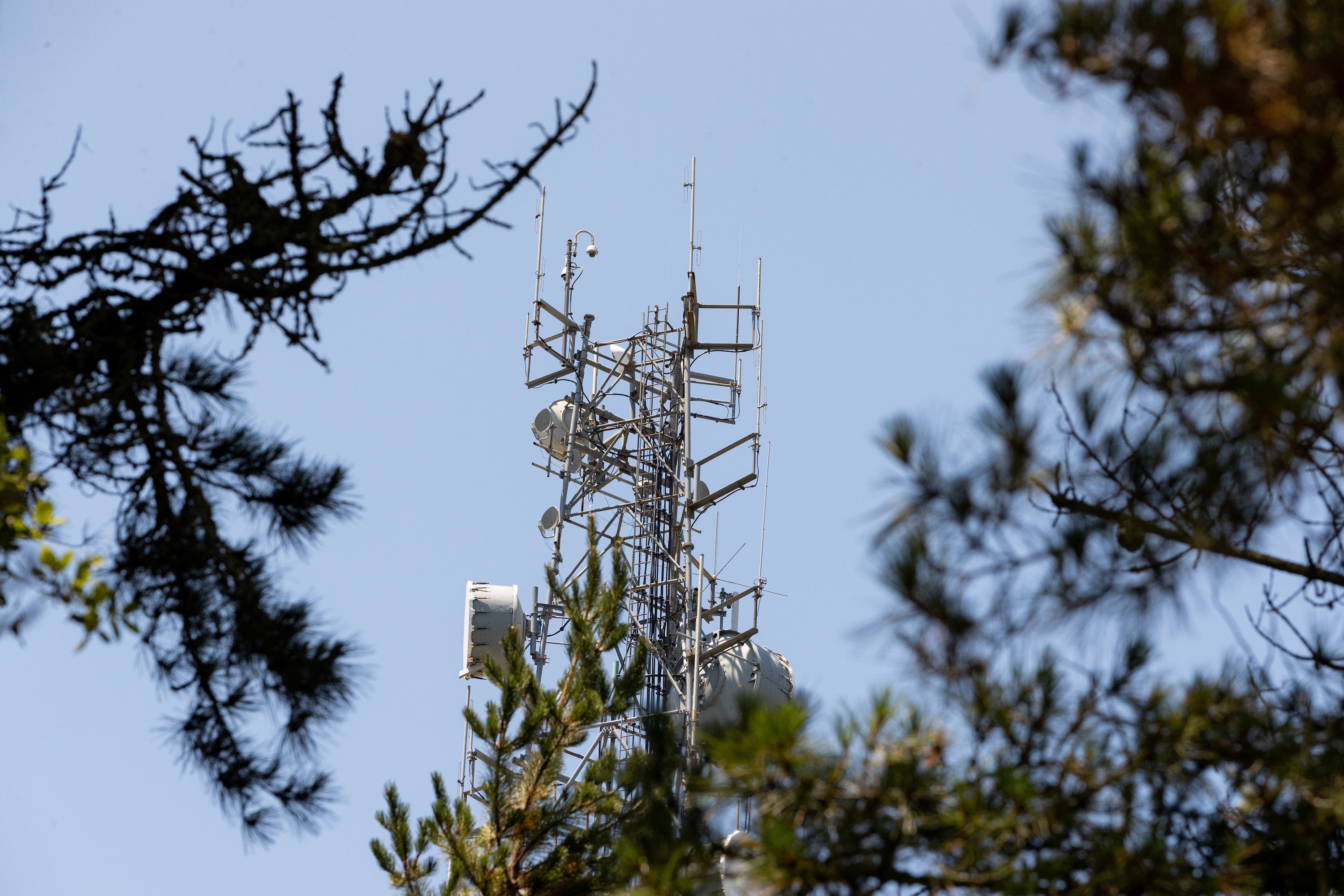
Beyond prevention, a crucial aspect of wildfire management is rapid detection. The emerging 'firetech' sector is heavily investing in AI-powered detection tools that offer real-time monitoring capabilities. Pano AI, a San Francisco-based company, has developed advanced pan-tilt-zoom cameras capable of continuous 360-degree scanning. These cameras upload images 24/7 to cloud-based AI systems that are trained to identify anomalies, specifically looking for smoke during the day and distinct heat signatures at night. To enhance accuracy and context, these AI monitors integrate additional data feeds, including geostationary satellite information and inputs from emergency services. A critical human element is maintained in the process: human experts cross-reference AI detections with actual camera footage to distinguish between genuine smoke and potential false positives like fog, dust, or clouds. Once a fire is verified by a human analyst, immediate alerts are dispatched via text and email to relevant authorities. This technology has proven highly effective in shortening response times. Arizona Public Service (APS), Arizona's largest utility, reported that Pano AI has consistently outperformed 911 callers, enabling firefighters to respond 10 to 25 minutes faster, allowing for earlier intervention. Despite its effectiveness, the technology has constraints, primarily requiring a clear line of sight for cameras and being limited to areas where cameras have been strategically installed.
The advancements in AI-powered wildfire detection are significantly rooted in academic research and public safety collaborations. One notable initiative is ALERTCalifornia, a public safety program led by the University of California, San Diego. This program leverages cameras and AI to assist local fire departments in real-time confirmation of wildfires. Traditionally, fire detection often commenced with 911 calls, which necessitated dispatching a battalion to verify the fire's existence, a process that consumed valuable time and resources, leading to potential delays in response. With ALERTCalifornia's AI-enabled detection system, fires can now be identified and observed even before emergency calls are placed, bypassing the initial verification phase. According to Neal Driscoll, ALERTCalifornia's principal investigator, this system has dramatically reduced response times. The fundamental hope driving these innovations is that by significantly cutting down the time it takes to detect and confirm a wildfire, firefighters can engage sooner, thereby increasing the likelihood of containing fires while they are still small, ultimately leading to reduced damage, fewer resources expended, and greater public safety across fire-prone regions. This showcases the vital role of academic contributions in developing practical, life-saving technologies.