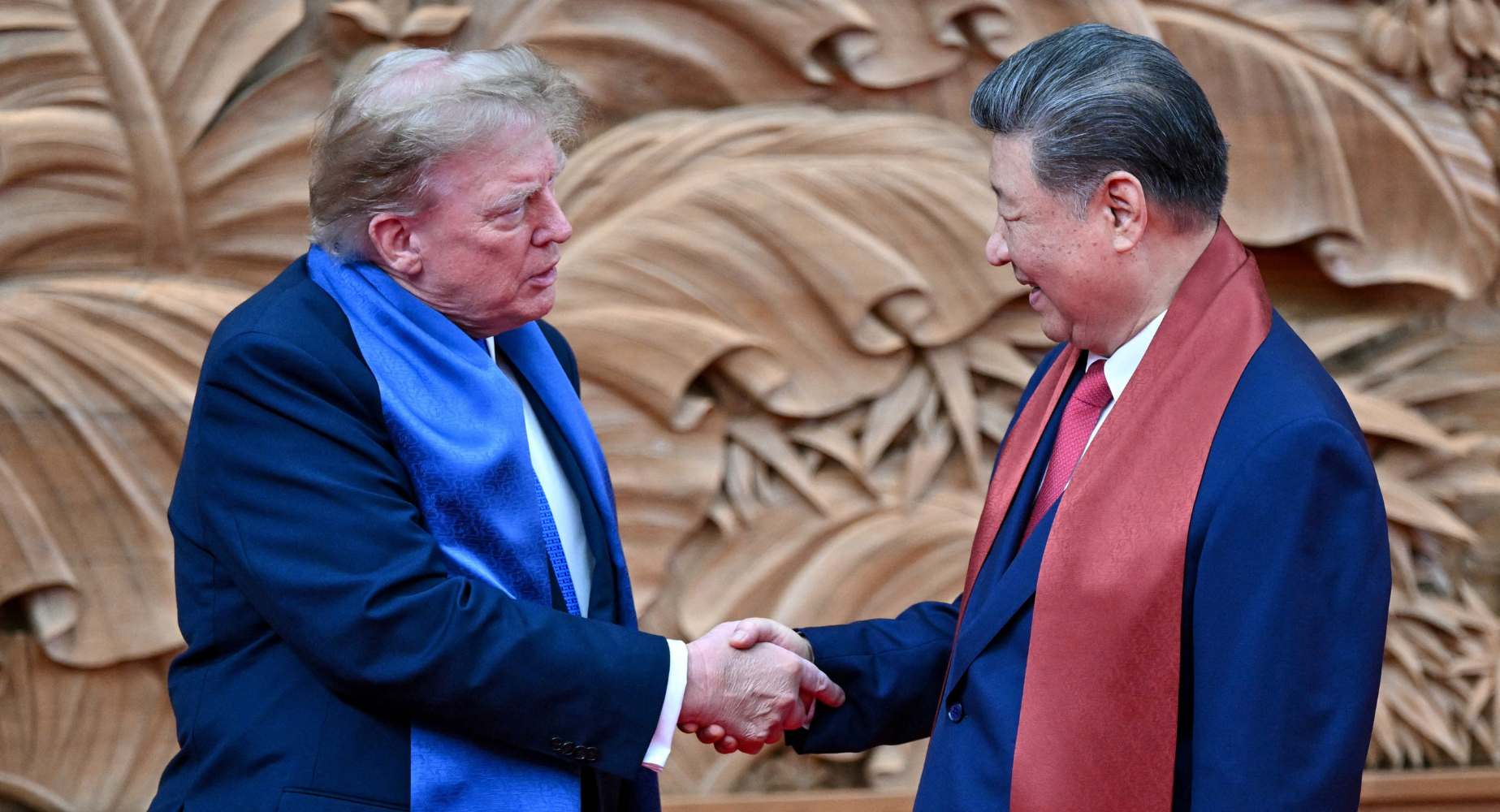
This essay explores whether the United States and China can cooperate to control Artificial Intelligence (AI) with military applications, drawing parallels to nuclear arms control between the US and the Soviet Union, but ultimately concluding that such cooperation is unlikely due to fundamental differences in technology maturity, ownership, civilian applications, verification challenges, and proliferation issues.
The Nuclear Analogy and AI's Unlikelihood The article begins by drawing a parallel between the historical development of nuclear weapons and the subsequent arms control efforts between the United States and the Soviet Union, and the current rise of Artificial Intelligence (AI) with military applications, dominated by the US and China. It questions whether these two rival powers might similarly find common ground to control AI. However, it quickly posits that despite the desirability of such an outcome, it is unlikely due to several fundamental differences between nuclear technology and AI. AI's Immature Technology vs. Mature Nuclear Tech A key difference highlighted is the maturity of the technology. Nuclear weapons had reached a mature state by the time arms control discussions began in the 1970s, with basic innovations already established and integrated into military forces. This allowed for stable agreements based on a predictable status quo. In contrast, AI in 2026 is far from exhausted in its technical possibilities, with its future trajectory uncertain. This inherent uncertainty makes both the American and Chinese governments less inclined to impose strict limits on AI development compared to the historical precedent of nuclear arms control. Private Sector Control and Broader Civilian Applications Unlike nuclear weapons, which were created and controlled by governments from the outset, American AI largely originates from the private sector. While the US federal government has broad national security powers, it cannot arbitrarily seize private AI assets to fulfill international agreements, unlike state-controlled nuclear programs. Furthermore, nuclear fission and fusion had minimal civilian applications initially, limiting economic disincentives for control. AI, however, already plays a vital and potentially transformative role in the global economy, meaning that limiting its development could impose very high costs on society, serving as a powerful disincentive for arms control. The Challenge of Verification for AI Effective verification was crucial for Soviet-American nuclear arms control, enabled by earth-orbiting satellites that could reliably track and count large physical assets like ballistic missiles. This allowed for a degree of trust in agreements, despite Soviet secrecy. For AI, which consists of vast digital networks and complex, often opaque algorithms, devising a reliable verification regime is exceedingly difficult. It's hard to conceive what such a regime would look like or how it could be implemented, especially given the US's distrust of Beijing's promises, making mutual assurance nearly impossible. Proliferation and Ineffective Protection Against AI Threats The article also addresses the problem of proliferation. Nuclear proliferation was remarkably slow due to the technical difficulty of building weapons and the security guarantees offered by the US to allies through the Nonproliferation Treaty (NPT). Neither of these conditions applies to AI. Open-weight AI models are spreading rapidly, and it is technically easier for various actors to acquire potent versions. Crucially, neither the United States nor China can offer the kind of protection against AI-produced 'mischief' that limited nuclear weapons diffusion, partly because the nature of such protection is still unclear. Modest Military Advances and the Separate Existential Risk Despite the infeasibility of AI arms control, the article suggests its absence may not lead to catastrophic consequences on the scale of nuclear war. Nuclear weapons represented an unprecedented leap in destructive potential, capable of destroying entire cities. AI, by contrast, offers more modest advances in military activities, primarily improving speed and accuracy, which have been incrementally enhancing throughout the digital era. While AI raises ethical and strategic questions regarding autonomous attacks, it doesn't pose the same existential risk from sheer destructive power. The hypothetical existential threat of super-intelligent AI (e.g., the 'paper clip problem') is presented as a separate, global challenge that both the US and China have profound incentives to prevent, independent of their rivalry. Both governments are expected to take necessary steps to avert such a disaster, emphasizing national survival over geopolitical competition.
The Nuclear Analogy and AI's Unlikelihood
The article begins by drawing a parallel between the historical development of nuclear weapons and the subsequent arms control efforts between the United States and the Soviet Union, and the current rise of Artificial Intelligence (AI) with military applications, dominated by the US and China. It questions whether these two rival powers might similarly find common ground to control AI. However, it quickly posits that despite the desirability of such an outcome, it is unlikely due to several fundamental differences between nuclear technology and AI.
AI's Immature Technology vs. Mature Nuclear Tech
A key difference highlighted is the maturity of the technology. Nuclear weapons had reached a mature state by the time arms control discussions began in the 1970s, with basic innovations already established and integrated into military forces. This allowed for stable agreements based on a predictable status quo. In contrast, AI in 2026 is far from exhausted in its technical possibilities, with its future trajectory uncertain. This inherent uncertainty makes both the American and Chinese governments less inclined to impose strict limits on AI development compared to the historical precedent of nuclear arms control.
Private Sector Control and Broader Civilian Applications
Unlike nuclear weapons, which were created and controlled by governments from the outset, American AI largely originates from the private sector. While the US federal government has broad national security powers, it cannot arbitrarily seize private AI assets to fulfill international agreements, unlike state-controlled nuclear programs. Furthermore, nuclear fission and fusion had minimal civilian applications initially, limiting economic disincentives for control. AI, however, already plays a vital and potentially transformative role in the global economy, meaning that limiting its development could impose very high costs on society, serving as a powerful disincentive for arms control.
The Challenge of Verification for AI
Effective verification was crucial for Soviet-American nuclear arms control, enabled by earth-orbiting satellites that could reliably track and count large physical assets like ballistic missiles. This allowed for a degree of trust in agreements, despite Soviet secrecy. For AI, which consists of vast digital networks and complex, often opaque algorithms, devising a reliable verification regime is exceedingly difficult. It's hard to conceive what such a regime would look like or how it could be implemented, especially given the US's distrust of Beijing's promises, making mutual assurance nearly impossible.
Proliferation and Ineffective Protection Against AI Threats
The article also addresses the problem of proliferation. Nuclear proliferation was remarkably slow due to the technical difficulty of building weapons and the security guarantees offered by the US to allies through the Nonproliferation Treaty (NPT). Neither of these conditions applies to AI. Open-weight AI models are spreading rapidly, and it is technically easier for various actors to acquire potent versions. Crucially, neither the United States nor China can offer the kind of protection against AI-produced 'mischief' that limited nuclear weapons diffusion, partly because the nature of such protection is still unclear.
Modest Military Advances and the Separate Existential Risk
Despite the infeasibility of AI arms control, the article suggests its absence may not lead to catastrophic consequences on the scale of nuclear war. Nuclear weapons represented an unprecedented leap in destructive potential, capable of destroying entire cities. AI, by contrast, offers more modest advances in military activities, primarily improving speed and accuracy, which have been incrementally enhancing throughout the digital era. While AI raises ethical and strategic questions regarding autonomous attacks, it doesn't pose the same existential risk from sheer destructive power. The hypothetical existential threat of super-intelligent AI (e.g., the 'paper clip problem') is presented as a separate, global challenge that both the US and China have profound incentives to prevent, independent of their rivalry. Both governments are expected to take necessary steps to avert such a disaster, emphasizing national survival over geopolitical competition.