Quick Buzz Feed

The city of Chicago has signed a written agreement to explore ways to use artificial intelligence in road operations in an effort to improve safety and increase cost efficiency.
The city of Chicago has formally committed to exploring the integration of artificial intelligence into its critical road infrastructure and operational processes. This commitment was solidified through a written agreement. During a recent conference, Mayor Brandon Johnson voiced strong support for this technological endeavor, emphasizing its dual benefits: significantly enhancing driver safety across the city's roads and achieving greater cost efficiency within the Department of Fleet and Facility Management. This strategic initiative underscores Chicago's dedication to adopting innovative solutions for the betterment of its urban services and public welfare.
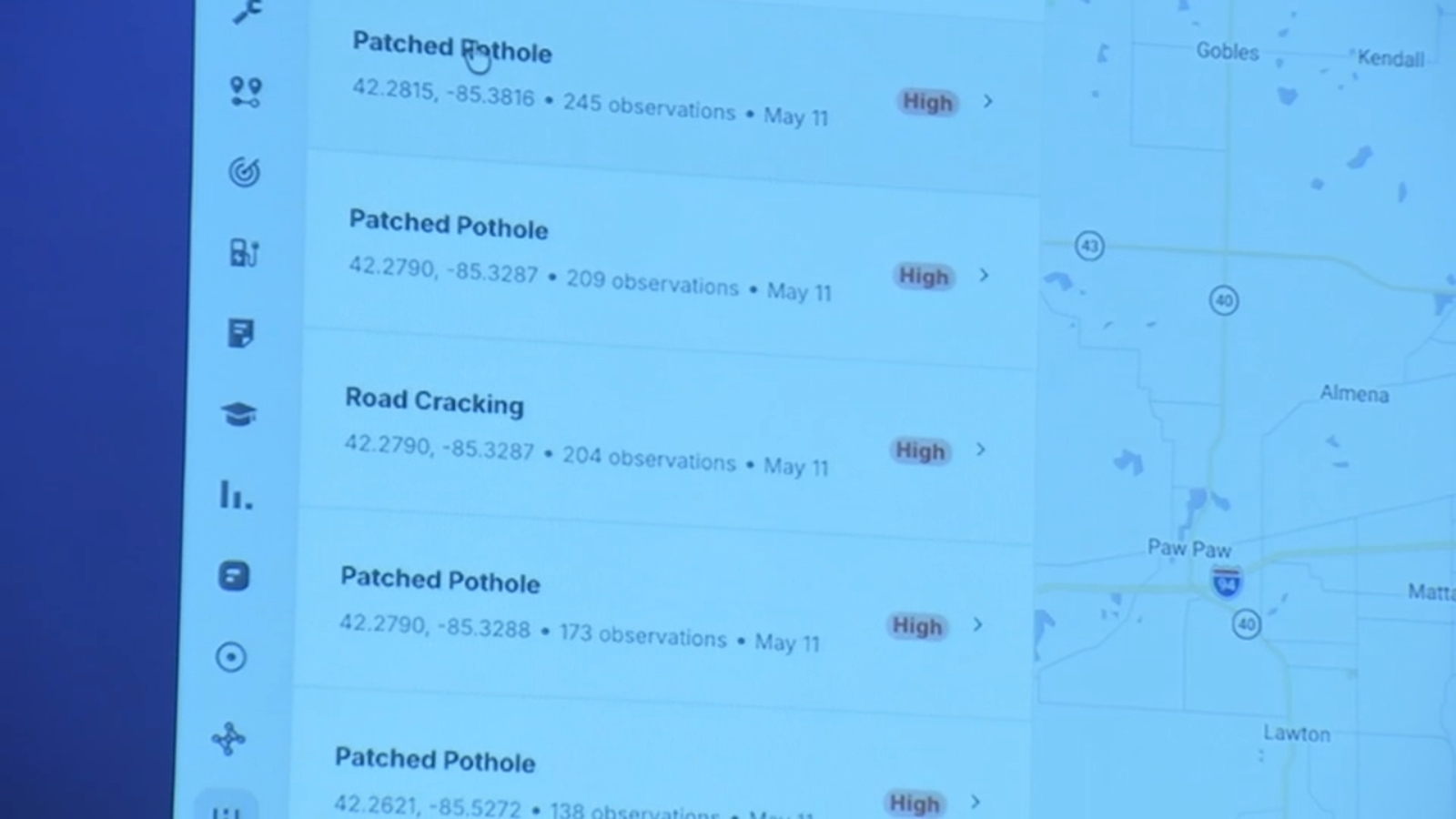
Samsara, identified as the key technology provider, has presented its suite of AI-powered solutions to the city. Among these, a new pothole detection tool was highlighted, showcasing its ability to employ advanced sensors and video technology to precisely locate and map potholes across Chicago. This capability is expected to enable the city to log these defects accurately and respond with prompt and efficient repair efforts. Furthermore, the company proposed expanding these AI applications to streamline and modernize other vital municipal services, such as snow removal and trash collection, aiming to optimize their efficiency and resource allocation.
Beyond improvements to road infrastructure, Samsara also unveiled advanced safety features specifically tailored for school bus drivers. These AI-driven tools possess the capacity to detect indicators of driver drowsiness, thereby addressing a critical aspect of road safety by preventing accidents caused by impaired alertness. Emphasizing the reliability and effectiveness of their platform, Samsara executives highlighted its successful track record in several other municipalities. These include Kalamazoo in Michigan, the bustling city of New Orleans in Louisiana, and Tulsa in Oklahoma, demonstrating the technology's practical and beneficial application in diverse urban settings.
Mayor Johnson articulated Chicago's steadfast commitment to embracing innovation, viewing the prospective AI system as a pivotal step towards not only enhancing overall road safety but also profoundly modernizing the city's government operations. He proudly noted Chicago's established reputation as a premier destination for significant events and meetings, its sophisticated transportation network, and its pioneering role in leveraging new technologies. The Mayor explicitly linked the current partnership with Samsara to this broader spirit of innovation, signifying an intent to apply cutting-edge advancements to improve civic administration. However, it was also clarified that the city is currently in an exploratory phase, and therefore, no official dates for the full-scale implementation of this AI technology have been set.