Quick Buzz Feed

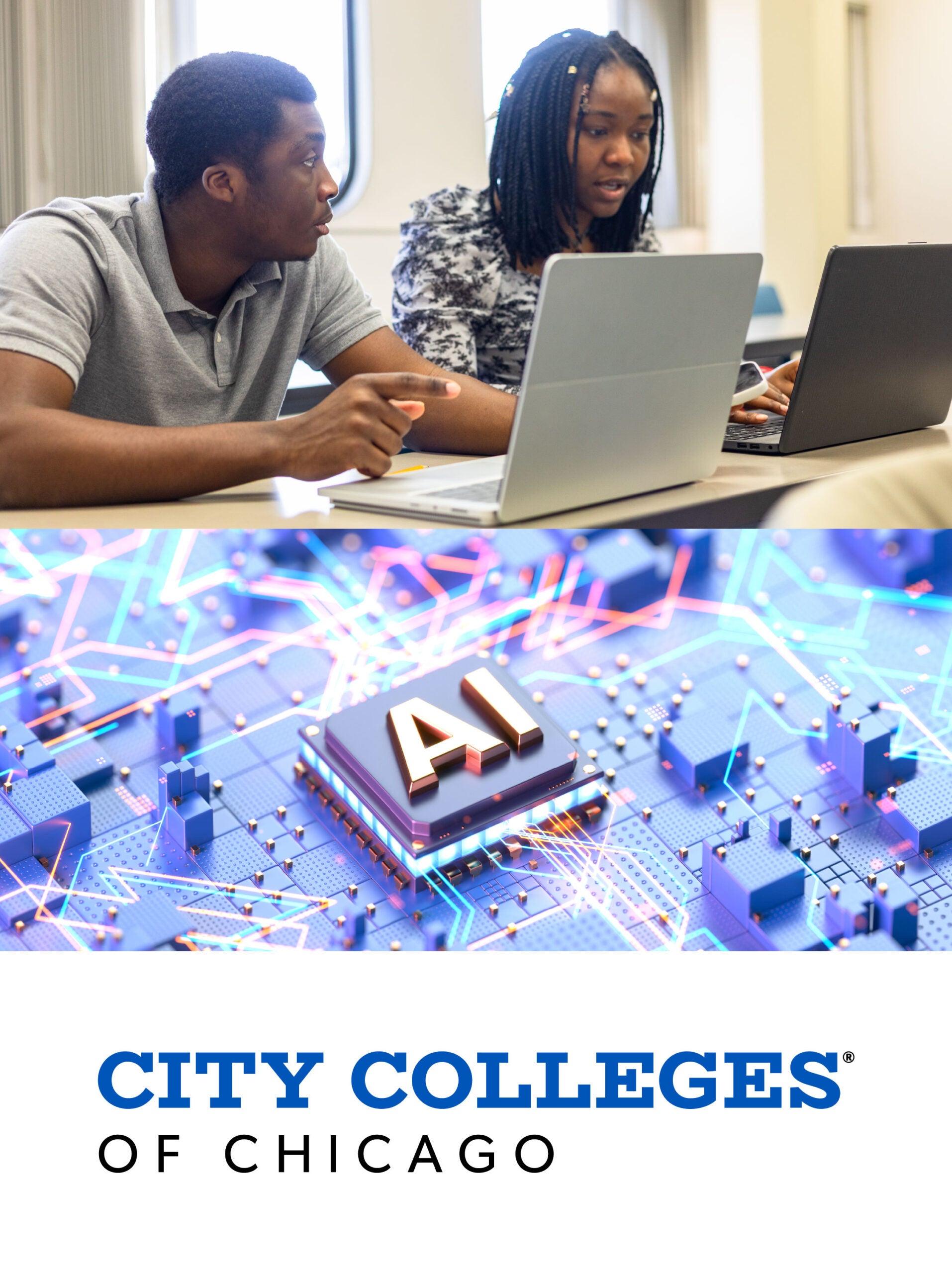
Artificial Intelligence is fundamentally reshaping all economic sectors, creating a critical demand for professionals skilled in building and utilizing these advanced systems. City Colleges of Chicago, through its collaboration with Wilbur Wright College, has introduced a credited program that offers students the unique opportunity to develop profound technical expertise. This program focuses on equipping them with the necessary skills to design, develop, deploy, and innovate with cutting-edge AI systems, thereby preparing them for impactful roles in the evolving technological landscape.
City Colleges of Chicago (CCC) officially announced the establishment of its first-ever college credit Artificial Intelligence (AI) degree program, strategically housed at Wilbur Wright College. This pivotal launch marks a significant advancement in educational offerings, aiming to democratize access to one of the most rapidly expanding and transformative fields in modern technology. The initiative underscores CCC's forward-thinking approach to preparing its student body for the future workforce.
The newly introduced Associate Applied Science degree in Artificial Intelligence and Machine Learning Development is an extensively designed program. Its core objective is to furnish students with a robust set of skills and an in-depth understanding crucial for excelling in the dynamic and highly competitive spheres of Artificial Intelligence and Machine Learning. Students enrolled in this program will benefit from hands-on practical experience, engaging directly with the latest technological tools and adhering to industry-leading best practices, thus ensuring they are well-prepared for diverse roles within the evolving AI and ML landscape.
Dr. Mark Potter, the Provost and Chief Academic Officer, articulated City Colleges of Chicago's unwavering dedication to meticulously aligning its academic curricula with the current and future needs of the workforce. He highlighted that the introduction of this AI-focused degree is a testament to this commitment, specifically designed to equip students for high-demand career pathways within burgeoning technologies and industries. Dr. Potter emphasized the transformative potential of graduates, stating that they would be instrumental in constructing AI systems poised to revolutionize daily life, learning processes, and overall societal well-being.
The innovative two-year degree pathway seamlessly integrates theoretical knowledge with practical, application-based learning experiences. The curriculum comprehensively covers essential areas, including intricate data processing techniques, both supervised and unsupervised learning methodologies, advanced neural networks, deep learning principles, and effective model deployment strategies. Furthermore, it delves into specialized domains such as Natural Language Processing (NLP), Computer Vision/Image Processing, and the critical considerations of Ethics in Technology. This robust educational foundation is structured not only for immediate career entry but also to facilitate seamless progression into advanced academic pursuits within the field of study.
Associate Vice Chancellor Ayoka Noelle Samuels underscored the program's primary emphasis on AI development, which systematically imparts students with the precise technical proficiencies required to conceptualize, construct, rigorously train, and effectively deploy sophisticated artificial intelligence systems. She reiterated that this accredited program is pivotal in empowering students to cultivate the necessary technical acumen, thereby enabling them to emerge as proficient AI developers and pioneering innovators, all while ensuring that AI education remains broadly accessible through the City Colleges of Chicago network.
President Andres Oroz of Wilbur Wright College passionately articulated the profound impact of this degree, framing it as a critical resource that provides students with the essential tools needed to forge their own futures. He emphasized that acquiring these specialized AI skills and credentials will enable graduates to tackle significant urban challenges, engineer groundbreaking technological solutions, and, most importantly, foster the upliftment and prosperity of their families and the broader communities they serve within the city.
Complementing the Associate Applied Science degree, City Colleges of Chicago also presents an accessible Advanced Certificate in Artificial Intelligence and Machine Learning Development, also offered through Wilbur Wright College. This certificate program is meticulously structured to cover a broad spectrum of foundational and advanced topics, including essential programming fundamentals, basic networking concepts, an introduction to AI, various operating systems, database management, core machine learning principles, and the vital subject of ethics in technology. Students enrolling in this program will benefit from a balanced blend of theoretical instruction and hands-on practical engagement, earning valuable college credits upon successful completion.
For individuals interested in pursuing either the Advanced Certificate or the Associate Applied Science degree in Artificial Intelligence, comprehensive information is readily available on the official website, www.ccc.edu, or by contacting 312-COLLEGE. Prospective students are encouraged to note that registration for the upcoming fall 16-week classes is open until August 9, 2026, with these classes commencing on August 20, 2026. Additionally, a second session is available, with a registration deadline of September 10, and classes for this session are scheduled to begin on September 20, 2026.
City Colleges of Chicago proudly stands as the city's foremost engine for accessible higher education, playing a critical role in driving socioeconomic mobility and fostering racial equity across the region. Its fundamental mission is to significantly enhance students' capabilities to thrive academically and professionally, thereby enabling them to actively participate in and contribute to the construction of a stronger, more equitable, and just Chicago. Further details about the institution and its offerings can be found on its official website.