Quick Buzz Feed

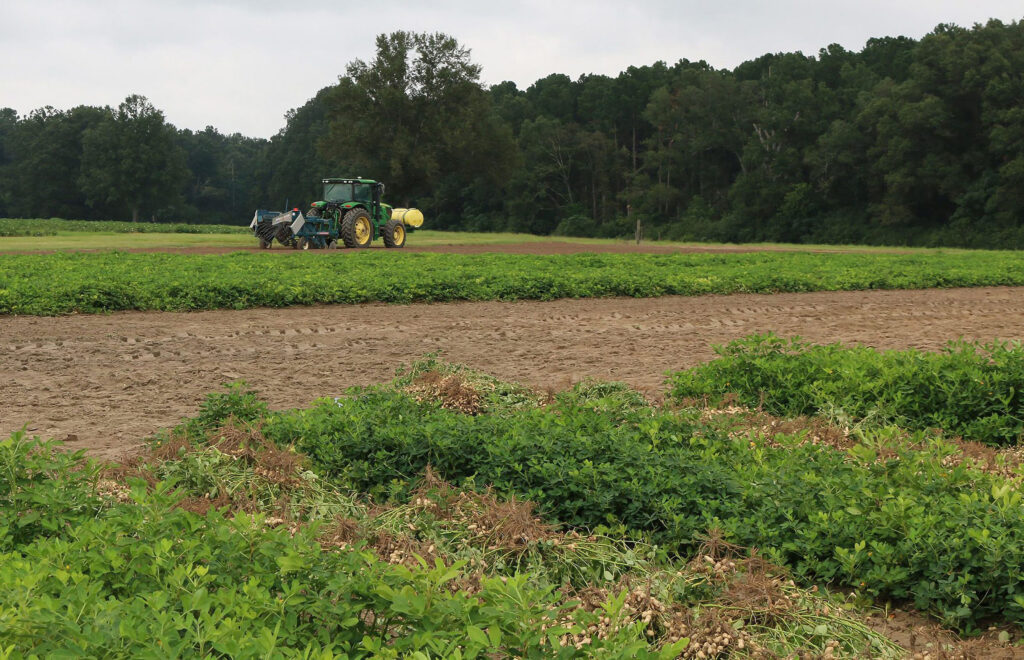
These tools aim to help producers make better decisions throughout the growing season.
The updated 2026 South Carolina Peanut Production Guide, available online, consolidates the latest research on varieties, disease control, weed management, and crop cost comparisons. It translates complex research into practical, easy-to-follow steps for producers, featuring a season-long management calendar and a top 10 list of essential practices to help achieve higher-quality and more profitable crops.
Clemson is enhancing its digital capabilities with the AgriView AI Image Analysis platform, which provides three key tools for peanut growers: Peanut Scout for identifying disease symptoms, pesticide injury, and nutrient deficiencies from leaf images; Pod Probe for estimating peanut maturity using images of pod-blasted peanuts; and a Peanut Yield Estimation Tool that predicts yield from images of inverted, windrowed peanuts. These tools aim to reduce uncertainty and offer real-time insights during critical stages of the crop cycle.
In addition to AI tools, Clemson Precision Agriculture offers various calculators and web applications to assist growers with optimizing operations and financial planning. These resources include a Digger conveyor speed calculator for measuring conveyor speed, a Peanut yield estimator based on pod counts, a Field drying forecaster that predicts moisture content using location-specific weather data to aid harvest scheduling, and a Loan rate calculator to determine peanut loan rates based on grade.
Peanuts remain a significant agricultural commodity in South Carolina. In 2025, farmers produced an estimated 313 million pounds of peanuts across approximately 90,000 acres, with a total value of nearly $65 million. The ideal planting window for peanuts in the region typically falls between May 1 and May 15.