Quick Buzz Feed

AI is a branch of computer science that enables machines to simulate human intelligence, to include reasoning, problem-solving and creativity.
Artificial intelligence, a field simulating human intelligence, has been enthusiastically adopted by scammers. A significant portion of spam emails (over 50%) and phishing attempts (82%) are now AI-generated. The public is exposed to an average of 2.6 'deepfakes' daily, which are AI-created false images, videos, or audio that are difficult for humans to distinguish from reality, highlighting the widespread nature of AI in fraudulent activities.
AI is most frequently utilized in imposter scams where fraudsters mimic law enforcement, government bodies, businesses, or romantic interests. Deepfakes are particularly common in online advertising, allowing scammers to create fake endorsements by celebrities or even ordinary individuals, like a doctor whose image and voice were used to sell skin creams without his consent, demonstrating AI's power to deceive on a personal and commercial scale.
Despite the advanced nature of AI scams, individuals possess effective defenses that leverage common sense over technological prowess. These include pausing to critically evaluate situations before acting, seeking advice from trusted individuals not emotionally involved, and verifying suspicious claims, recognizing that offers or scenarios that appear 'too good to be true' usually are not.
Beyond critical thinking, several technological practices can bolster security against AI-powered scams. These include regularly updating passwords to strong, unique combinations, configuring smartphone settings to direct unknown callers to voicemail, strengthening social media privacy settings, freezing credit to prevent unauthorized access, and deleting unused applications that could harbor vulnerable saved passwords.
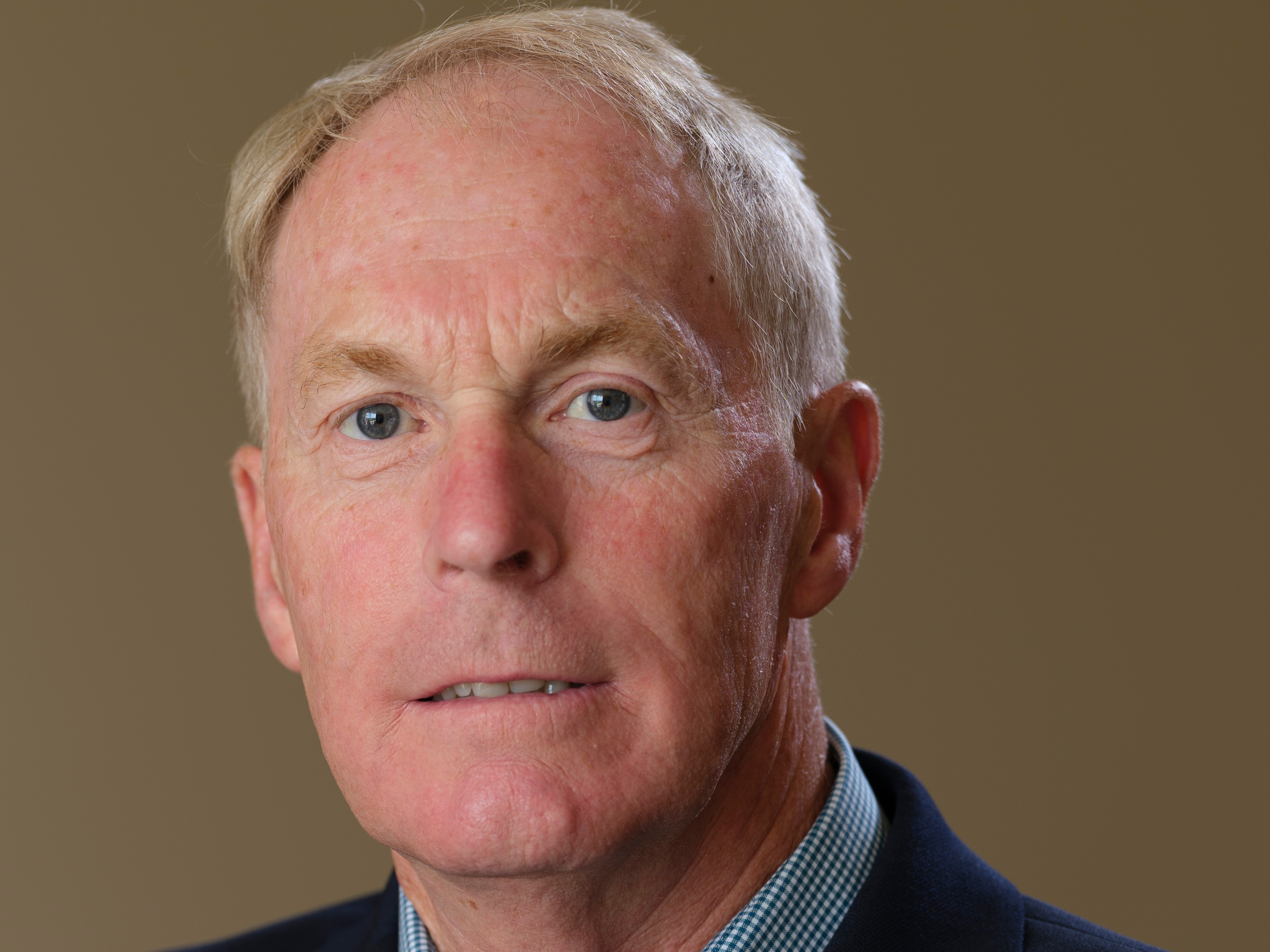
Randy Meier, director of Seniors vs. Crime, encourages individuals to report any scams, fraud, or illicit activities they encounter. Community input is vital for their work, and he can be contacted at the Clinton County Sheriff’s Office via phone at 563-242-9211, extension 4433, or by email.