Quick Buzz Feed

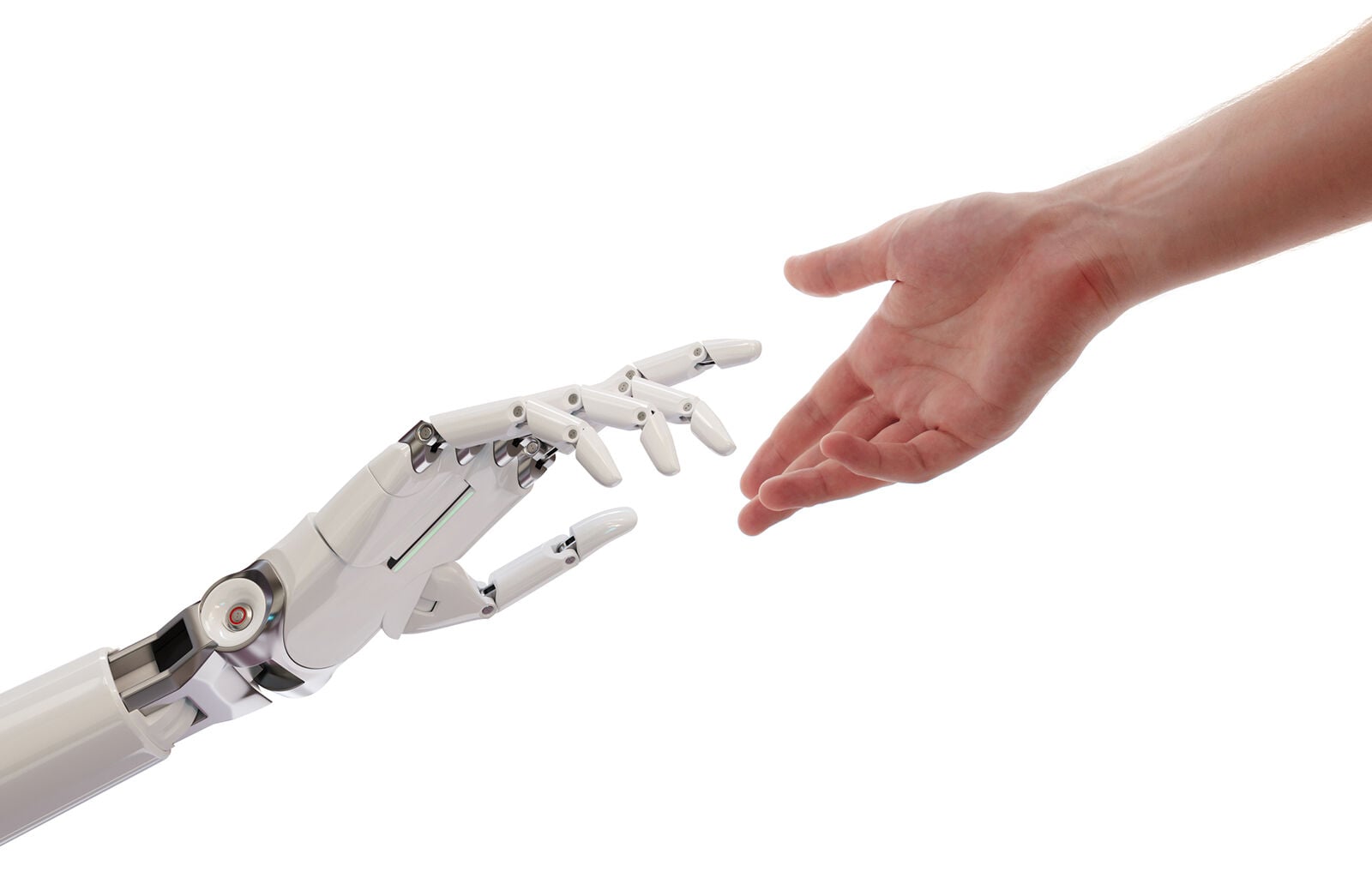
Every generation believes its technologies are about to destabilize the world.
Throughout history, each new technological advancement, from the printing press to the smartphone, has been met with societal fears of destabilization. However, the latest wave of generative artificial intelligence (GenAI) has generated an unprecedented level of anxiety, with some calling it an "existential risk" to humanity.
The field of design has been experimenting with generative systems for about a decade, offering early insights into GenAI's potential. Fundamentally, GenAI, based on technologies like GPTs and LLMs, acts as an advanced imitation machine. It creates new outputs by assimilating and transforming vast curated collections of existing human production, rather than through original invention.
In architecture, GenAI can re-interpret existing buildings into different visual styles. Similarly, systems like ChatGPT function as translation machines, converting texts between languages or transforming poorly written drafts into polished ones. However, a key limitation is its tendency to 'hallucinate' when asked to generate detailed reports from minimal prompts, indicating its reliance on existing patterns rather than true understanding or invention.
Imitation is a core component of intelligence, as demonstrated by Alan Turing's 'imitation game' and how humans learn languages and crafts. Yet, imitation is not equivalent to invention. Designers utilize GenAI to explore possibilities and unexpected directions early in the creative process, but the crucial step of moving beyond existing patterns remains a distinctly human faculty, viewing AI as a 'stochastic parrot' that repeats likely sequences rather than a creative genius.
The commercial impact of GenAI is expected to be massive, particularly in tasks based on imitation such as translation, editing, and code debugging. However, in professions like design, the technology has not significantly transformed employment or replaced human creative inputs and final judgment. Ultimately, AI compels humanity to recognize and value its most unique attribute: the capacity for true invention, seeing what has not yet been seen, rather than just imitating what already exists.