Quick Buzz Feed

The American Public Transportation Association's triennial Expo recently gathered nearly 700 companies to unveil their latest advancements in AI technology and innovative infrastructure solutions, signaling a transformative era for public transportation. This key event highlighted significant efforts towards making urban transit faster, more efficient, and more responsive to the needs of modern cities and their commuters.
The American Public Transportation Association (APTA) hosted its highly anticipated Expo last week, an event that occurs once every three years and serves as a critical convergence point for the public transportation industry. Nearly 700 companies participated, transforming the exhibition floor into a vibrant display of cutting-edge innovations and strategic plans for the future of urban mobility. This gathering offered a unique opportunity for industry leaders, technology developers, and transit agencies to showcase and discuss the next generation of transportation solutions. Smart Cities Dive, a prominent publication covering urban development and technology, was on-site, conducting interviews with various exhibitors to delve into their new technologies, forthcoming products, and long-term infrastructure strategies. The sheer scale of participation underscores the industry's dynamic growth and its commitment to integrating advanced technologies for better service delivery.
A significant announcement at the Expo came from Alstom, a global leader in the rail transport market, which revealed its plans to establish dedicated innovation hubs within the United States. This marks a strategic expansion, with the first hub earmarked for Pittsburg. These innovation hubs are envisioned as collaborative ecosystems, designed to bring together a diverse array of stakeholders including local transit agencies, municipal governments, academic researchers from universities, specialized technology centers, agile startups, and various industry partners. The core mission of these hubs, as detailed by Dan Zukowski for Smart Cities Dive, is to foster an environment ripe for co-creation and problem-solving. By facilitating such extensive collaboration, Alstom aims to empower agencies to discover and implement novel methods and technologies that can make public transportation services substantially faster, more reliable, and ultimately more efficient and user-friendly for the millions of daily commuters. This initiative reflects a broader trend in the industry towards localized innovation to meet specific regional challenges and opportunities.
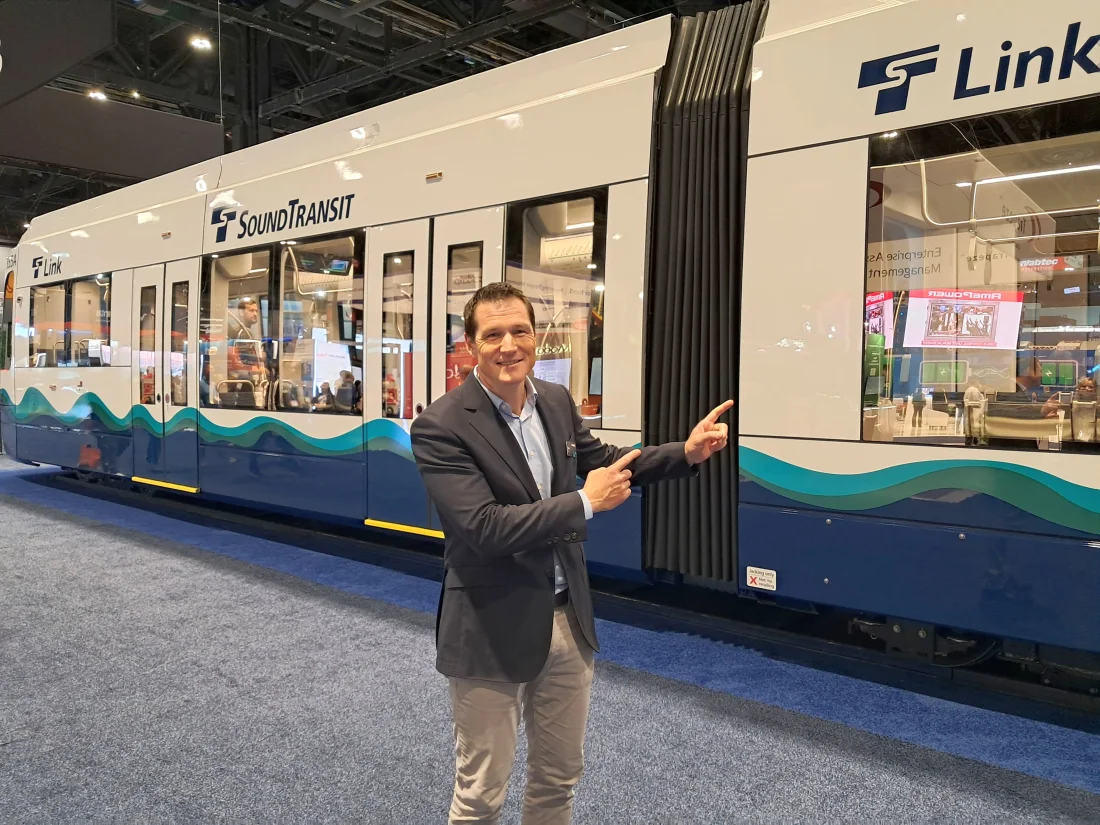
Beyond Alstom's strategic announcements, the APTA Expo was rich with demonstrations of pioneering technologies from other key players. Lyt, for example, garnered attention with its advanced AI detection system. This sophisticated system is engineered to provide dynamic traffic signal priority, a crucial capability for improving the punctuality and efficiency of both public transit vehicles and critical emergency services. By intelligently managing traffic flow, Lyt's technology seeks to reduce congestion, decrease travel times, and enhance safety across urban networks. In parallel, Siemens Mobility, a renowned manufacturer specializing in rail cars and locomotives, presented a highly detailed model of its new light-rail vehicles. This exhibit offered attendees a glimpse into the future of urban rail transport, highlighting design advancements, potential energy efficiencies, and improved passenger comfort. The unveiling of such tangible innovations from companies like Lyt and Siemens Mobility underscored the industry's rapid adoption of AI and advanced engineering to deliver smarter, more sustainable, and more effective transportation solutions for the evolving demands of smart cities.