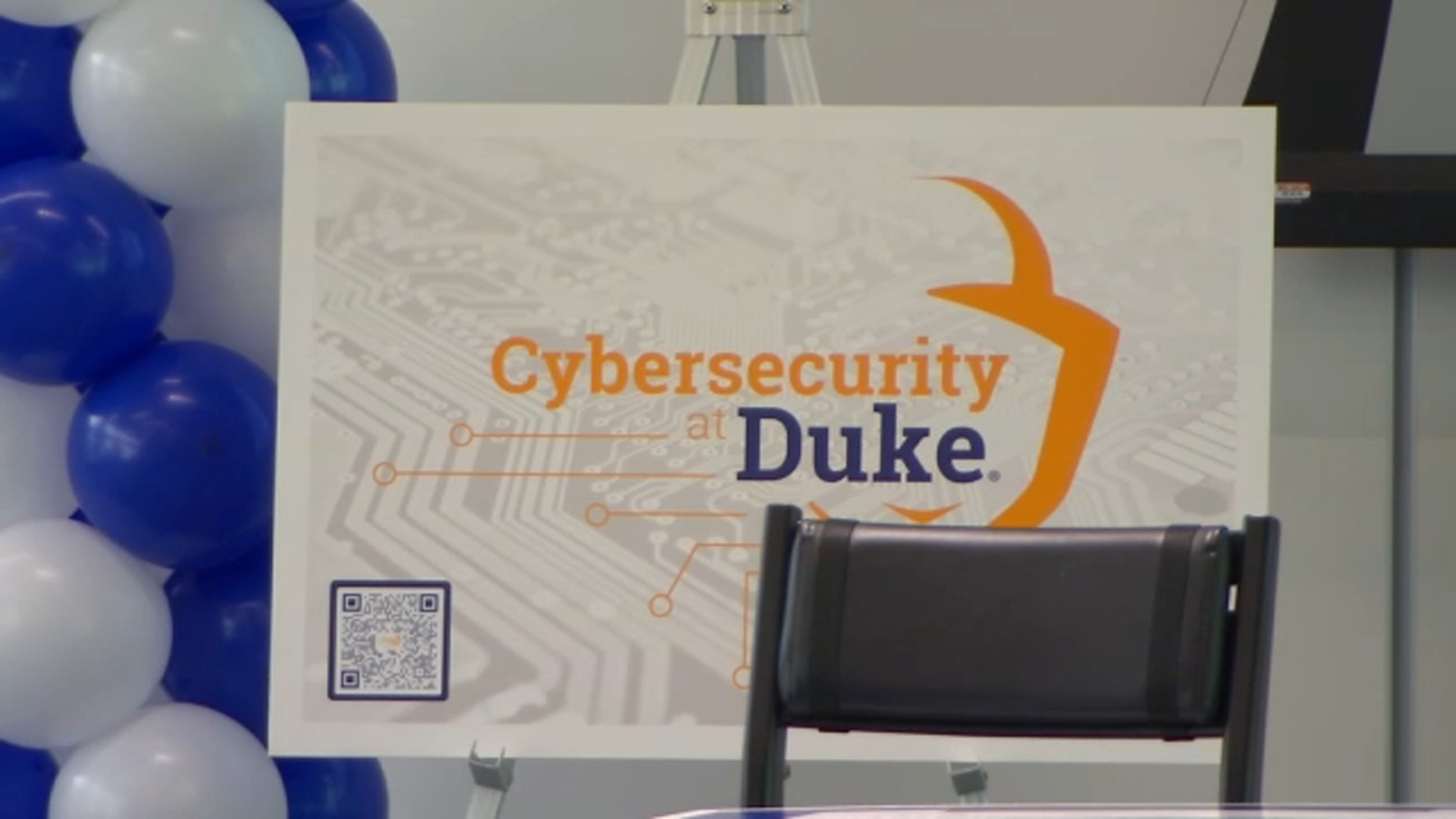
The 2026 Cybersecurity at Duke conference featured lawmakers, intelligence experts, tech leaders, professors and students to discuss emerging technological challenges.
Focus on AI's Impact and Emerging Challenges This section introduces the core theme of the third annual "Cybersecurity at Duke" conference, held at Duke University's Penn Pavilion. The primary focus of the event was the profound impact of artificial intelligence (AI) on the field of cybersecurity. Attendees comprised a diverse group of stakeholders, including influential lawmakers, seasoned intelligence experts, prominent technology leaders, academic professors, and students. Their collective aim was to engage in discussions surrounding the rapidly evolving technological landscape, particularly the challenges these advancements pose for cybersecurity frameworks and their broader implications for global geopolitics. A significant aspect of the conference was the participation of high-profile figures such as NSA Deputy Director Tim Kosiba, who delivered remarks, alongside Congresswomen Deborah Ross and Valerie Foushee, underscoring the importance and multi-faceted nature of the issues being addressed. The discussions centered on the critical need to strike a delicate balance between harnessing the immense potential of AI and mitigating its inherent risks, ensuring that the United States maintains its competitive edge in these emerging technologies, especially for national defense purposes. This initial segment establishes the gravity and scope of the conference, highlighting the interdisciplinary approach required to tackle the complex interplay between AI, cybersecurity, and national security. Collaborative Approach to AI Challenges Art Ehuan, the executive director of Duke's cybersecurity program, emphasized a crucial point regarding the effective management of challenges introduced by artificial intelligence, particularly "genetic AI." Ehuan articulated that these problems are far too complex and widespread for any single entity to address in isolation. He advocated for a comprehensive "whole-of-government, whole-of-society approach," stressing the imperative for different sectors to work in tandem. Specifically, Ehuan highlighted the necessity for academia to collaborate closely with governmental bodies and private corporations, and vice versa. This cooperative model, he argued, is the only conceivable way to navigate the intricacies and scale of AI-related challenges, as no single organization possesses the complete resources or expertise to manage them independently. This perspective underscores the interconnectedness of security, technology, and governance in the age of advanced AI. Human Element in the Age of Technology In a powerful statement, NSA Deputy Director Tim Kosiba offered a critical insight into the future of intelligence in an era dominated by rapid technological advancement. Kosiba asserted that future success in intelligence would not merely be dictated by which organizations possess the most sophisticated technology. He firmly stated that "technology alone does not create a sustainable advantage." Instead, Kosiba underscored the irreplaceable value of the human element, concluding definitively that "People do." This perspective emphasizes that while technological tools like AI are crucial enablers, the ultimate intelligence and strategic advantage will reside in the capabilities, adaptability, and insights of human experts. This point serves as a reminder that investment in human capital and expertise remains paramount, even as AI transforms operational landscapes. Balancing Innovation with Safeguards The conference reinforced the consensus among experts that artificial intelligence is poised to be one of the most profoundly transformative technologies to significantly impact cybersecurity. This transformative potential, however, comes with an inherent need for careful management. The discussions consistently underscored the critical importance of implementing robust safeguards as AI technology continues to develop and evolve. This involves not only technical security measures but also policy frameworks and ethical considerations to prevent misuse and ensure responsible development. The two-day conference served as a vital forum for government officials, academics, and industry leaders to collaboratively explore these complex issues, collectively striving to harness AI's benefits while effectively mitigating its associated risks for a secure future.
Focus on AI's Impact and Emerging Challenges
This section introduces the core theme of the third annual "Cybersecurity at Duke" conference, held at Duke University's Penn Pavilion. The primary focus of the event was the profound impact of artificial intelligence (AI) on the field of cybersecurity. Attendees comprised a diverse group of stakeholders, including influential lawmakers, seasoned intelligence experts, prominent technology leaders, academic professors, and students. Their collective aim was to engage in discussions surrounding the rapidly evolving technological landscape, particularly the challenges these advancements pose for cybersecurity frameworks and their broader implications for global geopolitics. A significant aspect of the conference was the participation of high-profile figures such as NSA Deputy Director Tim Kosiba, who delivered remarks, alongside Congresswomen Deborah Ross and Valerie Foushee, underscoring the importance and multi-faceted nature of the issues being addressed. The discussions centered on the critical need to strike a delicate balance between harnessing the immense potential of AI and mitigating its inherent risks, ensuring that the United States maintains its competitive edge in these emerging technologies, especially for national defense purposes. This initial segment establishes the gravity and scope of the conference, highlighting the interdisciplinary approach required to tackle the complex interplay between AI, cybersecurity, and national security.
Collaborative Approach to AI Challenges
Art Ehuan, the executive director of Duke's cybersecurity program, emphasized a crucial point regarding the effective management of challenges introduced by artificial intelligence, particularly "genetic AI." Ehuan articulated that these problems are far too complex and widespread for any single entity to address in isolation. He advocated for a comprehensive "whole-of-government, whole-of-society approach," stressing the imperative for different sectors to work in tandem. Specifically, Ehuan highlighted the necessity for academia to collaborate closely with governmental bodies and private corporations, and vice versa. This cooperative model, he argued, is the only conceivable way to navigate the intricacies and scale of AI-related challenges, as no single organization possesses the complete resources or expertise to manage them independently. This perspective underscores the interconnectedness of security, technology, and governance in the age of advanced AI.
Human Element in the Age of Technology
In a powerful statement, NSA Deputy Director Tim Kosiba offered a critical insight into the future of intelligence in an era dominated by rapid technological advancement. Kosiba asserted that future success in intelligence would not merely be dictated by which organizations possess the most sophisticated technology. He firmly stated that "technology alone does not create a sustainable advantage." Instead, Kosiba underscored the irreplaceable value of the human element, concluding definitively that "People do." This perspective emphasizes that while technological tools like AI are crucial enablers, the ultimate intelligence and strategic advantage will reside in the capabilities, adaptability, and insights of human experts. This point serves as a reminder that investment in human capital and expertise remains paramount, even as AI transforms operational landscapes.
Balancing Innovation with Safeguards
The conference reinforced the consensus among experts that artificial intelligence is poised to be one of the most profoundly transformative technologies to significantly impact cybersecurity. This transformative potential, however, comes with an inherent need for careful management. The discussions consistently underscored the critical importance of implementing robust safeguards as AI technology continues to develop and evolve. This involves not only technical security measures but also policy frameworks and ethical considerations to prevent misuse and ensure responsible development. The two-day conference served as a vital forum for government officials, academics, and industry leaders to collaboratively explore these complex issues, collectively striving to harness AI's benefits while effectively mitigating its associated risks for a secure future.