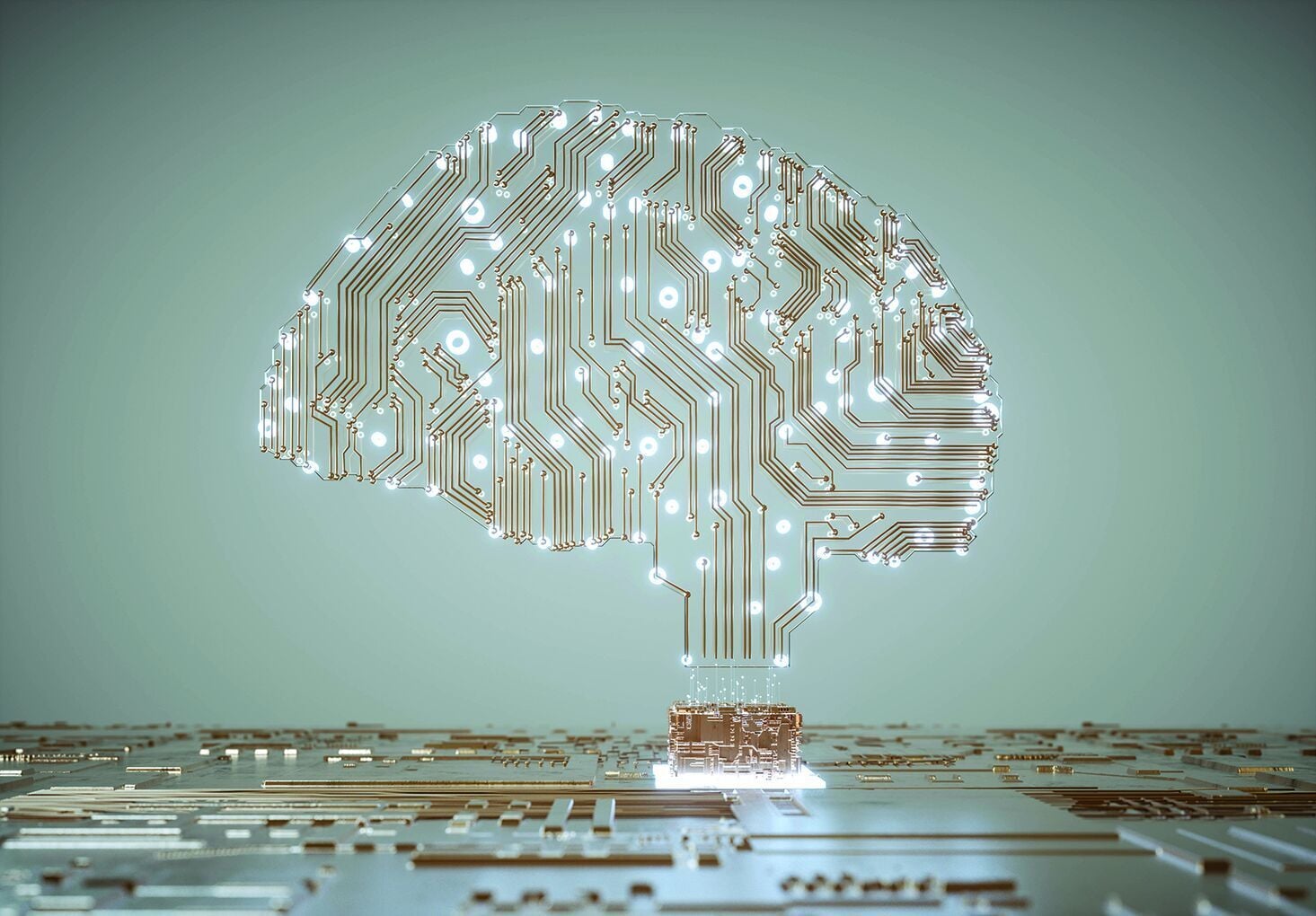
This dynamic online poll, prominently featured on FrederickNewsPost.com, serves as an engaging platform for community members to voice their perspectives on one of the most defining technological shifts of the 21st century: Artificial Intelligence. The central inquiry, 'Do you think society is better off with AI (artificial intelligence)?', invites a profound reflection on the multifaceted impact of AI across various societal domains. This includes its transformative effects on economic landscapes, job markets, healthcare innovations, educational methodologies, entertainment industries, and even the fundamental aspects of human interaction and ethical governance. The poll is designed to capture a broad spectrum of public sentiment, ranging from fervent optimism about AI's potential to revolutionize and improve human conditions, to deep-seated skepticism and concerns regarding its potential drawbacks, such as job displacement, ethical dilemmas, privacy infringements, and the broader implications for human autonomy and decision-making. By consolidating these diverse viewpoints into a quantifiable format, the poll provides an accessible, albeit unscientific, barometer of local perception, reflecting the ongoing global debate on how AI is shaping our present and future. It highlights the community's engagement with cutting-edge technology and its implications for collective well-being and societal progress, fostering an environment where public opinion on complex technological advancements can be easily shared and observed.
Assessing AI's Societal Footprint: A Spectrum of Opinions
The interactive poll is meticulously structured to elicit a nuanced understanding of public sentiment concerning the broad societal footprint of artificial intelligence. Instead of merely a binary 'yes' or 'no', participants are presented with a finely graded scale of responses, allowing for a more precise articulation of their personal evaluations. These options are: 'Yes, much better,' which signifies a strong belief in AI's overwhelming positive contributions, envisioning a future dramatically enhanced by its capabilities in efficiency, innovation, and problem-solving. Following this is 'Yes, a little better,' representing a more moderate optimism, acknowledging tangible benefits while perhaps recognizing some nascent challenges. A neutral stance is offered through 'About the same,' indicating that respondents perceive AI's effects as largely balancing out, with neither significant improvement nor deterioration in societal conditions. On the other end of the spectrum, 'No, a little worse' captures a cautious pessimism, suggesting minor but noticeable negative impacts. A more pronounced alarm is reflected in 'No, a lot worse,' for those who foresee substantial detrimental effects on quality of life, economic stability, or ethical integrity. Finally, 'It’s hard to say' serves as a crucial option for individuals who recognize the profound complexity of AI's implications, finding it difficult to definitively categorize its overall effect due to its evolving nature, diverse applications, and uncertain long-term outcomes. This comprehensive array of choices is designed to gather a rich, albeit qualitative, dataset on community perceptions, illuminating the varied hopes and fears associated with the rise of artificial intelligence and contributing to the broader narrative around technological acceptance and adaptation.