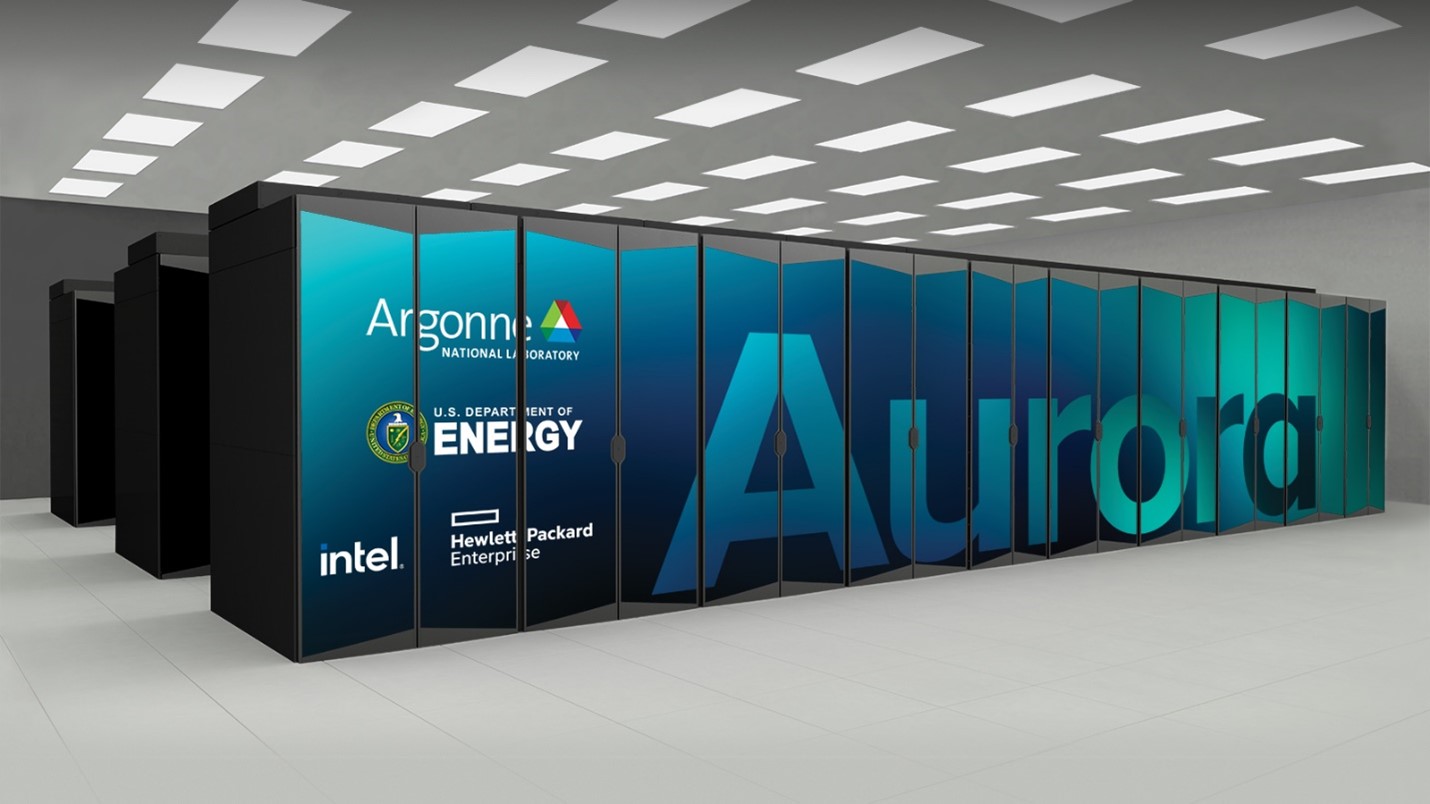
Artificial Intelligence (AI) refers to intelligence exhibited by machines, a formal research field since 1956 that has recently seen significant advancements due to increased computing power and massive data sets. Key areas include machine learning, where systems learn from data to improve tasks (e.g., navigation apps), and deep learning, which uses complex neural networks to process intricate tasks like those handled by digital assistants.
What is Artificial Intelligence, Machine Learning, and Deep Learning?
Artificial Intelligence (AI) is machine intelligence, a research field since 1956. Recent progress is due to increased computing power and data. Machine learning, a specific AI application, enables systems to learn from data to improve tasks, like route guidance in navigation apps. Deep learning, a more complex AI, uses neural networks to mimic human brains for intricate tasks, such as powering digital assistants, requiring significant computing power.
DOE Office of Science: Contributions to Artificial Intelligence
The Department of Energy Office of Science (DOE SC), specifically its Advanced Scientific Computing Research (ASCR) program, has been involved in AI research since the 1960s. ASCR developed foundational technologies for modern AI systems, including massively parallel I/O and linear algebra routines. Currently, ASCR is crucial in developing high-performance and exascale computing hardware and software for future AI generations, and supports other DOE SC programs, such as deploying AI for controlling fusion reactions in the Fusion Energy Science program.
Artificial Intelligence Facts
AI's progress can be measured by its performance in games. IBM’s Watson won Jeopardy! in 2011, and Google DeepMind AlphaGo defeated a human grandmaster in Go in 2016. However, AI is reportedly not as skilled in teamwork-based games.
Resources and Related Terms
This section lists various resources related to Artificial Intelligence from the Department of Energy, including links to the Advanced Scientific Computing Research program, articles on science gaining from computer learning and machine learning in cosmology, a podcast on AI, brochures and reports on scientific machine learning and AI for science, and science highlights on AI agents for materials discovery and data organization for AI in physics research. It concludes by noting that 'DOE Explains' provides straightforward explanations of scientific terms relevant to the Office of Science's research.