Quick Buzz Feed

Experts told Alabama lawmakers that regulating artificial intelligence for children should start with clear definitions.
Experts advising Alabama lawmakers on artificial intelligence regulation for children emphasized the importance of clear definitions over outright bans. Kevin Frazier, an AI innovation and law fellow at the University of Texas, argued that blanket prohibitions overlook various contextual factors where AI use might be beneficial for families.
The Study Commission on Artificial Intelligence and Children's Safety is tasked with investigating the effects of AI, social media, and internet usage on children and recommending appropriate legislation. A 2025 NIH study identified both benefits and risks of AI use by children and teens, noting that while AI can assist with schoolwork, it also carries potential for cognitive biases and over-reliance. A Pew Research Center study in 2026 revealed that 54% of teens have used AI chatbots for homework, although regular use is less common.
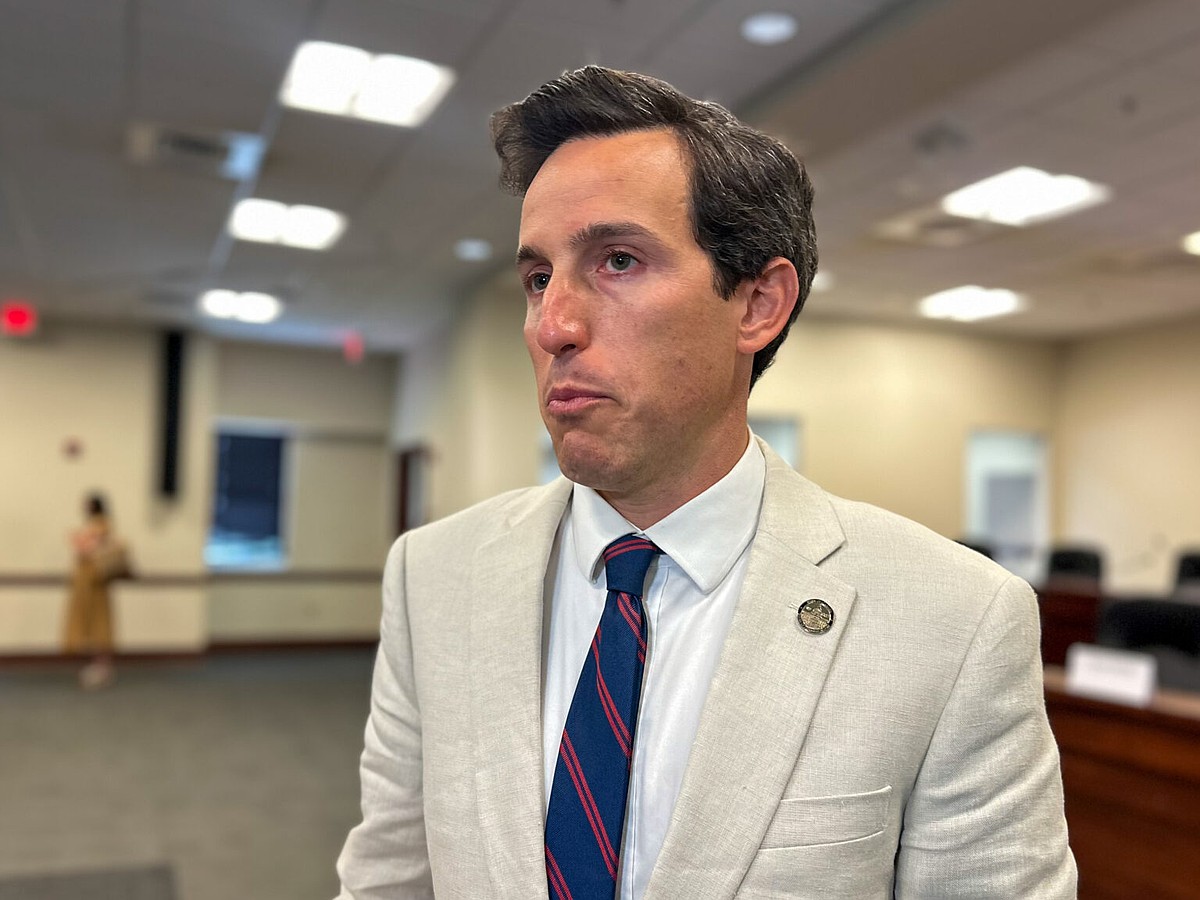
The NIH study also highlighted the dual nature of AI regarding adolescent mental health. Frazier suggested that AI should be integrated to streamline processes in educational and mental health settings, rather than being viewed as a threat, especially given Alabama's shortage of mental health support. State Rep. Ben Robbins, co-chair of the commission, hopes to establish a foundational framework for AI legislation, acknowledging the rapid and ongoing evolution of artificial intelligence.
Rob Eleveld, CEO of the Transparency Coalition, stressed the critical need for precise definitions, particularly for 'minor,' in AI-related legislation due to privacy concerns surrounding data collection for age verification. University of Alabama law professor Yonathan Arbel further cautioned lawmakers to differentiate between simple, easily bypassed age verification methods and more sophisticated, behavior-based age assurance, emphasizing the need to consider error tolerance for each approach.
Rep. Ben Robbins observed that the fundamental harms children face today are consistent with those of 30 years ago, but the medium through which these harms occur has changed. He used the analogy of a stranger offering candy, illustrating that such dangers have evolved from physical interactions to online environments, requiring an updated legislative approach to child safety.