Quick Buzz Feed

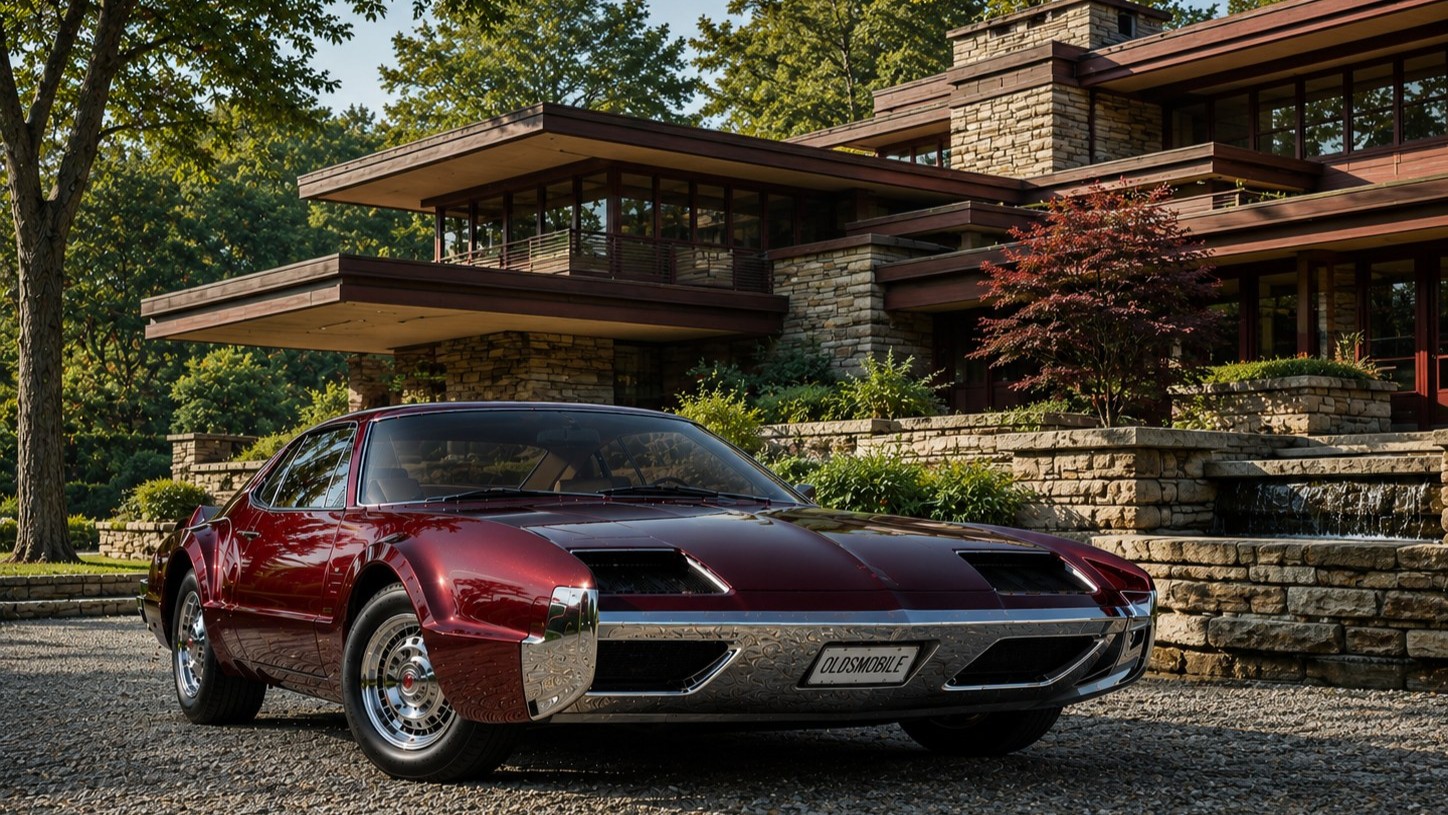
Waiting to see something positive from artificial intelligence? You'll like its clever use to bring automotive concept illustrations to life.
The article highlights a commendable and positive application of artificial intelligence by a retired graphic designer who runs a Facebook page dedicated to 'Cars: Design & Style.' This innovative individual is leveraging AI technology to transform vintage automotive concept illustrations, often from forgotten archives, into incredibly realistic, photographic-like images. This process effectively visualizes 'what if' scenarios for classic cars that were either never fully produced in a specific incarnation or remained purely conceptual. This creative and transparent use of AI stands out as a refreshing and beneficial application, providing a unique perspective for automotive enthusiasts and design historians, enabling them to see these bygone concepts in a tangible, almost real-world setting.
As a compelling initial example of AI's potential, the article prominently features an AI-generated image of a 1966 Oldsmobile Toronado. This realistic AI rendition is presented in stark contrast to the original design illustration, vividly demonstrating AI's capacity to imbue static concept art with life and depth. This transformation offers enthusiasts a unique opportunity to envision how these historical designs might have looked if they had made it to production, prompting thoughtful comparisons with actual vehicles. The original illustration is clearly identified as the foundational inspiration for the AI-enhanced image, emphasizing the bridge AI creates between historical concept and modern visualization.
The article further deepens its exploration of AI's capabilities by showcasing a 1973 Pontiac GTO proposal. This section features a collection of images, including the preliminary design sketches and an AI-generated realistic rendering of the vehicle. The realistic view offers an intriguing glimpse into a potential GTO that never saw the light of day, inviting direct comparison with the actual 1973 Pontiac Grand Am, an image of which is also included for context. This visual juxtaposition stimulates rich discussions around design evolution, the elements that were adopted or discarded from concepts, and the overall aesthetic impact of various design choices. It's particularly noteworthy that the Facebook group's moderator achieved such detailed and believable renderings in just a few weeks of using AI, underscoring the rapid learning curve and power of this technology.
Another captivating illustration of AI's transformative power is presented through the 1968 Buick Riviera proposal. The article displays both the original design drawing and its corresponding AI-created realistic image. This pairing brilliantly highlights how AI can construct an alternate automotive history, bringing abstract concept art into a visually concrete form. The realistic rendition challenges viewers to consider whether such a design would have been an improvement or a deviation from the ultimately produced model, thereby fostering a deeper appreciation for the complex automotive design process and the myriad decisions involved in bringing a vehicle to market. The moderator's rapid aptitude in employing AI for such creative visualization is consistently praised.
The article continues its fascinating series of examples with a detailed look at a 1968 Ford Fairlane proposal. This segment meticulously presents the original design drawing, a period-specific 1968 Ford Fairlane brochure image, and a meticulously crafted AI-generated realistic image. By juxtaposing these three distinct visual artifacts, the article effectively demonstrates AI's unique ability to bridge the conceptual gap between initial design sketches and their potential real-world manifestation, even for vehicles that remained concepts. This vivid and believable rendering encourages a deeper reflection on the intricate nuances of automotive styling, the historical evolution of specific models, and the various design paths that were considered but ultimately not pursued. The transparency regarding the artificial intelligence source of these captivating images is consistently maintained.
Concluding the visual showcase, the article features an AI-generated realistic image of a 1967 Plymouth Barracuda. This image serves as a powerful final testament to the practical and creative utility of AI in the realm of automotive design visualization. By skillfully taking archival concept illustrations and rendering them with astonishing realism, the 'Cars: Design & Style' Facebook page significantly enriches the collective understanding and appreciation of historical automotive design. This innovative methodological approach provides automotive enthusiasts with a novel and engaging way to interact with the industry's past, inspiring contemplation of the myriad 'what-if' scenarios in car manufacturing and firmly establishing AI as a valuable tool for profound creative exploration, rather than merely for generating generic content.