Quick Buzz Feed

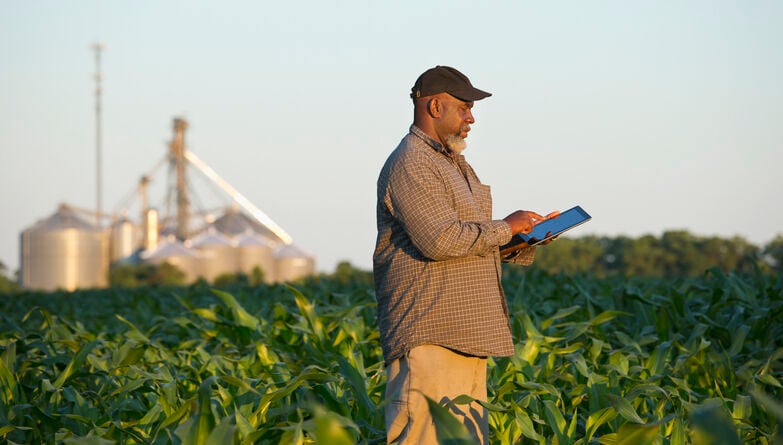
Pennsylvania agriculture is rapidly adopting AI-driven technologies to address challenges like labor shortages and efficiency while meeting evolving market demands, transforming various sectors from mushroom farming to dairy operations.
This section delves into the evolving role of artificial intelligence in agriculture, moving beyond basic data collection to implement integrated physical and autonomous systems. These advanced AI platforms are designed to make real-time decisions without direct human intervention, leveraging diverse data inputs such as computer vision (image and picture analysis), GPS data for precise location tracking, and sophisticated machine learning algorithms. The applications span various critical farm operations, including automated planting, targeted weeding, and efficient harvesting. Key components of these systems involve robotic machinery, "connected" tractors, and smart drones that can navigate complex terrains, sense environmental changes, and avoid obstacles. Furthermore, the article highlights the development of "closed-loop systems" that meticulously manage and control specific environmental conditions, like soil moisture or air temperature, making precise adjustments to farm equipment based on continuous data collection. These systems can be tailored to individual sections of a field or specific animals, offering highly optimized management. Illustrative examples include precise climate control within greenhouses, where sensors monitor humidity and carbon dioxide levels, triggering gas releases to stabilize conditions, and automated dairy feeding systems that monitor an individual animal’s feed intake, weight, and milk production to adjust nutrient mixes dynamically, enhancing overall herd health and productivity.
Pennsylvania's mushroom industry, a significant contributor to the state's agricultural economy, serves as a prime testing ground for AI advancements, particularly in addressing persistent labor shortages, estimated at 20%. The article details several groundbreaking AI applications developed to enhance efficiency and productivity in this traditionally labor-intensive sector. One notable innovation is the vision-guided harvesting system, which employs machine vision and learning to accurately identify mature mushrooms and determine the optimal picking sequence. These systems utilize delicate suction or finger-like grippers to harvest mushrooms without causing bruising, a crucial factor given their fragility. Commercial implementation by companies like AGRobotics has demonstrated significant yield maximization, boosting production by up to 20%. Beyond harvesting, AI is revolutionizing predictive analytics within mushroom farms. Farmers are adopting software that creates "digital twins" of their growing rooms, enabling the analysis of historical data combined with current substrate health to precisely predict optimal harvest times. This foresight greatly improves logistics and supply chain management. Additionally, AI-powered computer vision systems, such as MycoSense, are trained to detect subtle signs of mold and bacterial infestations before they become visible to the naked eye, facilitating targeted treatments and substantially reducing the costs associated with widespread chemical applications.
This section highlights the crucial role of governmental and institutional support in accelerating the adoption of AI technologies within Pennsylvania's agricultural sector. Governor Josh Shapiro’s administration has actively promoted agricultural innovation by launching a second round of $10 million Agricultural Innovation Grants in 2023, specifically earmarking funds to assist farmers in adopting advanced AI technologies, including robotics. This demonstrates a clear commitment to modernizing farming practices and ensuring the industry's future viability. Complementing state efforts, the USDA has contributed nearly $5 million to a research consortium led by Penn State University. This funding aims to bridge the technological gap by adapting advanced European automated systems, designed for canning mushrooms, to meet the unique demands of the U.S. market for high-quality fresh mushrooms. Such initiatives underscore the collaborative approach to technological integration. Furthermore, the article notes that smaller, niche mushroom operations, often growing specialty and gourmet varieties like oyster, shiitake, and lion's mane, are also benefiting from more accessible, data-centered AI solutions. These farms are transitioning from traditional paper logs to digital platforms such as Penn State’s CropSmarts suite, which records real-time environmental data and helps monitor critical parameters like carbon dioxide fluctuations, essential for delicate specialty mushrooms, thereby improving yield and operational consistency.