Quick Buzz Feed

Autodesk AI tools for animation and VFX introduce MotionMaker, Wonder 3D, and workflow updates in Maya, 3ds Max, and Flow Studio, helping artists work faster without sacrificing creative control.
Artists face daily production challenges like animating complex movements or confidently transforming ideas into 3D models, which can significantly slow down workflows. The latest updates to Autodesk Maya, 3ds Max, and Flow Studio address these issues with new AI-powered capabilities and workflow enhancements. These innovations aim to shorten the path from initial concept to final frame, enabling artists to work more rapidly while maintaining full creative control. This article details these new features and explains their importance in streamlining animation and visual effects production.
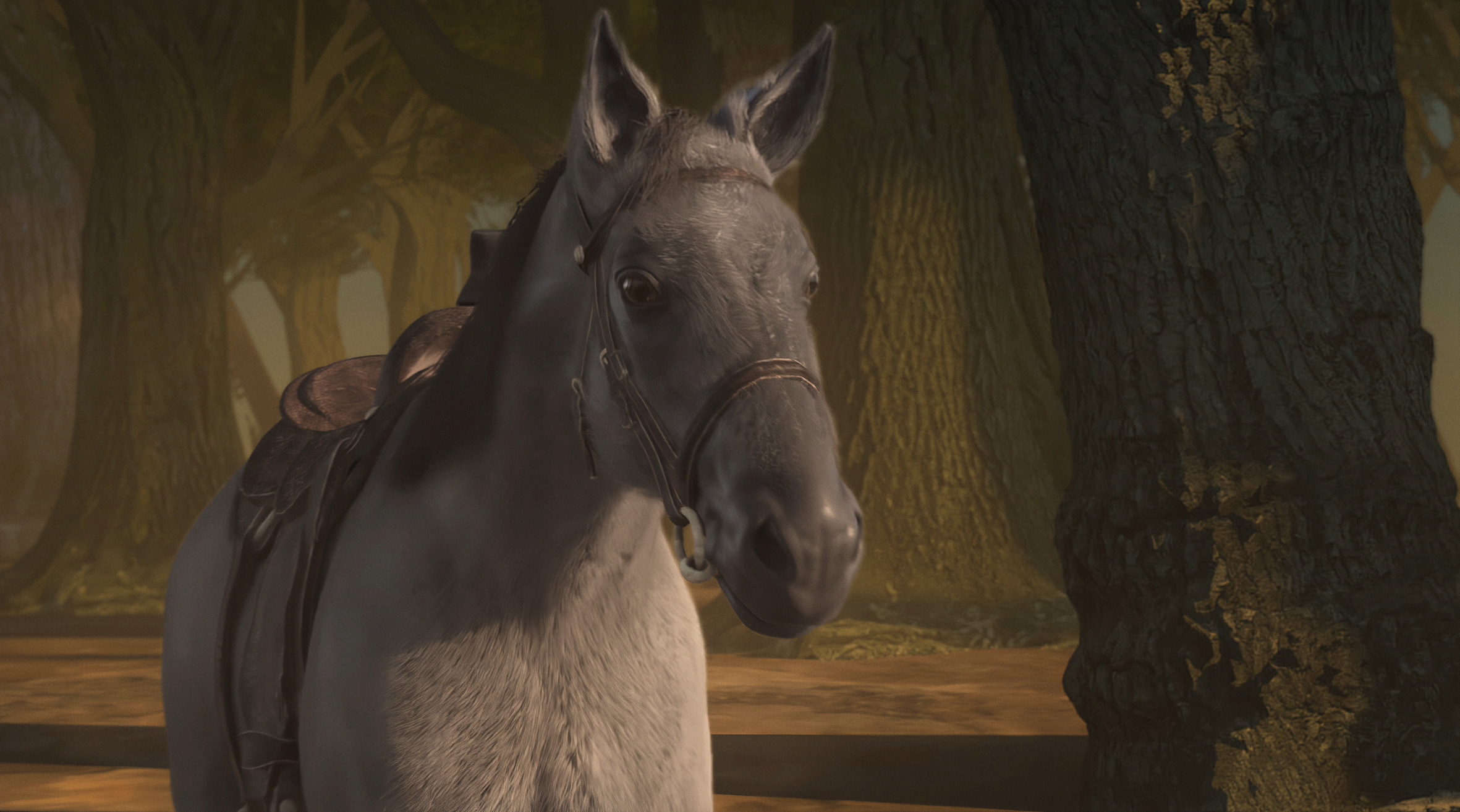
Animating complex animal movements, such as a horse's walk, trot, canter, or gallop, is notoriously difficult and requires precise, believable transitions. MotionMaker in Maya now features a dedicated horse motion archetype, leveraging AI to generate realistic base motions in mere seconds. This allows artists to bypass starting from scratch, providing a natural movement foundation upon which they can focus their creative efforts on refining performance, timing, and character personality. The generated motion remains fully editable, and the style can be adapted for other horse-like animals, expanding MotionMaker's existing support for bipedal and canine animations in production.
The initial exploration phase of creating 3D assets can be time-consuming. Wonder 3D, a generative AI model integrated into Autodesk Flow Studio (formerly Wonder Studio), offers a solution by enabling artists to generate 3D characters or objects using either a simple text prompt or a reference image. This functionality is particularly useful for previsualization, concept development, or efficiently populating background scenes and environments. The assets produced by Wonder 3D are fully editable, allowing artists to refine, remix, and reuse them before exporting to various applications such as 3ds Max, Maya, Blender, or Unreal Engine. Furthermore, a new Flow Studio Launcher within Maya streamlines access to these generative workflows.
AI is increasingly integrated into various stages of the production pipeline, enhancing areas like look development and even how artists interact with their software. A new Generative Textures API in Maya allows studios to connect their existing generative AI services directly into LookdevX, facilitating rapid exploration of multiple texture variations within Maya. Additionally, the technology preview of Autodesk Assistant offers a more intuitive way to work within 3ds Max and Maya. Users can pose questions in natural language, quickly locate necessary tools or information, and convert those answers into actionable steps within their workflow.
AI-powered tools are designed to complement and evolve existing trusted workflows, making content creation more accessible and efficient. This includes a modernized shot management system with a new Sequencer in Maya, featuring a redesigned high-DPI timeline and interface specifically built for previs and layout artists. For visual effects, Maya’s updated Rigid Body Dynamics workflow in Bifrost enables artists to easily scale destruction effects, from collapsing bridges to shattering walls, with intuitive debris simulations. Modeling benefits from Smart Bevel in both 3ds Max and Maya, which creates cleaner, more detailed bevels especially useful for post-Boolean intersections. OpenUSD workflows are simplified with Component Creator and Variant Manager in Maya, allowing for the creation of production-ready USD assets that seamlessly transfer between tools and teams with reduced technical overhead. These advancements represent a significant modernization of core workflows, where AI enhances creative control rather than replaces it.
MotionMaker in Maya includes a horse motion archetype that uses AI to generate a realistic base motion in seconds, allowing artists to start with natural movement and spend more time refining performance, timing, and character personality.
Yes. The generated motion remains fully editable, and the same motion styles can be applied to other horse-like animals such as deer or bison, building on MotionMaker’s existing biped and canine motion styles.
Wonder 3D generates 3D characters or objects from text prompts or reference images, making it ideal for previsualization, concept development, or quickly populating background scenes.
Maya software’s updated Bifrost Rigid Body Dynamics workflow makes destruction faster and easy to adjust, allowing artists to create strong simulations without rebuilding setups.
A new Sequencer (formerly Camera Sequencer) gives you a modern, high-DPI timeline and UI that lets you easily navigate across multiple shots and tracks. It adds clarity and control with features like color coding, custom labels, automatic thumbnails, and smarter grouping. And because everything is non-destructive, you can experiment freely.
Smart Bevel in 3ds Max and Maya creates smooth, high-quality geometry transitions and remains fully non-destructive, allowing artists to continue refining geometry through construction history, even across complex curved edge sets.