At Sacramento Regional Transit District (SacRT), the brave new world of artificial intelligence is no longer just a future possibility. AI is a tool we use daily to improve rider safety, keep our system well-maintained, and to streamline operations.
SacRT's Approach to AI Integration Sacramento Regional Transit District (SacRT) has actively integrated artificial intelligence into its daily operations, moving beyond theoretical discussions. AI is now a practical tool used to enhance rider safety, maintain the system effectively, and optimize operational efficiency. This approach aligns with the framework recommended by APTA's report on AI and Machine Learning in Public Transit, advocating for measured implementation through pilot programs after careful assessment of challenges, costs, and alternatives. AI-Enabled Drone Program for Maintenance and Safety SacRT has launched a pilot program utilizing two AI-enabled drones for almost daily scanning and monitoring of its facilities. Operated by a licensed former police drone pilot, one drone features thermal imaging for day and night operations, while the other incorporates 3D mapping technology. These drones survey rail tracks, structures, and facilities to identify maintenance issues early, such as broken fences, malfunctioning lights, overgrown vegetation, and even unauthorized encampments, sending immediate task lists to crews. This proactive system enhances employee safety by reducing the need for in-person inspections in high-risk areas and has proven cost-effective, even aiding in the apprehension of wire thieves. Bus-Mounted AI Cameras for Parking Enforcement SacRT has implemented two AI-based programs with its bus fleet. A hundred buses are equipped with forward-mounted AI cameras that automatically detect and report vehicles illegally blocking bus stops and bike lanes. This addresses a significant safety concern, particularly for riders with disabilities. The program operates via an innovative revenue-sharing contract with private AI companies and local jurisdictions, making it unique in the transit industry. This initiative not only reduces parking violations but has also generated substantial revenue for SacRT, with 35,000 citations bringing in $800,000 to date. Virtual Bus Stop and Shelter Inspections Expanding on the use of front-mounted bus cameras, SacRT now conducts ongoing virtual inspections of its bus stops and shelters. As buses arrive at each stop, AI cameras scan the surrounding area for safety hazards, graffiti, garbage, and other maintenance issues that could affect rider comfort and public perception. This data-driven approach allows SacRT to dispatch maintenance staff directly to precise problem locations with necessary tools and repair plans already in hand, saving time, reducing operational costs, and improving the agency's public image. Strategic Vision and Future Benefits of AI Adoption SacRT's assertive move into AI-assisted programming is driven by its leadership team and board of directors, who believe that combining creative thinking, entrepreneurial initiatives, and thoughtful adoption of new technology with private-sector partners will improve service and enhance community reputation, despite ongoing revenue challenges. The agency acknowledges that it, along with the broader transit industry, is in the early stages of this technology boom. However, the clear benefits show that AI is making SacRT a more modern, clean, and efficient agency, ultimately enabling it to better serve riders and the community while conserving resources.
SacRT's Approach to AI Integration
Sacramento Regional Transit District (SacRT) has actively integrated artificial intelligence into its daily operations, moving beyond theoretical discussions. AI is now a practical tool used to enhance rider safety, maintain the system effectively, and optimize operational efficiency. This approach aligns with the framework recommended by APTA's report on AI and Machine Learning in Public Transit, advocating for measured implementation through pilot programs after careful assessment of challenges, costs, and alternatives.
AI-Enabled Drone Program for Maintenance and Safety
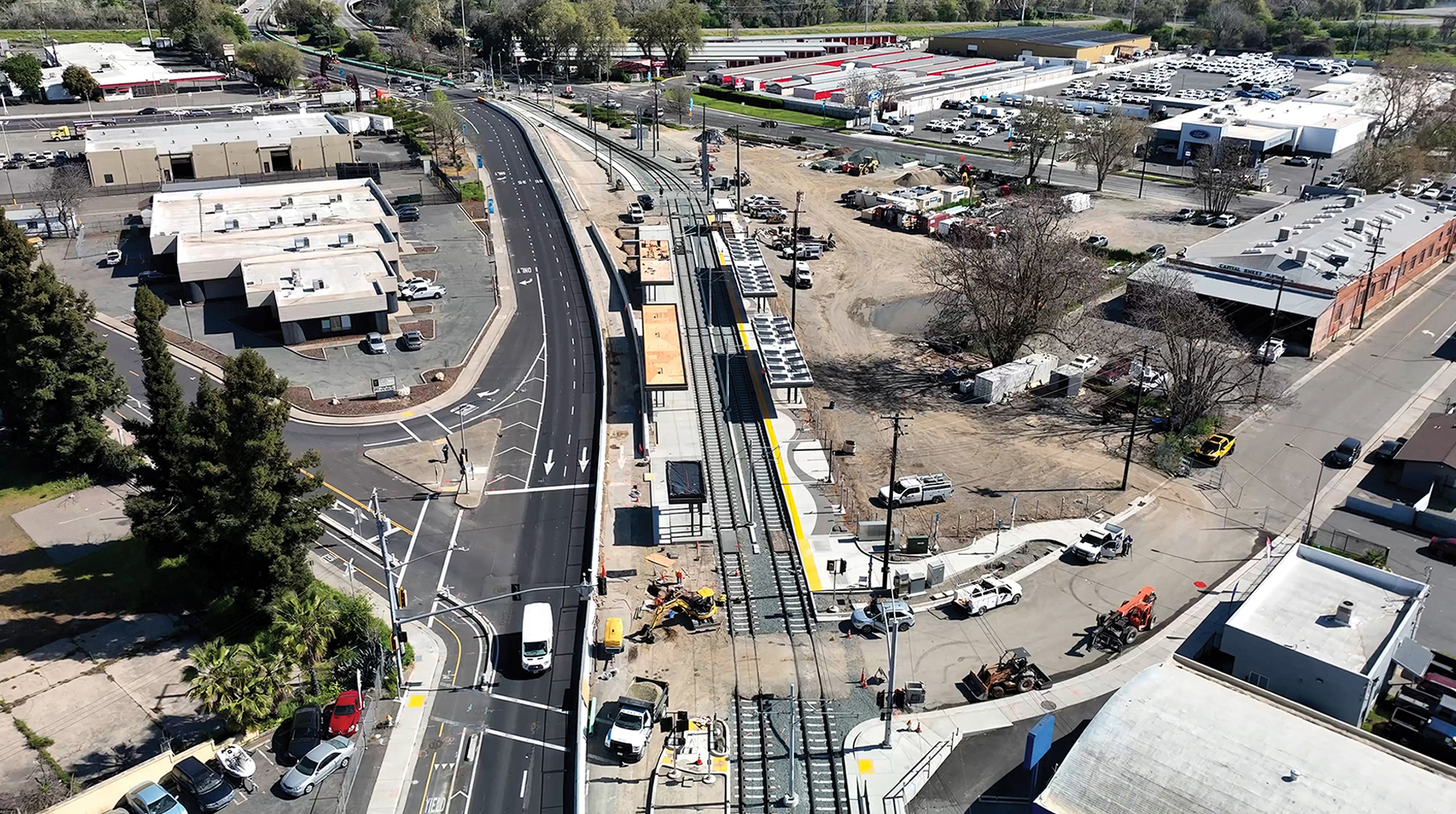
SacRT has launched a pilot program utilizing two AI-enabled drones for almost daily scanning and monitoring of its facilities. Operated by a licensed former police drone pilot, one drone features thermal imaging for day and night operations, while the other incorporates 3D mapping technology. These drones survey rail tracks, structures, and facilities to identify maintenance issues early, such as broken fences, malfunctioning lights, overgrown vegetation, and even unauthorized encampments, sending immediate task lists to crews. This proactive system enhances employee safety by reducing the need for in-person inspections in high-risk areas and has proven cost-effective, even aiding in the apprehension of wire thieves.
Bus-Mounted AI Cameras for Parking Enforcement
SacRT has implemented two AI-based programs with its bus fleet. A hundred buses are equipped with forward-mounted AI cameras that automatically detect and report vehicles illegally blocking bus stops and bike lanes. This addresses a significant safety concern, particularly for riders with disabilities. The program operates via an innovative revenue-sharing contract with private AI companies and local jurisdictions, making it unique in the transit industry. This initiative not only reduces parking violations but has also generated substantial revenue for SacRT, with 35,000 citations bringing in $800,000 to date.
Virtual Bus Stop and Shelter Inspections
Expanding on the use of front-mounted bus cameras, SacRT now conducts ongoing virtual inspections of its bus stops and shelters. As buses arrive at each stop, AI cameras scan the surrounding area for safety hazards, graffiti, garbage, and other maintenance issues that could affect rider comfort and public perception. This data-driven approach allows SacRT to dispatch maintenance staff directly to precise problem locations with necessary tools and repair plans already in hand, saving time, reducing operational costs, and improving the agency's public image.
Strategic Vision and Future Benefits of AI Adoption
SacRT's assertive move into AI-assisted programming is driven by its leadership team and board of directors, who believe that combining creative thinking, entrepreneurial initiatives, and thoughtful adoption of new technology with private-sector partners will improve service and enhance community reputation, despite ongoing revenue challenges. The agency acknowledges that it, along with the broader transit industry, is in the early stages of this technology boom. However, the clear benefits show that AI is making SacRT a more modern, clean, and efficient agency, ultimately enabling it to better serve riders and the community while conserving resources.