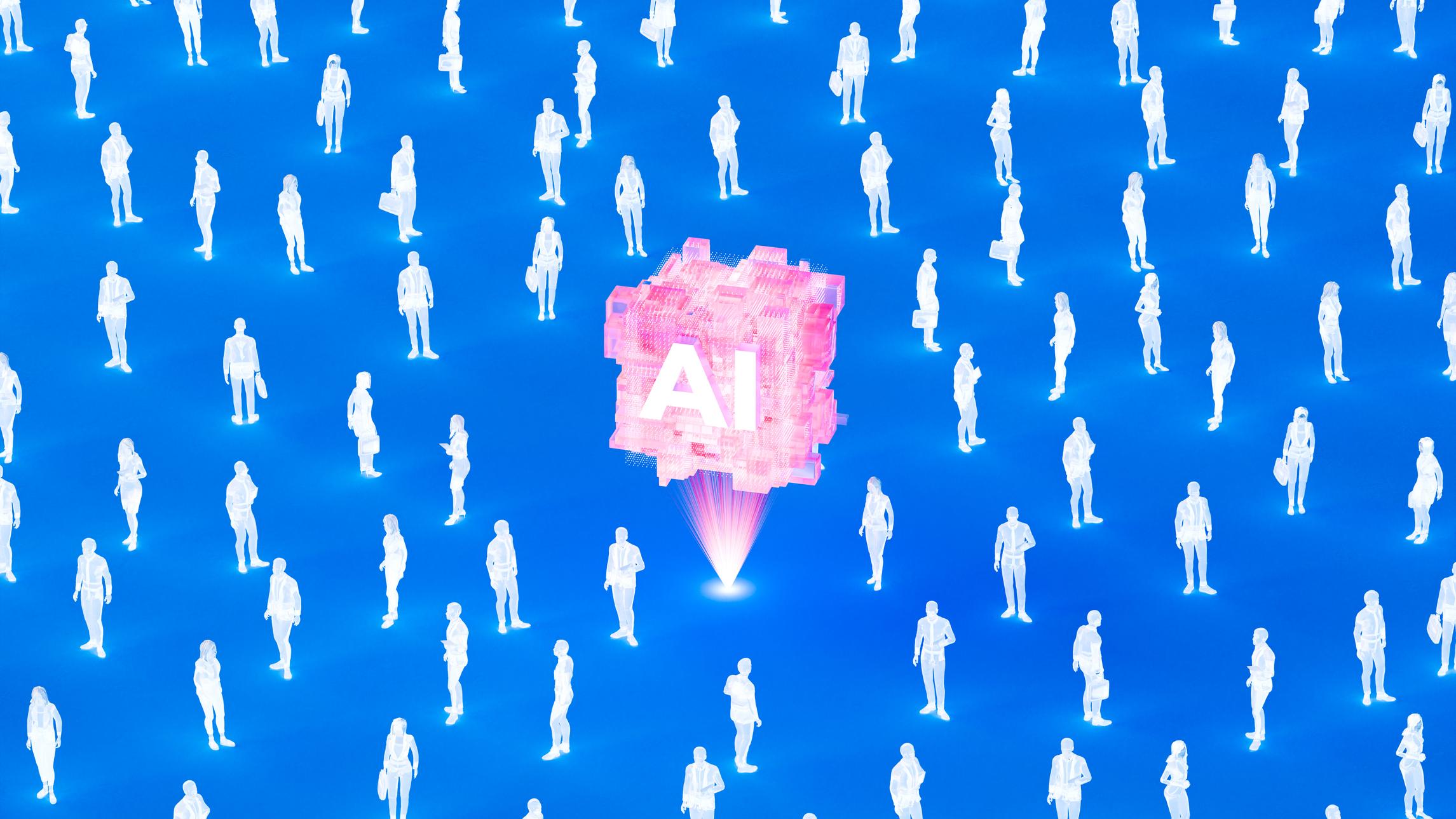
"Right now, Americans only see that the tech bros, Trump, and his allies get richer from AI," writes Lynn Forester de Rothschild.
The Urgent Challenge of Equitable AI Distribution The core debate surrounding artificial intelligence centers on its impact on working Americans, with its true value measured by how equitably its benefits are distributed. Public sentiment is currently negative, driven by a perception that AI primarily enriches a select few, such as "tech bros" and their political allies, while posing potential threats to ordinary citizens. This widespread skepticism is reflected in the rejection of data center propositions during recent midterm elections, highlighting a broader dissatisfaction with AI's current growth trajectory, despite its vital contribution to GDP. It is imperative for both business and government to collaboratively present solutions that assure widespread benefits for all. Cultivating an Ownership Economy for All A fundamental solution proposed by the author is to foster an "ownership economy," which would enable workers to directly participate in the wealth generated by artificial intelligence. This vision extends beyond individual philanthropic gestures, such as Elon Musk's suggestion of gifting SpaceX shares or Anthropic's establishment of a public benefit fund. Instead, it necessitates systemic changes to ensure that the broader workforce can genuinely own a stake in the unfolding technological revolution, making AI's prosperity truly inclusive. Empowering Employees in AI Integration Companies must actively involve their employees in the entire process of AI deployment, from identifying specific business needs to testing new AI applications and integrating them into daily operations. Employees possess invaluable practical knowledge about workflow breakdowns and areas where human judgment is irreplaceable, making their input crucial for successful and effective integration. Therefore, businesses should commit to investing in upskilling programs that align with real job openings, provide employees with time and resources for experimentation, and help managers redesign workflows. This approach ensures that the time and resources saved by AI are translated into improved services, innovative products, and new opportunities for both customers and staff. Strategic Workforce Development for the AI Era Preparing the current workforce for evolving responsibilities and creating accessible career paths for new entrants are critical components of a successful AI transition. As AI reshapes tasks, skills, and hiring demands across industries, companies must avoid solely prioritizing headcount reductions, as this strategy risks losing valuable and experienced talent who understand both the technology and the business operations. Instead, employers, educators, and policymakers should collaborate to establish robust pipelines, including apprenticeships, paid placements, internal mobility programs, and structured learning, to facilitate upward progression and adaptability for all workers, ensuring a skilled and ready workforce. Collaborative Investment for Inclusive AI Transition Bridging the public and private sectors through joint investment is essential to manage the transition to an AI-driven economy fairly. Lower-wage workers are disproportionately likely to require new occupations but often lack the means for retraining or absorbing temporary income loss, highlighting a critical need for targeted support. The article points to corporate initiatives like Verizon's $70 million "AI Skills for America" fund as a positive model. Furthermore, government tools such as the Workforce Pell program and proposed legislation, including the "Make AI Work for Americans Act" (aimed at funding training through AI company profits) and bipartisan bills for tracking AI-related job losses, demonstrate policy efforts, though many of these are yet to be enacted into law. This collaborative investment ensures that the burden of transition is not borne unevenly across society. The Synergy of Worker Prosperity and Business Competitiveness The article concludes by emphasizing that the interests of workers and businesses are fundamentally intertwined in the age of artificial intelligence. The strategic decisions made by companies regarding AI implementation will directly influence both their competitive edge and the future prospects of their employees. Inclusive capitalism, which champions expanding individuals' capacity to contribute to and benefit from economic prosperity, offers a practical framework for building sustainable business value. It advocates for immediate action, encouraging workers to actively shape the AI transition and share in the prosperity it generates, rather than delaying progress due to uncertainty about AI's ultimate societal and economic impact.
The Urgent Challenge of Equitable AI Distribution
The core debate surrounding artificial intelligence centers on its impact on working Americans, with its true value measured by how equitably its benefits are distributed. Public sentiment is currently negative, driven by a perception that AI primarily enriches a select few, such as "tech bros" and their political allies, while posing potential threats to ordinary citizens. This widespread skepticism is reflected in the rejection of data center propositions during recent midterm elections, highlighting a broader dissatisfaction with AI's current growth trajectory, despite its vital contribution to GDP. It is imperative for both business and government to collaboratively present solutions that assure widespread benefits for all.
Cultivating an Ownership Economy for All
A fundamental solution proposed by the author is to foster an "ownership economy," which would enable workers to directly participate in the wealth generated by artificial intelligence. This vision extends beyond individual philanthropic gestures, such as Elon Musk's suggestion of gifting SpaceX shares or Anthropic's establishment of a public benefit fund. Instead, it necessitates systemic changes to ensure that the broader workforce can genuinely own a stake in the unfolding technological revolution, making AI's prosperity truly inclusive.
Empowering Employees in AI Integration
Companies must actively involve their employees in the entire process of AI deployment, from identifying specific business needs to testing new AI applications and integrating them into daily operations. Employees possess invaluable practical knowledge about workflow breakdowns and areas where human judgment is irreplaceable, making their input crucial for successful and effective integration. Therefore, businesses should commit to investing in upskilling programs that align with real job openings, provide employees with time and resources for experimentation, and help managers redesign workflows. This approach ensures that the time and resources saved by AI are translated into improved services, innovative products, and new opportunities for both customers and staff.
Strategic Workforce Development for the AI Era
Preparing the current workforce for evolving responsibilities and creating accessible career paths for new entrants are critical components of a successful AI transition. As AI reshapes tasks, skills, and hiring demands across industries, companies must avoid solely prioritizing headcount reductions, as this strategy risks losing valuable and experienced talent who understand both the technology and the business operations. Instead, employers, educators, and policymakers should collaborate to establish robust pipelines, including apprenticeships, paid placements, internal mobility programs, and structured learning, to facilitate upward progression and adaptability for all workers, ensuring a skilled and ready workforce.
Collaborative Investment for Inclusive AI Transition
Bridging the public and private sectors through joint investment is essential to manage the transition to an AI-driven economy fairly. Lower-wage workers are disproportionately likely to require new occupations but often lack the means for retraining or absorbing temporary income loss, highlighting a critical need for targeted support. The article points to corporate initiatives like Verizon's $70 million "AI Skills for America" fund as a positive model. Furthermore, government tools such as the Workforce Pell program and proposed legislation, including the "Make AI Work for Americans Act" (aimed at funding training through AI company profits) and bipartisan bills for tracking AI-related job losses, demonstrate policy efforts, though many of these are yet to be enacted into law. This collaborative investment ensures that the burden of transition is not borne unevenly across society.
The Synergy of Worker Prosperity and Business Competitiveness
The article concludes by emphasizing that the interests of workers and businesses are fundamentally intertwined in the age of artificial intelligence. The strategic decisions made by companies regarding AI implementation will directly influence both their competitive edge and the future prospects of their employees. Inclusive capitalism, which champions expanding individuals' capacity to contribute to and benefit from economic prosperity, offers a practical framework for building sustainable business value. It advocates for immediate action, encouraging workers to actively shape the AI transition and share in the prosperity it generates, rather than delaying progress due to uncertainty about AI's ultimate societal and economic impact.