Quick Buzz Feed

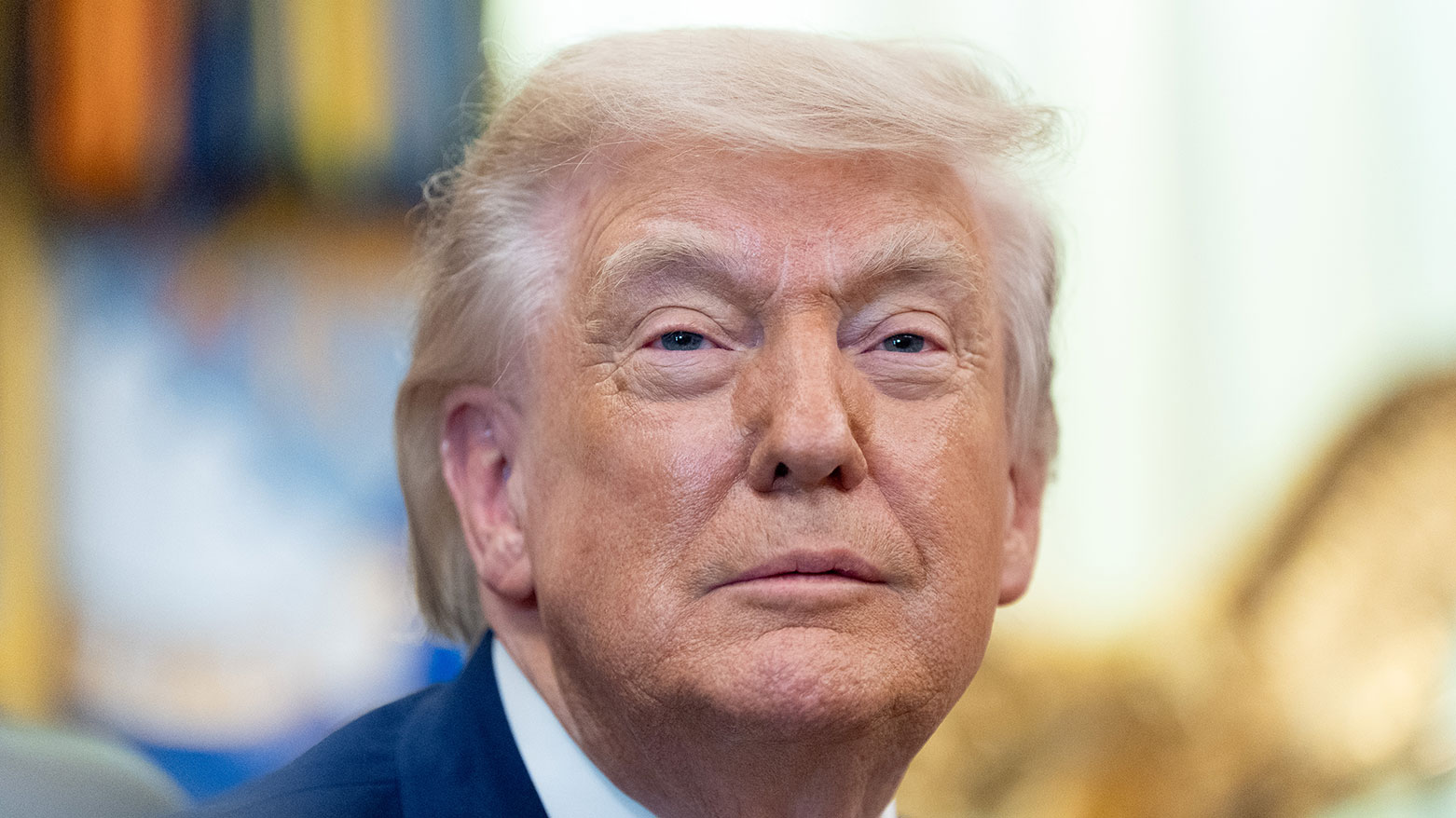
The U.S. President has turned Truth Social into a gallery of A.I.-crafted personas, Naruto Uzumaki, king, fighter pilot, Mount Rushmore icon, marking an evolution in how American leaders speak directly to the public.
President Donald Trump has made extensive use of artificial intelligence in his political communication, particularly on Truth Social. This trend became highly visible with posts like his face carved into Mount Rushmore, or depictions of him as various pop culture and heroic figures, including Naruto Uzumaki, a crowned fighter pilot, or even a white-robed healer. These AI-generated visuals are frequently bold, humorous, and unapologetic, forming a crucial part of his strategy to bypass traditional media outlets. By directly crafting and disseminating his own visual narrative, Trump uses AI not just as a novelty, but as a central tool for branding, storytelling, and direct voter engagement, signifying a major evolution in how American leaders interact with the public.
The integration of AI into Trump's political playbook traces back to late 2022, becoming more prominent during the 2024 presidential campaign as the technology matured. During this period, numerous AI images and videos were posted to support his re-election, featuring imaginative scenarios such as Elon Musk alongside a "D.O.G.E." logo or lighthearted scenes of Trump interacting with various animals. As his second term progressed into 2025 and 2026, the AI content evolved, becoming more cinematic and diverse. Recurring themes portrayed him as a monarch, superhero, historical colossus, or triumphant showman, often alongside satirical jabs at political opponents. Notably, AI-generated content was even employed during the Iran war in late February, demonstrating its versatile application across different political contexts. This strategic adoption of AI parallels earlier technological turning points in American politics, such as Franklin D. Roosevelt's radio fireside chats or John F. Kennedy's mastery of television, by leveraging the visual language of the digital age.
Beyond its use in communication, artificial intelligence has also been a significant focus of the Trump administration's policy agenda. On his first full day in office in January 2025, President Trump signed Executive Order 14179, aimed at "Removing Barriers to American Leadership in Artificial Intelligence," by revoking prior restrictions that he argued impeded innovation. By July of the same year, the White House introduced "America's A.I. Action Plan," a comprehensive 25-page document. This blueprint emphasized a strategy of deregulation, accelerated permitting for data centers, promotion of youth education in AI, and the export of American technology stacks to maintain a competitive edge against nations like China. Subsequent orders further accelerated federal adoption of trustworthy AI, preempted state laws deemed burdensome to developers, and in June 2026, directed efforts to promote advanced AI innovation and security through robust public-private partnerships. These measures reflect the administration's commitment to securing and sustaining United States dominance in the global AI landscape, framing these steps as critical for national advantage.
The widespread adoption of generative AI in politics, exemplified by President Trump's approach, carries profound implications for both technology experts and media scholars. This technology drastically lowers the cost of political storytelling, enabling leaders to test messages almost instantaneously and precisely tailor them for diverse, niche audiences. For his supporters, Trump's AI posts cultivate a unique sense of intimacy and amusement, showcasing a leader who can project confidence while engaging in self-deprecating humor. However, critics raise valid concerns about the potential for blurred lines between transparent satire and misleading reality, especially as AI tools become increasingly sophisticated, capable of generating lifelike video and audio. Despite these concerns, his defenders argue that the fantastical nature of the content makes it distinct from deception, akin to editorial cartooning. Regardless of interpretation, this experiment has undeniably normalized AI as a legitimate and potent medium for political communication. Historians may eventually view Trump's Truth Social gallery as a foundational moment, marking the beginning of a transformation where elected leaders might increasingly engage with the public through personalized AI-generated town halls or detailed policy explainers. This highlights a shift where leaders may increasingly leverage AI to create their most impactful public images.