Quick Buzz Feed

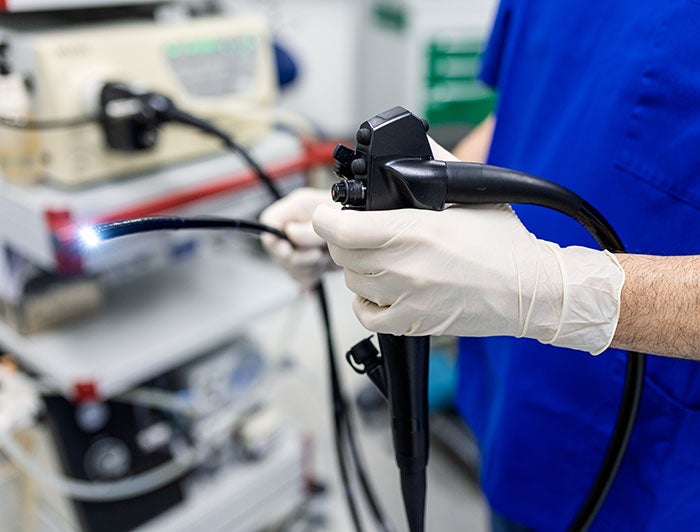
Trinity Regional Medical Center in Fort Dodge, Iowa, has significantly enhanced its colorectal cancer screening program by integrating advanced artificial intelligence (AI) technology. This innovative system analyzes colonoscopy images in real time, providing immediate alerts to physicians about small or hard-to-detect polyps that might otherwise be missed. This crucial development aims to improve the early detection of precancerous growths, thereby enabling timely intervention and preventing the progression to full-blown cancer, underscoring the hospital's commitment to cutting-edge patient care and disease prevention.
UnityPoint Health – Trinity Regional Medical Center, located in Fort Dodge, Iowa, is at the forefront of medical innovation, having successfully integrated sophisticated artificial intelligence technology into its colonoscopy procedures. This groundbreaking initiative is specifically designed to significantly improve the accuracy and efficacy of early detection for colorectal cancer, which remains a leading cause of cancer-related mortality. The hospital’s proactive adoption of AI highlights its dedication to deploying advanced diagnostic tools that promise to transform patient care. By augmenting the traditional colonoscopy with AI, Trinity Regional Medical Center aims to enhance the precision of screenings, allowing for the identification of potential threats at their most nascent stages. This strategic move is poised to profoundly impact public health, ensuring that precancerous lesions are identified and addressed long before they can develop into life-threatening malignancies, thereby offering patients a greater chance of successful treatment and long-term health.
At the core of Trinity Regional Medical Center's enhanced screening protocols lies the innovative GI Genius™ system. This state-of-the-art AI technology operates seamlessly during live colonoscopy procedures, meticulously analyzing the vast stream of images generated in real time. Its sophisticated algorithms are trained to identify even the most subtle abnormalities, specifically focusing on polyps that might be small, flat, or located in anatomically challenging areas of the colon where they could easily be overlooked by the human eye. The system's immediate alert mechanism provides physicians with crucial, instantaneous feedback, acting as a dynamic second observer. This capability dramatically increases the detection rate of precancerous growths. The proactive identification and subsequent removal of these polyps are critical interventions, as they directly prevent the potential for these lesions to progress into invasive colorectal cancer, offering a powerful tool in the fight against this disease.
Trinity Regional Medical Center emphasizes a collaborative approach where human expertise remains paramount, even with advanced AI integration. All colonoscopy procedures are performed and meticulously overseen by highly qualified medical professionals, including specialists from UnityPoint Clinic Kenyon Road - Gastroenterology and UnityPoint Clinic Surgery. These physicians maintain complete command over every aspect of the procedure, from navigating the endoscope to making all critical clinical decisions regarding diagnosis and treatment plans. The GI Genius™ AI technology functions purely as an intelligent assist, metaphorically serving as an "additional set of eyes" for the clinician. It enhances the physician's capabilities by providing supplementary insights and highlighting areas that warrant further, closer inspection. This synergistic model ensures that the invaluable experience, clinical judgment, and direct patient interaction provided by the physician are complemented by the AI's objective and precise analytical power, thereby optimizing the thoroughness and reliability of each screening.
Beyond the adoption of cutting-edge technology, Trinity Regional Medical Center is also deeply committed to broadening access to its vital colorectal cancer screening services for the wider community. The hospital has made tangible strides in increasing its operational capacity to perform these life-saving procedures, ensuring more individuals can benefit from early detection. A significant indicator of this commitment is the substantial growth in the volume of colonoscopies conducted by the surgical team. In the year 2025 alone, Trinity Regional Medical Center performed an impressive total of over 1,700 colonoscopies. This figure represents a noteworthy increase of nearly 300 procedures compared to the previous year, demonstrating a clear upward trend in service provision. This expansion is critical for public health, as greater access to timely and accurate screenings means more opportunities for early diagnosis and intervention, which are pivotal in achieving better long-term health outcomes and reducing the burden of colorectal cancer within the community.