Quick Buzz Feed

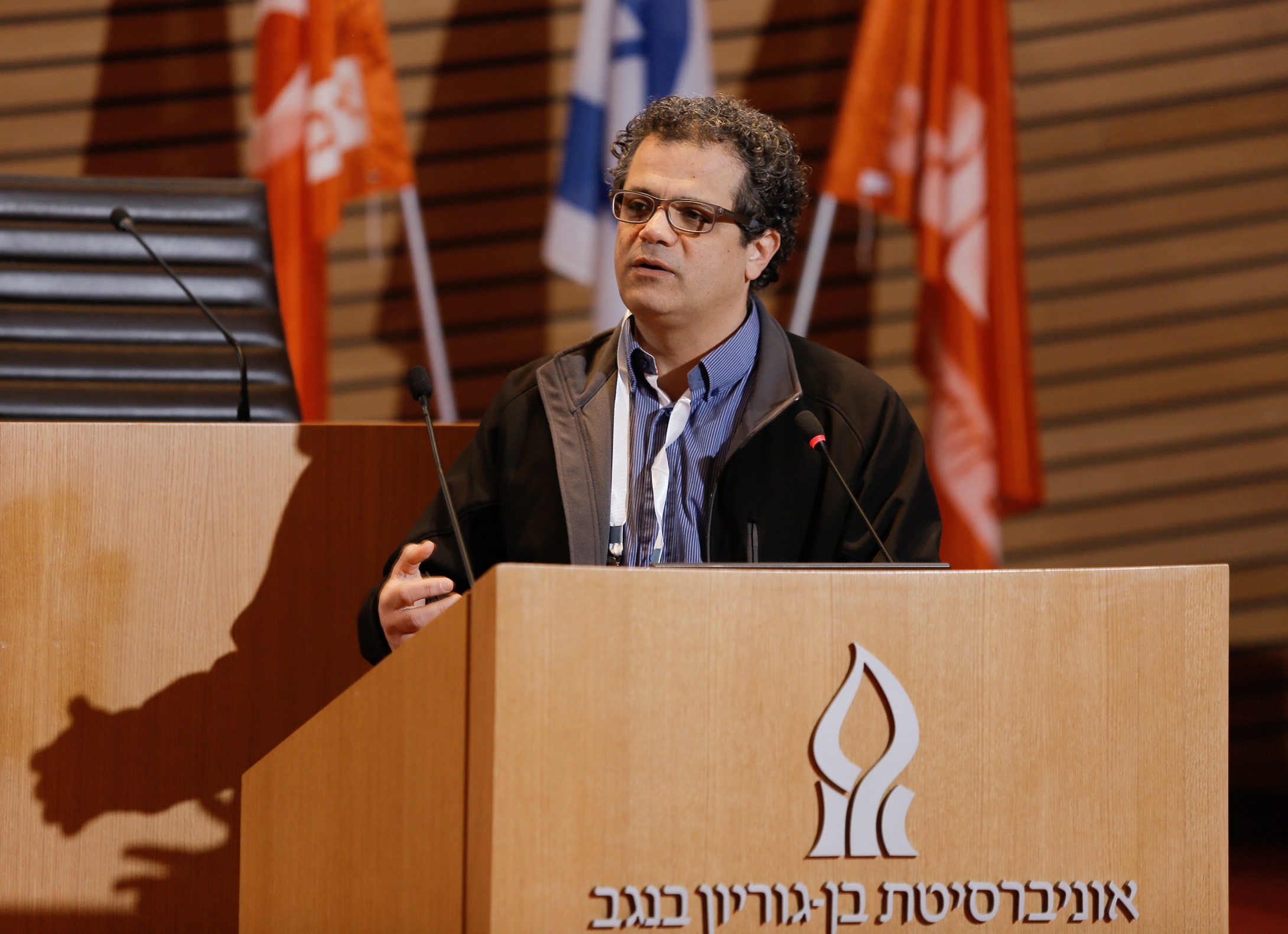
A computer scientist from Ben-Gurion University is set to be Israel's only representative on a new 40-member Independent International Scientific Panel on AI, established by the United Nations to shape global artificial intelligence policy and examine its societal influence.
Professor Lior Rokach of Ben-Gurion University's Stein Faculty of Computer and Information Science has been selected by UN Secretary-General António Guterres to join the 40-member Independent International Scientific Panel on AI. He was chosen from over 2,600 candidates across 140 countries and will be Israel's sole representative on this new scientific body, a significant recognition of his expertise in artificial intelligence.
The newly formed UN panel is designed to thoroughly examine the growing influence of artificial intelligence on societies worldwide. Its primary objectives include providing evidence-based guidance to international decision-makers and serving as an early warning mechanism for emerging AI developments and potential risks in non-military sectors. The panel will also publish annual position papers to bridge the gap between AI research and policy, making critical AI knowledge accessible globally to inform policy decisions.
Prof. Daniel Chamovitz, President of Ben-Gurion University of the Negev, emphasized that Professor Rokach's appointment underscores his significant scientific leadership, highlighting his status as one of the most cited researchers in his field. This recognition also reflects the high caliber and excellence of the university's newly established Stein Faculty of Computer and Information Science, affirming its role in cutting-edge AI research.
Professor Rokach will collaborate with other globally recognized experts on the panel, bringing diverse perspectives to global AI policy. Notable members include Professor Yoshua Bengio, a Turing Award laureate renowned for his pioneering contributions to deep learning, and Professor Maria Ressa, a Nobel Peace Prize winner acclaimed for her work addressing disinformation and online manipulation, particularly as it relates to AI technologies. This diverse composition ensures a comprehensive approach to AI challenges.
The Stein Faculty, established recently at Ben-Gurion University, is strategically structured to concentrate on key technological domains crucial for the future: cybersecurity, artificial intelligence, and computer science. Instead of traditional departmental divisions, it operates through five specialized research institutes dedicated to foundational AI, applied AI research, theoretical computer science, interdisciplinary computational science, and the broader field of software, systems, and security, fostering a holistic approach to technological advancement.
The university anticipates Professor Rokach will be available for interviews following the UN's formal ratification of the panel's membership. Ben-Gurion University, located in Beersheba, identifies itself as a leading center for innovation, particularly in areas like cybersecurity, climate, water, and health technologies. This aligns with David Ben-Gurion's foundational vision of the Negev desert not just as a regional hub, but as a source of solutions for Israel and the wider world, showcasing its commitment to global scientific contributions.