Quick Buzz Feed

Goal is to address the future of energy and artificial intelligence
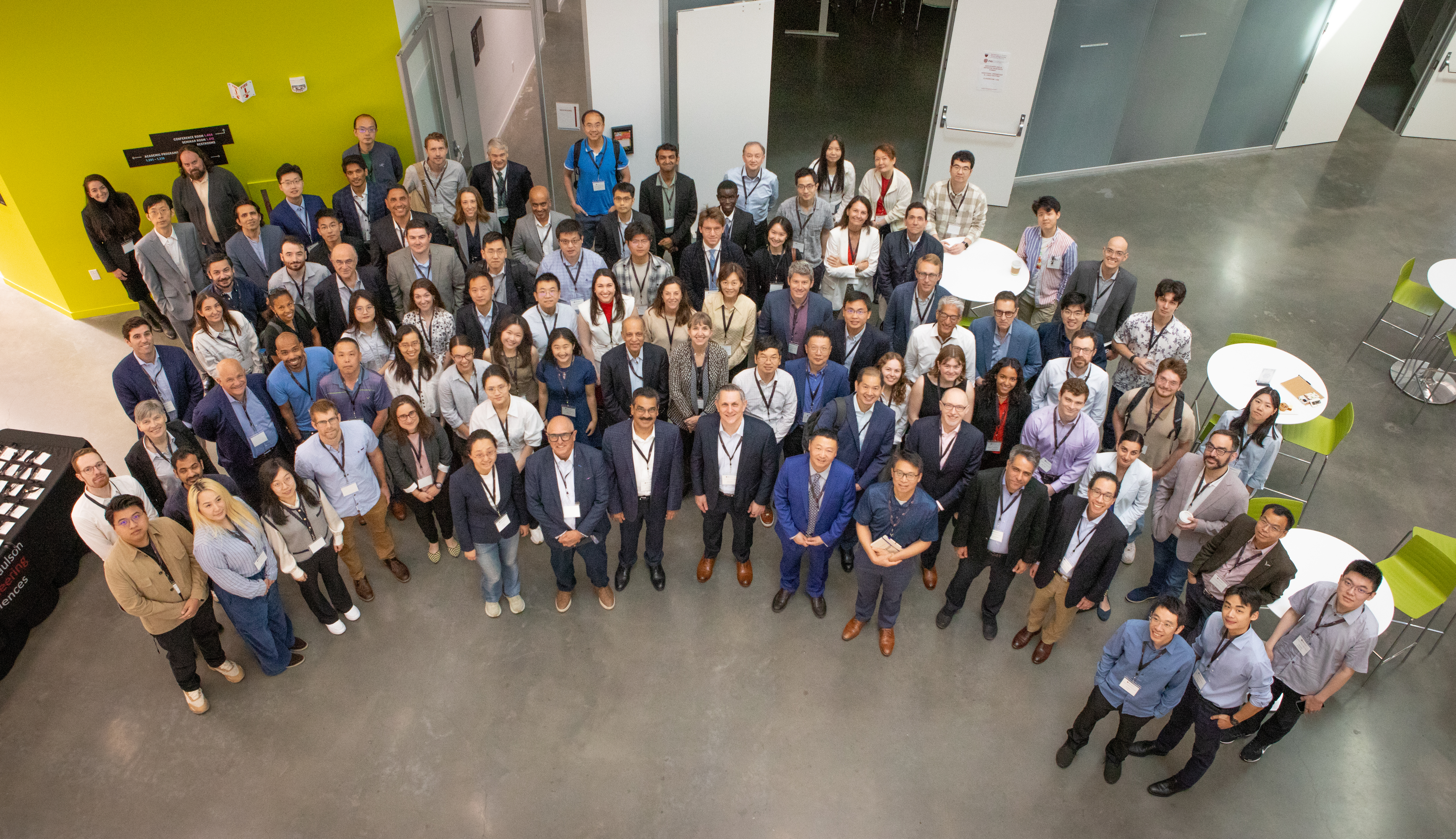
The 2026 Power and AI Initiative Research Summit, hosted by Harvard John A. Paulson School of Engineering and Applied Sciences (SEAS), gathered leaders from academia, industry, government, and technology to discuss the intersection of AI and modern power systems. The initiative, co-directed by Prof. Le Xie and Prof. Minlan Yu, aims to build a collaborative ecosystem for solutions in this critical field.
A primary focus of the summit was the escalating demand for scalable and reliable energy systems. Discussions centered on how utilities, researchers, and policymakers can collaborate to ensure energy infrastructure meets growing computational needs sustainably. Participants widely acknowledged the increasingly intertwined future of artificial intelligence and energy infrastructure.
The summit explored various crucial themes, including grid resilience, energy security, the impact of data center growth, integration of clean energy, and the use of predictive analytics for optimizing power distribution and infrastructure planning. Emphasis was also placed on responsible AI implementation, encompassing safety, cybersecurity, regulatory frameworks, and equitable access to these emerging technologies.
Workforce development and multidisciplinary training were highlighted as essential needs. Professor Lene V. Hau, Academic Dean for Education at SEAS, discussed Harvard's commitment to these efforts, noting the upcoming launch of a new undergraduate concentration in 'Energy, Climate, and the Environment' in the 2026-2027 academic year, which will incorporate many topics addressed at the summit.
The summit concluded with a strong commitment from the Power and AI Initiative's leadership to foster ongoing collaboration among researchers, industry experts, policymakers, and technology leaders. Prof. Xie and Prof. Yu stressed Harvard's leadership in addressing the critical challenges at the intersection of power systems and AI, advocating for rigorous scholarship, education, and strong academia-industry partnerships to build resilient, reliable, and sustainable energy systems for the AI era.