Quick Buzz Feed

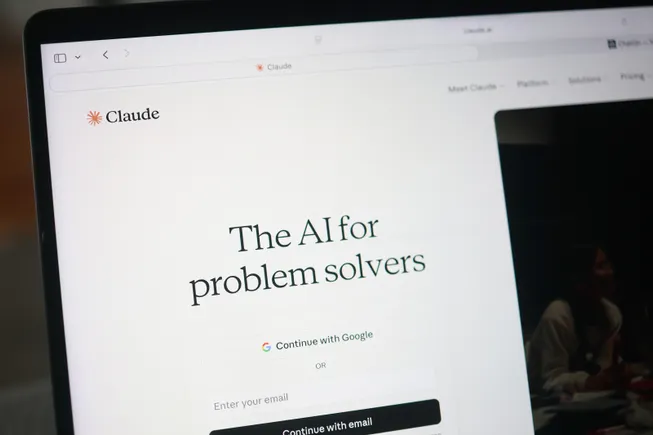
That use can include inputting employee names and performance details into a public artificial intelligence platform, a survey found.
A recent survey conducted by The Predictive Index, which gathered insights from 399 managers and 208 CEOs and business leaders across various industries, revealed a significant trend: nearly three out of four managers (72%) view public artificial intelligence tools as highly useful for preparing for challenging workplace discussions. More notably, a substantial 44% of these managers admitted to actively inputting sensitive employee information, including names and performance details, directly into these public AI platforms. This widespread adoption underscores a growing reliance on readily available AI solutions to navigate complex interpersonal aspects of their roles, potentially due to a perceived lack of adequate internal support or guidance. The utility of these tools for scenario planning, scripting responses, or organizing thoughts for crucial feedback sessions appears to be a major driving factor, even when dealing with confidential data.
Despite the increasing and somewhat concerning use of public AI tools by managers, a significant policy gap exists within organizations. The survey highlighted that a mere 45% of the companies polled possess a formal, written policy specifically addressing the use of artificial intelligence in performance management processes. This presents a considerable risk, as the absence of clear guidelines leaves organizations vulnerable to potential data privacy breaches, ethical dilemmas, and inconsistent application of AI, particularly when managers are inputting confidential employee information into platforms without internal oversight. The lack of such policies suggests that many organizations have not yet caught up with the rapid integration of AI into daily managerial tasks, failing to establish necessary boundaries and safeguards for sensitive HR data.
The research strongly indicates that managers are not self-sufficient when it comes to preparing for hard conversations; in fact, only one in five managers surveyed expressed a preference for preparing on their own. The overwhelming majority actively seek some form of guidance, whether it be a structured framework, a coaching guide, or direct input from human resources departments. This finding suggests a substantial demand for robust internal support systems designed to equip managers with the necessary skills and resources to handle delicate employee interactions. Their inclination to turn to public AI in the absence of such internal frameworks further emphasizes the critical need for organizations to develop comprehensive training and tools that are secure, relevant, and tailored to their specific workplace culture and policies.
When asked about their specific difficulties in conducting challenging conversations, managers consistently identified several key areas of struggle. These included the delicate art of delivering constructive criticism effectively without demotivating employees, the complex task of anticipating an employee's emotional or professional reaction, and the crucial requirement of maintaining objectivity throughout the discussion process. These struggles point to the inherent emotional and psychological demands of performance management, suggesting that while AI tools might help with drafting or structuring conversations, they may not fully address the nuanced human skills required to execute these discussions successfully. Addressing these core pain points through targeted training and support could significantly improve the quality and impact of manager-employee interactions.
The article places managers' struggles and their use of AI within a broader context, noting that managers are frequently identified as a "weaker link" in the overall performance review process, with one report from WTW indicating that only 1 in 5 managers effectively provide feedback. This perception has led more organizations to consider and implement AI tools to assist in performance management. While AI can streamline tasks like data gathering and initial report drafting, experts issue strong warnings regarding its use. They highlight the significant risks of AI amplifying existing biases and the complex legal ramifications that arise when such technology is integrated into sensitive HR functions. Therefore, organizations must proceed with caution, balancing the efficiency gains of AI with the imperative to ensure fairness, legality, and ethical handling of employee data.