Quick Buzz Feed

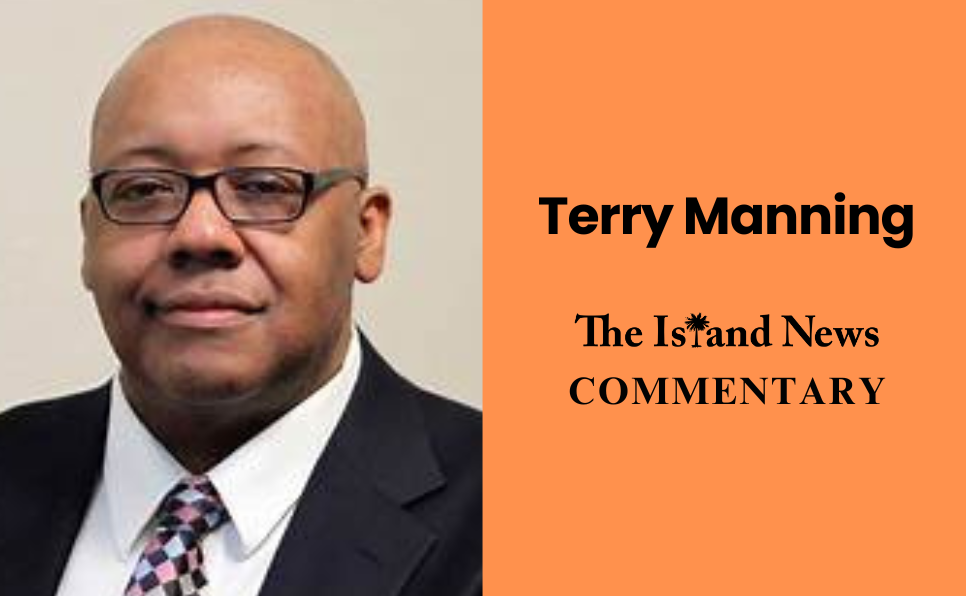
First, I don't hate artificial intelligence. I have to remind myself and others of that from time to time. A look at my social media posts would imply otherwise.
The author clarifies that despite appearing critical on social media, they do not hate artificial intelligence and use it frequently. They cite their slow typing speed as a practical reason for embracing AI tools in their daily work.
Grammarly is a key AI tool the author uses for writing, specifically to identify and correct errors. They appreciate that it offers suggestions without attempting to rewrite entire passages, thus preserving their original communication style.
In photo editing, the author utilizes AI features in Adobe Photoshop and Lightroom, such as the 'Enhance Portrait' preset. However, they emphasize the necessity of human intervention to refine the AI's output, preventing unnatural effects and maintaining artistic control.
AI's presence extends to everyday tasks, with the author using Alexa for quick trivia and Siri for basic functions like timers and directions. While acknowledging Siri's limitations, they also incorporate voice recognition on their laptop to increase writing efficiency.
The author transitions to expressing their core concerns about AI. They dislike its manipulative marketing, the environmental impact of large data centers often located in marginalized communities, and the justification by billionaires to use AI for mass layoffs, displacing human workers from essential jobs.
A significant worry is that AI promotes homogeneity and discourages young people from developing critical thinking, learning, and expressing unique perspectives. The author vehemently rejects the narrative that the widespread adoption of AI and its negative consequences are an 'inevitable' part of progress.