Quick Buzz Feed

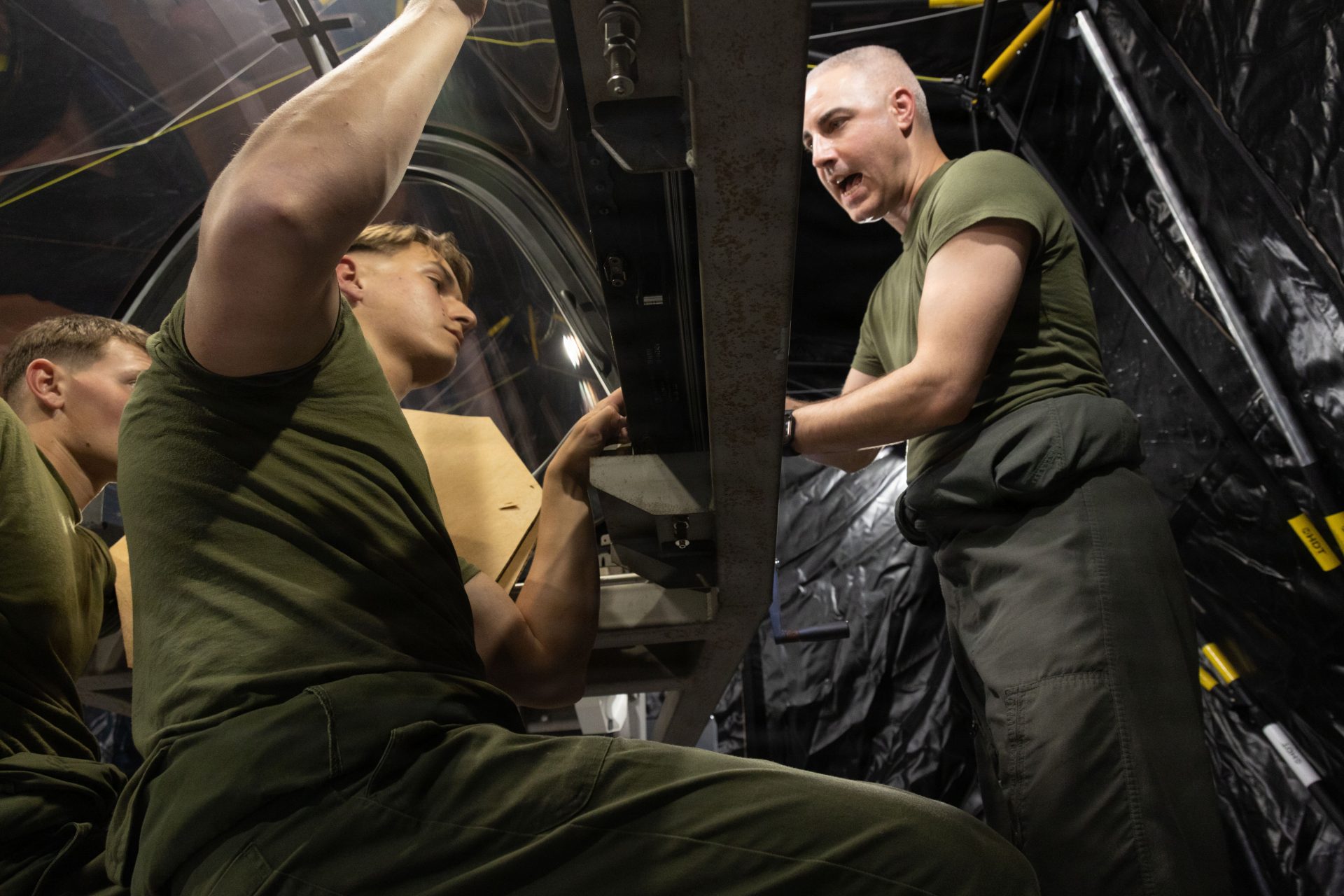
The Marine Corps is prototyping artificial intelligence tools to inventory aviation supplies and predict aircraft maintenance issues.
The Marine Corps is actively engaged in prototyping cutting-edge artificial intelligence tools designed to revolutionize the inventory management of aviation supplies and enhance the prediction of aircraft maintenance issues. This significant undertaking aims to move beyond what officials have deemed “outdated” methodologies, ultimately ensuring the service's diverse flying fleet remains in a state of high readiness. According to Lt. Gen. William Swan, deputy commandant for aviation, the core objective is to shift from reactive repairs to proactive interventions. This means identifying and changing components before they fail, preventing critical in-air emergencies, and avoiding unscheduled landings in undesirable locations. The initiative envisions a seamless integration where advanced supply chain logistics and predictive maintenance insights culminate in superior operational readiness for Marine Corps aircraft.
Military aviation maintenance consistently presents an expensive and complex challenge across all branches, including the Marine Corps. This perennial issue is compounded by several critical factors: the increasing age of existing aircraft platforms, persistent personnel shortages within maintenance crews, and highly competitive and often congested global supply chains for parts and components. Lt. Gen. Swan recently disclosed that the Marine Corps’ aviation units are currently operating at an average mission-capable rate of approximately 62-64%, with training squadrons exhibiting even lower readiness levels. This indicates a significant operational gap that the new AI-powered solutions are specifically designed to address, aiming to bolster the overall health and availability of the fleet. The imperative is to find innovative ways to overcome these deep-seated systemic issues affecting aircraft readiness.
The Marine Corps has formally integrated its new artificial intelligence efforts into Project Eagle, an overarching “strategic blueprint” guiding the modernization of its Aviation Combat Element. This comprehensive project is designed to strike a crucial balance between responding to immediate crises and pursuing long-term technological advancements. The service's annual aviation plan, published in February, underscores the central role of AI in overcoming sustainment challenges by fostering a “data-enabled culture” across its aircraft maintenance community. This culture shift promotes a more proactive and informed approach to repairs and operational readiness. While the development of AI and machine learning for aviation sustainment was previously identified as “isolated and underfunded,” officials confirm that it has now been elevated to a prioritized initiative, reflecting a significant commitment of resources and strategic focus.
The foundational work for this AI transformation began several years ago, specifically in 2022. During this period, the Marine Corps commenced the meticulous cataloging of all repair parts and “consumables” for the F-35 Lightning II. This undertaking was necessitated by a critical realization that the service's conventional methods for maintenance and resupply were “outdated” and inefficient. Colonel Robert Petersen, head of the Corps’ aviation sustainment branch, explained that vast amounts of crucial F-35 data were “siloed” and largely inaccessible for meaningful analysis. The F-35 was chosen as the initial focus due to the inherent complexities of its global supply chain. Progress has been made, with the creation of two “notional” parts packages using the prototyped AI tools. Furthermore, the Marine Corps has expanded its data collection efforts to include the KC-130J aircraft, signaling a broader application of these new AI capabilities across its diverse fleet.
A pivotal aspect of the Marine Corps' AI strategy is the transition from reactive maintenance — replacing parts only after they break — to a proactive, predictive model. The new “Maintenance Assessment Tool” is at the heart of this shift, leveraging extensive historical data from maintenance systems to analyze part reliability and understand the environmental factors affecting operational performance. This tool is designed to forecast, with a high degree of probability, when specific components are likely to fail. As Lt. Gen. Swan noted, achieving a 90% accuracy rate in these predictions would be “good enough” to enable timely, pre-emptive part replacements. This predictive capability aims to significantly enhance aircraft availability and reduce the likelihood of unexpected malfunctions, ultimately leading to a more efficient and reliable aviation fleet. The Maintenance Assessment Tool is scheduled to be deployed to a Marine Corps Air Station Yuma unit this summer, marking a critical step in this modernization effort.