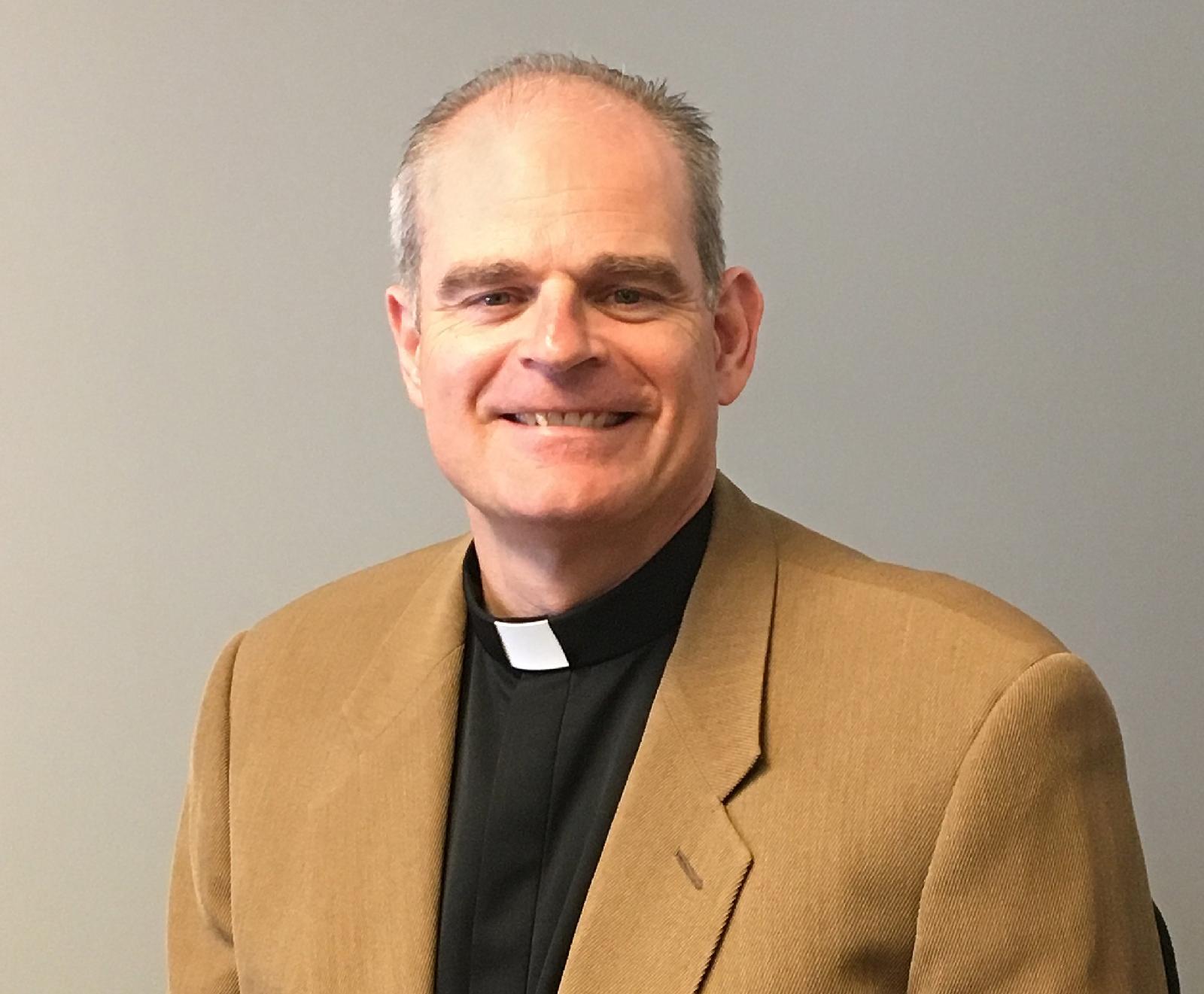
Father Brendan McGuire, a former Silicon Valley technology executive and now pastor of St. Simon Catholic Parish in Los Altos, California, is actively shaping the moral conscience of the artificial intelligence industry. He was invited by AI company Anthropic to advise on creating an ethical framework for its AI system, Claude, particularly regarding complex moral questions. McGuire leverages his unique background to bridge the gap between technology and ethics, emphasizing the urgent need for humanity to address the implications of AI development seriously.
Bridge for two worlds
Father Brendan McGuire, 60, possesses engineering and computer science degrees from Trinity College Dublin and completed Stanford University’s executive business program. After years as a technology executive in Silicon Valley, he became a priest 26 years ago. McGuire sees his role as connecting the worlds of technology and faith. Following Pope Leo XIV’s encyclical, 'Magnifica Humanitas: On Safeguarding the Human Person in the Time of Artificial Intelligence,' he underscored the urgency of the pope’s message, warning that passivity could lead to grave consequences for humanity if AI development is not taken seriously.
‘Disarmament of the algorithms’
Father McGuire found Pope Leo XIV’s call for a 'disarmament of the algorithms' particularly striking. This concept advocates for a deliberate slowdown in the competitive rush to develop increasingly powerful AI systems. McGuire compared this 'algorithmic race' to the nuclear arms race, highlighting its potential dangers and the need for thoughtful consideration. In 2019, he co-founded the Institute for Technology, Ethics and Culture (ITEC) in partnership with Santa Clara University and the Vatican, aiming to unite business, academic, and faith leaders to tackle the moral challenges presented by AI. He believes the encyclical helps recenter AI development around human flourishing.
AI engagement is everyone’s responsibility
Father McGuire stresses that Pope Leo’s challenge extends beyond technologists to include governments, regulatory bodies, ordinary users, and even non-smartphone users. He argues that everyone has a responsibility to engage with AI development, as its effects will be widespread. He warns against leaving AI ethics solely to market forces, despite the trillions of dollars flowing into the industry. McGuire asserts that 'Capitalism needs human guidance,' which he believes the pope’s message provides, emphasizing that economic returns should not override ethical considerations in AI development.
‘Transparency leads to accountability’
The priest expresses skepticism about industry self-regulation, advocating for transparency as the essential first step toward accountability in AI development. He argues that transparency fosters trust, which is crucial for building responsible AI. Without knowing how AI systems are developed and what they are designed to do, effective regulation is impossible. While acknowledging the good intentions of many within the AI industry, McGuire rejects both extreme techno-utopianism and techno-apocalypticism. He sees himself as an intermediary, emphasizing that good intentions, though necessary, are insufficient without ongoing dialogue and ethical guidance to steer AI development responsibly.
The opportunity is now
Father McGuire emphasizes that the current period represents a critical window of opportunity to shape AI technology. He cautions that this malleable phase may not last indefinitely. He believes that by intervening now to implement ethical changes, humanity as a whole can benefit significantly. His message underscores the urgency of proactive engagement to ensure that artificial intelligence evolves in a way that serves the greater good, rather than posing unforeseen risks to society.