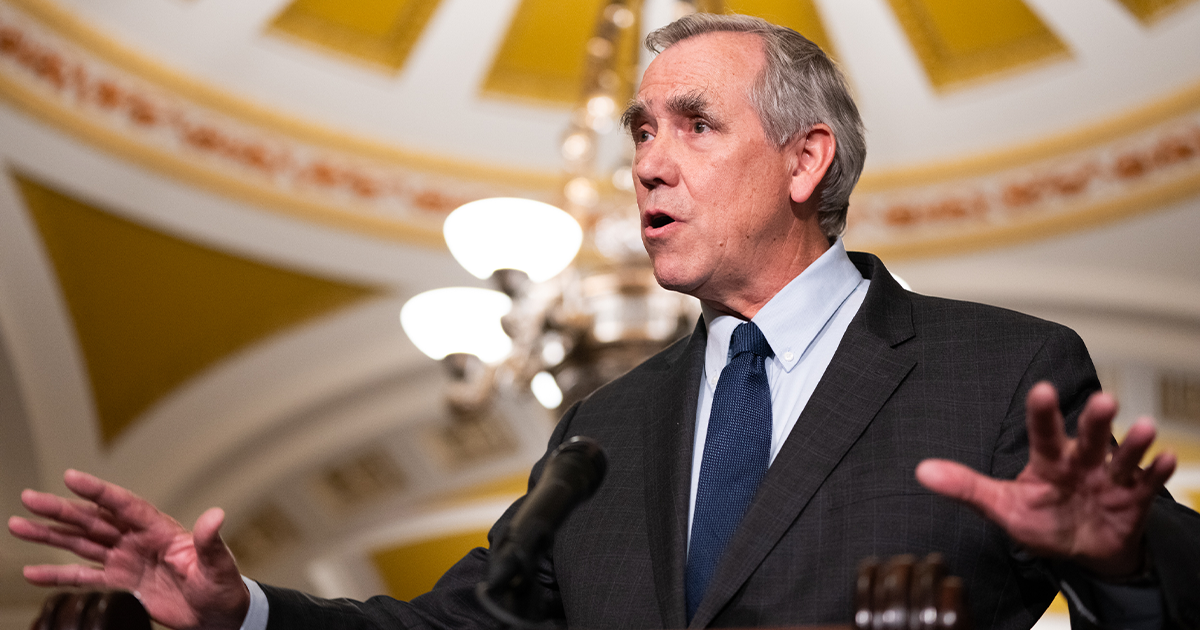
U.S. Senators Jeff Merkley of Oregon and Alex Padilla of California have spearheaded the reintroduction of the Fraudulent Artificial Intelligence Regulations (FAIR) Elections Act. This comprehensive legislation is designed to actively counter burgeoning voter suppression efforts and the perilous misuse of artificial intelligence (AI) in American elections. The bill directly confronts the dual threats of rapidly advancing AI technologies being weaponized to spread election-related misinformation and the historical attacks on voting rights, particularly those seen during the Trump Administration. A core provision of the FAIR Elections Act is the outright prohibition of false election-related AI-generated content that is intentionally crafted to suppress eligible voters or to target and harass election workers, thereby safeguarding the integrity of electoral discourse. Furthermore, the legislation explicitly restricts the federal government from deploying any tools or databases, such as the error-prone Systematic Alien Verification for Entitlements (SAVE) system from the U.S. Department of Homeland Security (DHS), that could contribute to voter suppression by leading to the erroneous removal of qualified individuals from voter rolls. To empower citizens, the act also establishes a private right of action, allowing voters who are wrongfully removed from registration lists due to federal government actions to seek legal recourse. This initiative underscores a commitment to fortifying the ballot box, which Senator Merkley describes as 'the beating heart of democracy,' against sophisticated 21st-century challenges and ensuring every eligible voter's voice can be heard without interference.
Prohibiting false AI-generated election content
This provision specifically bans the knowing distribution of any false, AI-generated content related to elections if it is intended to prevent an eligible person from exercising their right to vote. This includes disinformation about crucial details such as the time, place, or manner of a federal election, or misleading information regarding a person's eligibility to participate in an election. The aim is to prevent bad actors from using advanced AI tools to create deceptive content that could disenfranchise voters.
Amending the National Voter Registration Act
The FAIR Elections Act proposes an amendment to the National Voter Registration Act to strictly prohibit the removal of voters from the official voter rolls unless it is conclusively determined that a voter is ineligible based on adequate, thoroughly verified, and accurate voter information. This measure is intended to counter practices where voters might be purged based on questionable data, ensuring that only genuinely ineligible individuals are removed, thereby protecting valid registrations.
Protecting election officials from AI misuse
This section aims to protect election officials and workers, who are crucial to the democratic process, from harassment and targeting. It achieves this by explicitly banning the creation and dissemination of false AI-generated depictions, often referred to as deepfakes, of election officials and workers. This addresses the growing concern that AI can be used to create malicious or misleading content that could undermine public trust in election administration and endanger personnel.
Prohibiting federal government data comparison for voter eligibility
The bill introduces a crucial prohibition preventing the federal government from comparing any personal information it holds against personal data maintained by state or local governments for the purpose of determining an individual's eligibility to vote in federal elections. This provision directly addresses concerns about federal databases, such as the SAVE system, being 'riddled with errors' and not being suitable or intended for determining voter eligibility, which can lead to wrongful disenfranchisement.
Allowing voters to bring a private right of action against the federal government
To provide recourse for individuals affected by erroneous federal actions, this provision allows voters to initiate a private right of action against the federal government. This applies specifically if a voter was removed from a state's voter roll, or prevented from registering or voting, because the federal government processed their information through a federal database, including the problematic SAVE database, and this action led to an inaccurate determination of ineligibility.
Requiring a Government Accountability Office (GAO) report
The FAIR Elections Act mandates that the non-partisan, independent Government Accountability Office (GAO) conduct and publish a comprehensive report. This study will delve into the effects of the federal government's use of its databases, such as the SAVE database, to assess voter eligibility. The report will specifically investigate whether the federal government's actions are inadvertently or explicitly suppressing the right to vote by inaccurately flagging individuals as ineligible, and will evaluate the overall accuracy and implications of this process.