Quick Buzz Feed

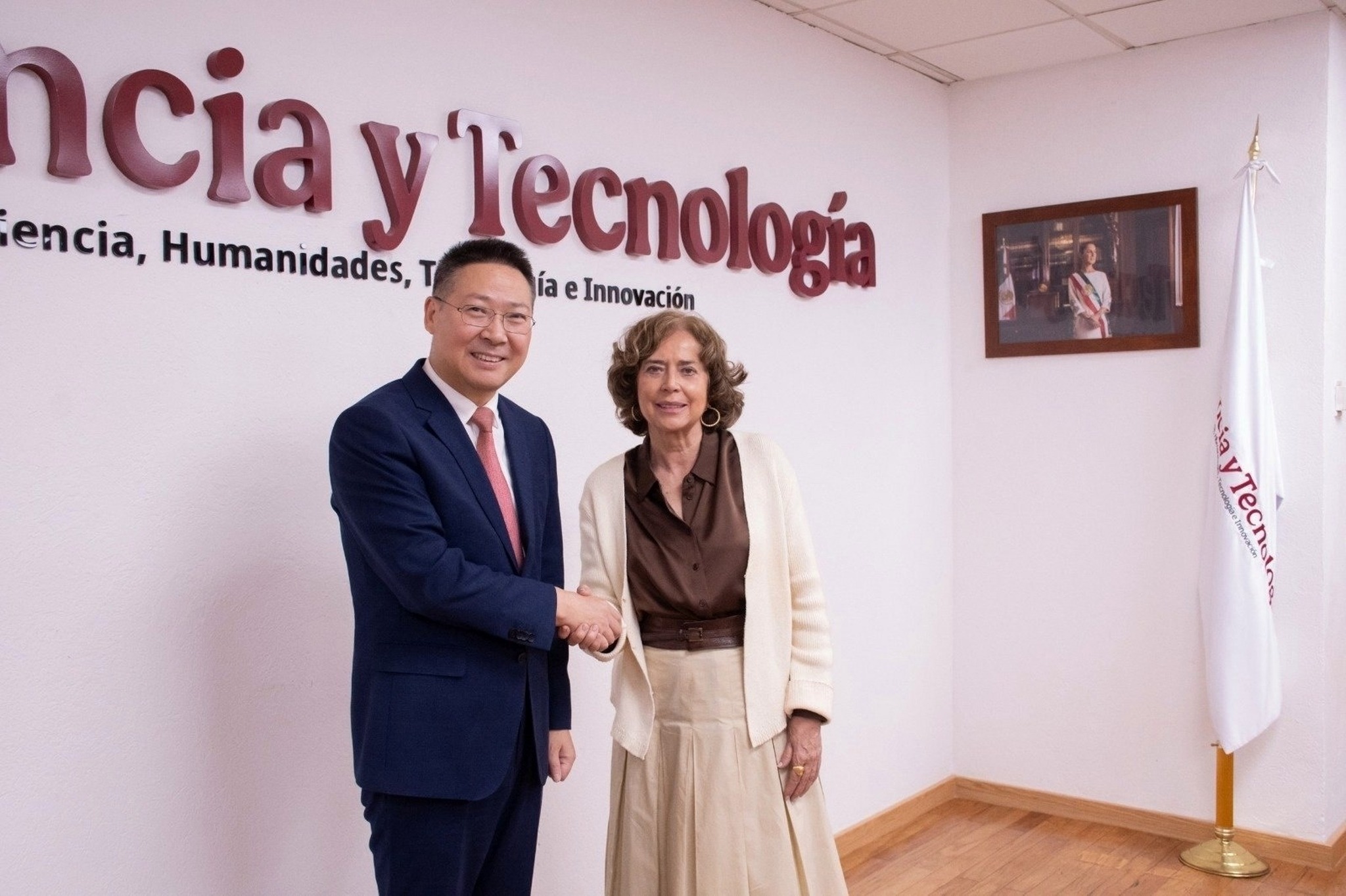
Rosaura Ruiz met with Ambassador Chen Daojiang to advance joint AI, semiconductor, and electromobility projects, plus possible collaboration with Huawei.
Rosaura Ruiz Gutiérrez, Secretary of Science, Humanities, Technology and Innovation (Secihti) in Mexico, held a crucial meeting with China’s Ambassador to Mexico, Chen Daojiang. The primary goal of this meeting was to foster and promote joint initiatives and projects focusing on advanced technological fields such as Artificial Intelligence (AI), robotics, and electromobility. This high-level interaction underscores a strategic effort to enhance the existing bilateral cooperation in scientific research, technological development, and innovation between the two nations, aiming to leverage their respective strengths for mutual benefit.
Secretary Rosaura Ruiz emphasized the significant opportunities arising from combining China's robust technological capabilities with Mexico's growing capacities. She identified several priority areas for strengthened collaboration. These include joint research endeavors, development projects in cutting-edge technologies like Artificial Intelligence, supercomputing, advanced robotics, and electromobility. Additionally, the focus extends to critical sectors such as semiconductors and energy. A key component of this strategy is the training and mobility of young scientists and experts, ensuring a pipeline of specialized talent to drive these initiatives forward.
To illustrate the existing collaborative efforts, Secretary Ruiz highlighted a successful research project involving the National Autonomous University of Mexico (UNAM) and the Institute of Plant Protection of the Chinese Academy of Agricultural Sciences. This project focuses on biological pest control using insecticidal proteins, showcasing practical scientific cooperation. Looking ahead, Mexico is actively exploring significant collaboration opportunities with Huawei, a global technology leader. These potential partnerships are envisioned to encompass strategic projects in research, technological development, and the cultivation of specialized talent, particularly in high-performance computing and advanced artificial intelligence applications, signaling a deepening engagement with Chinese tech giants.
Beyond technological projects, Rosaura Ruiz expressed a strong interest in expanding academic exchange programs. This includes increasing the mobility of students and researchers between Mexico and China, and strengthening research-stay, postdoctoral, and sabbatical programs. The objective is to foster a more interconnected and collaborative scientific community that can jointly address global challenges and advance knowledge. Ambassador Chen Daojiang reciprocated this enthusiasm, reaffirming China's commitment to reinforcing scientific and technological cooperation with Mexico. He noted the strong historical foundation of institutional collaboration between the two countries and expressed optimism about launching new projects that will drive innovation, facilitate talent exchange, and contribute to the scientific development of both nations.
The article concludes by quoting Ambassador Chen Daojiang, who remarked on the impressive trajectory of scientific and technological cooperation between Mexico and China. He stated, 'If we review the history between Mexico and China, cooperation in science and technology is experiencing spectacular progress.' This statement encapsulates the positive outlook and growing momentum in their bilateral relationship within the scientific and technological domains, suggesting a future filled with continued advancements and shared prosperity through innovation. This mutual commitment underscores the strategic importance both countries place on these collaborations for their national development and global standing.