Quick Buzz Feed

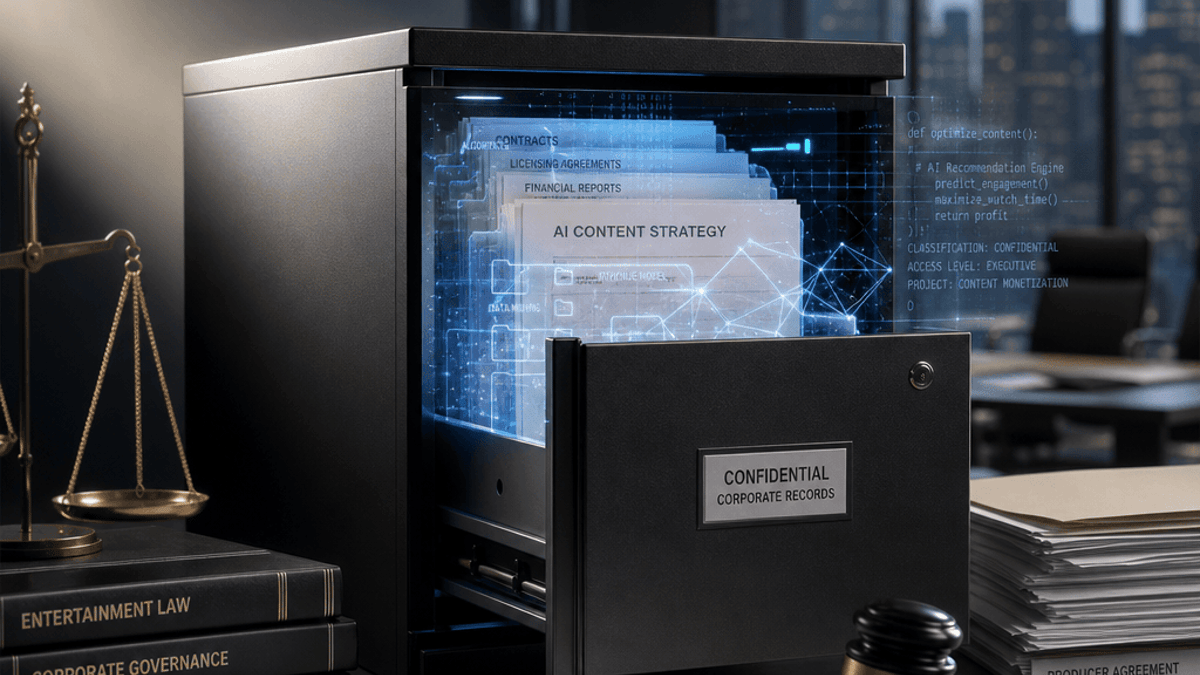
Legal filing seeks to expose Disney, Warner Bros, Universal AI usage amid copyright fight
Midjourney has initiated a significant legal move, filing court documents to compel major Hollywood studios—Disney, Warner Bros, and Universal—to disclose their internal AI tools and production practices. This action serves as a counter-narrative in an ongoing copyright dispute, aiming to reveal how these studios themselves are deeply integrating AI into their film and television workflows, from concept art to VFX, challenging their public stance on artistic integrity versus AI encroachment.
The legal filing seeks detailed documentation on the studios' AI tools, training methods, and deployment, including how they source training data. This comes despite Disney's public claims of approaching AI 'carefully.' Industry knowledge suggests Marvel has been using AI for previz since 2024, Warner Bros partnered with Runway AI, Universal tested generative tools for marketing, and Disney acquired multiple AI startups in 2025 without full disclosure. Midjourney's strategy is to expose any inconsistencies between the studios' legal allegations and their internal AI usage.
Legal experts believe this discovery battle could establish a crucial precedent, potentially requiring any company suing AI developers to undergo similar scrutiny of their own AI practices. The core argument is that accusers cannot claim harm from AI training while concealing their proprietary AI methods. This could reshape numerous pending copyright cases across the tech and entertainment sectors, forcing greater transparency on AI development and deployment.
The situation is particularly delicate for Hollywood following WGA and SAG-AFTRA negotiations, which placed limitations on AI in writing and performance but left 'gray areas' in pre-production and post-production workflows—precisely where AI tools have seen aggressive adoption. The broader tech industry, including companies like OpenAI and Stability AI, is closely watching, as Midjourney's successful push for transparency could serve as a template for defensive strategies against similar copyright challenges.