Quick Buzz Feed

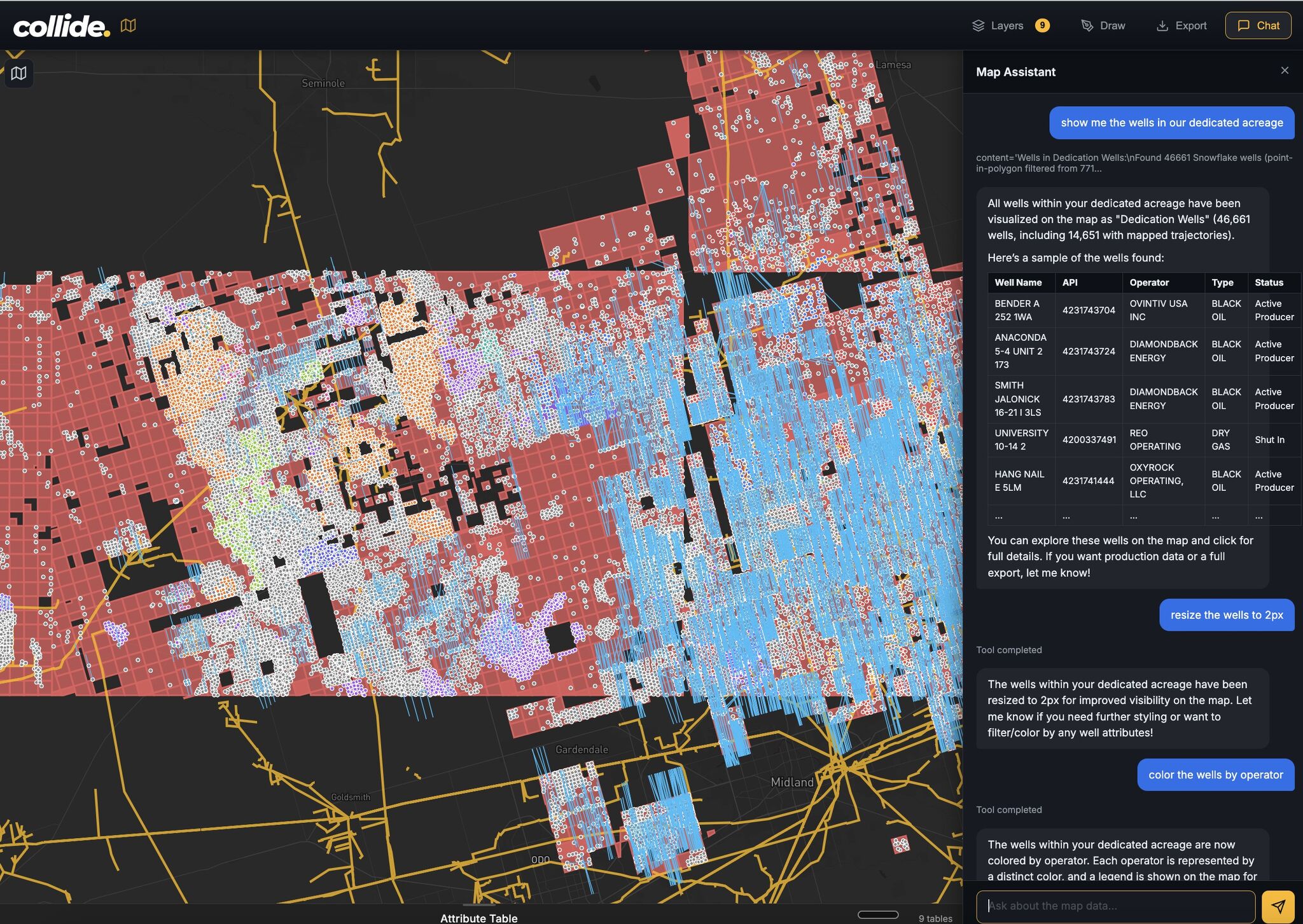
Energy companies use AI platforms to handle reporting, analyze drilling data and review lease obligations, as firms push for efficiency in upstream operations
Artificial intelligence is increasingly pivotal in the energy sector, not only for monitoring drilling rigs and measuring injection pressures and emissions but now also for automating complex regulatory reports. This technological advancement is driven by the industry's continuous push for greater efficiency and cost reduction in upstream operations, marking a significant shift from traditional manual processes and leveraging AI for enhanced operational oversight and compliance.
Collide offers an advanced AI-powered platform designed specifically for energy professionals. A prime example of its utility is the partnership with Winn Resources, where it automated the submission of monthly W-10 and G-10 forms to the Railroad Commission, drastically reducing the task from several hours to under 30 minutes. According to Todd Bush, Collide’s COO, the platform also excels at searching extensive drilling reports, helping landmen review lease contracts for compliance, and aiding operators in strategic investment decisions, such as optimizing infrastructure like gathering lines or distribution points. While 80% of the platform is standardized, the remaining 20% is highly customized to integrate seamlessly with each client's unique back-office workflows, enhancing overall efficiency and enabling staff to focus on higher-value applications.
The significant impact of Collide's AI infrastructure is clearly demonstrated by Winn Resources' experience, where the automation of regulatory filings for approximately 50 wells dramatically cut processing time and mitigated delays often caused by missing critical well test data. Another successful collaboration involved United Production Partners leveraging Collide's platform to efficiently review and manage complex regulations pertinent to saltwater disposal and gas processing and treatment. Crucially, Collide emphasizes that AI functions as a powerful support tool, not a replacement for human expertise. While the AI streamlines the bulk of the workflow, human validation remains essential to ensure accuracy and compliance, highlighting a collaborative approach between advanced technology and human intelligence.
The robust interest in AI platforms like Collide is primarily fueled by the oil and gas industry's imperative to achieve operational efficiency and strategically contain costs amidst evolving market dynamics. This strong demand has propelled Collide's rapid expansion, resulting in a growing workforce of approximately 25 employees concentrated in Houston, with additional team members strategically located in key energy hubs including Austin, Midland, and Oklahoma City. This growth signifies the increasing adoption of AI as a critical component for optimizing complex energy operations, ensuring regulatory compliance, and maintaining overall competitiveness in a challenging economic landscape.